

Free Helpline
We are here to assist you.
Health Advisor
+91-8877772277Available 7 days a week
10:00 AM – 6:00 PM to support you with urgent concerns and guide you toward the right care.

We are here to assist you.
Health Advisor
+91-8877772277Available 7 days a week
10:00 AM – 6:00 PM to support you with urgent concerns and guide you toward the right care.
Learn practical ways to prevent and find relief from screen headaches and migraine attacks triggered by prolonged digital device use, with tips tailored for Indian readers.

In today's digital age, we spend countless hours in front of screens. Whether it's for work, education, or entertainment, the glow of monitors, laptops, and smartphones has become a constant companion. While these devices offer immense benefits, they can also take a toll on our health, leading to a common ailment known as screen headaches or even triggering migraine attacks. If you frequently experience head pain after prolonged screen time, you're not alone. This guide will explore the connection between screen use and headaches, offer practical strategies for prevention, and discuss options for relief, all tailored for our Indian readers.
Screen headaches, often referred to as digital eye strain or computer vision syndrome, are a collection of eye and vision-related problems resulting from prolonged computer, tablet, e-reader, and mobile phone use. Migraine is a more complex neurological condition that can be triggered by various factors, and for many, extended screen time is a significant one.
The primary culprits behind screen-induced headaches include:
Imagine this scenario: Priya, a young professional in Mumbai, spends her weekdays attending back-to-back online meetings and working on her laptop. By the evening, she often complains of a throbbing headache behind her eyes and feels a wave of nausea, making it difficult to enjoy her time with family.
Recognizing the signs of screen headaches and migraine triggers is the first step towards finding relief. These symptoms can vary in intensity and may include:
Preventing screen headaches and reducing the frequency of migraine attacks doesn't require drastic changes. Simple adjustments to your daily routine and workspace can make a significant difference.
This is a simple yet highly effective method to combat eyestrain. Every 20 minutes, take a 20-second break to look at something at least 20 feet away. This allows your eye muscles to relax. Set reminders on your phone or computer if you tend to forget.
Monitor Placement: Position your screen about an arm's length away (approximately 20-25 inches) from your eyes. The top of the screen should be at or slightly below eye level. This reduces strain on your neck and eyes.
Lighting Matters: Ensure your room lighting is balanced with your screen brightness. Avoid sitting in a completely dark room with a bright screen, as this contrast can cause strain. Position your screen to avoid glare from windows or overhead lights. Consider using an anti-glare screen protector for your monitor.
Brightness: Adjust your screen's brightness to match the ambient light in your room. It shouldn't appear as a light source in a dark room or be so dim that you strain to see.
Text Size and Contrast: Increase the text size if you find yourself squinting to read. Ensure good contrast between text and background. Many operating systems and applications offer options to reduce blue light emission, especially during evening hours.
Beyond the 20-20-20 rule, get up and walk around every hour. Stretch your neck, shoulders, and back. These short breaks help improve circulation and reduce muscle tension that can contribute to headaches.
Keep a water bottle at your desk and sip it throughout the day. Dehydration is a common headache trigger, and it's easy to forget to drink water when you're focused on tasks.
While research on their effectiveness is ongoing, some people find that blue light-blocking glasses help reduce eye strain and headaches. They are an inexpensive option to try if other methods aren't fully effective.
While lifestyle adjustments can manage many screen-related headaches, it's important to know when to consult a doctor. If your headaches are severe, frequent, persistent, or accompanied by other concerning symptoms like fever, stiff neck, confusion, or vision changes, seek medical attention immediately.
A doctor can help determine if your headaches are indeed related to screen time or if there's an underlying condition, such as:
For chronic migraine, a doctor might discuss various treatment options. These can range from over-the-counter or prescription pain relievers to preventive medications. In some cases, treatments like Botox injections may be recommended to reduce the frequency of chronic migraine headaches.
For those looking for alternative or complementary methods, several options may help manage migraine symptoms and reduce headache frequency:
Always discuss these options with your healthcare provider to ensure they are safe and appropriate for your specific situation.
Yes, for some individuals, prolonged screen time can be a significant trigger for migraine attacks. This can be due to eyestrain, blue light exposure, or other factors associated with digital device use.
You might notice a reduction in eye fatigue and mild headaches relatively quickly, perhaps within a few days to a week of consistent practice. However, for more severe migraines, it may take longer, and other strategies might be needed in conjunction.
While all screens emit blue light and can cause eyestrain, the intensity of brightness, refresh rate, and individual sensitivity can play a role. There isn't a definitive
Overall, early action and medically verified advice remain the safest approach.
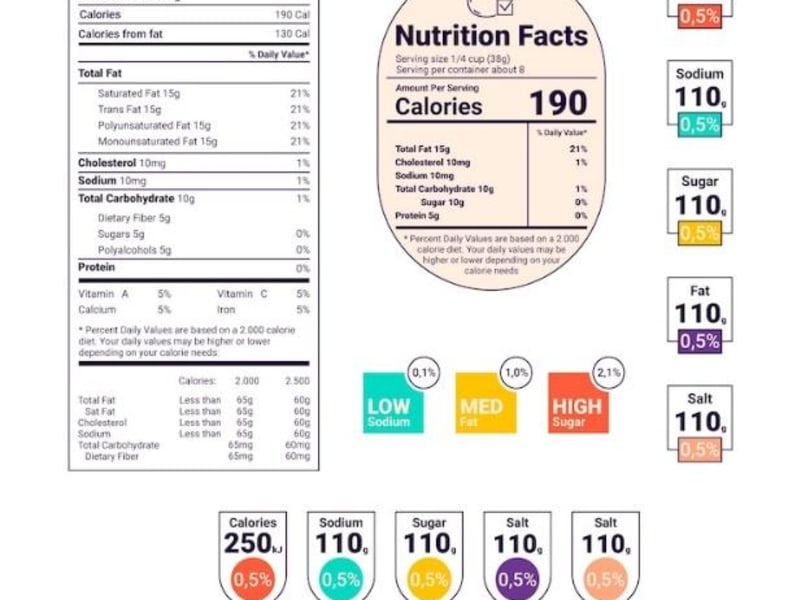
Nutrition labels are designed to inform — but food manufacturers often make them difficult to interpret. This expert guide walks through every section of a nutrition label, exposing the common tricks used to mislead consumers and showing you what to actually look for.
April 14, 2026

The carbohydrate debate is more nuanced than "eat less carbs." The quality of carbohydrates — their fibre content, processing level, and glycaemic impact — matters far more than their mere presence in your diet. Here's the science behind the distinction.
April 14, 2026

Most official protein recommendations were set to prevent deficiency — not to optimise health, muscle mass, or longevity. New research suggests the real requirements are significantly higher than the standard RDA, particularly for active adults and older populations.
April 13, 2026