

Free Helpline
We are here to assist you.
Health Advisor
+91-8877772277Available 7 days a week
10:00 AM – 6:00 PM to support you with urgent concerns and guide you toward the right care.

We are here to assist you.
Health Advisor
+91-8877772277Available 7 days a week
10:00 AM – 6:00 PM to support you with urgent concerns and guide you toward the right care.
Discover the scientifically proven benefits of saffron for your skin, including its antioxidant, anti-inflammatory, and UV-protective properties. Learn how to use this golden spice for a radiant complexion.

Saffron, that vibrant red spice known for its exquisite flavour and aroma, is more than just a culinary delight. For centuries, it has been cherished not only in kitchens but also in traditional medicine and beauty rituals across the globe. Its origin is believed to be in Greece, and it's now cultivated in many countries like Iran, Spain, and China. While traditionally used to add colour and taste to food, and as a remedy for issues like back pain and wounds, saffron is increasingly gaining attention in the cosmetics industry. Many people swear by its ability to tackle common skin concerns, including inflammation and acne. But what does science say about these claims? Let's explore the scientifically backed skin benefits of this precious spice and how you can incorporate it into your skincare routine.
The magic behind saffron's benefits lies in its potent active compounds, most notably crocin. This vibrant carotenoid is responsible for saffron's rich colour and possesses remarkable properties that can benefit your skin. Think of crocin as your skin's tiny superhero, working diligently to protect and repair it.
Our skin is constantly under assault from free radicals – unstable molecules that cause oxidative stress. This stress can damage skin cells, leading to premature aging, dullness, and a weakened skin barrier. Saffron, thanks to crocin, is packed with antioxidants. These mighty molecules neutralize free radicals, effectively shielding your skin from damage. This protective action helps maintain your skin's youthful appearance and resilience.
Sun exposure, particularly ultraviolet (UV) radiation, is a major contributor to skin aging and damage. UVA rays penetrate deep into the skin, causing premature aging, while UVB rays can lead to sunburn. Research indicates that crocin, saffron's active compound, can offer protection against these harmful rays. By mitigating the damage caused by UV radiation, saffron helps preserve your skin's integrity and youthfulness.
Inflammation is a common culprit behind many skin issues, from redness and irritation to conditions like acne and eczema. Oxidative stress often triggers inflammation. Saffron's antioxidant properties extend to its anti-inflammatory capabilities. Studies suggest that crocin can suppress the expression of inflammatory proteins in the skin. This means saffron can help soothe irritated skin, reduce redness, and calm inflammatory conditions.
Real-life scenario: Imagine you've spent a bit too long in the sun, and your skin feels hot and irritated. Applying a saffron-infused toner or a mask could help calm that redness and discomfort, thanks to its anti-inflammatory power.
When you have a cut or scrape, proper wound healing is essential to prevent infection and scarring. Saffron has shown promise in promoting the healing process. Animal studies indicate that creams containing saffron extract can improve wound healing by increasing the growth of skin cells. This cell multiplication is a vital step in closing wounds and repairing the skin barrier. Saffron’s antioxidant and anti-inflammatory properties are credited with supporting this accelerated healing.
Hyperpigmentation, characterized by patches of skin that are darker than the surrounding area, can be caused by sun exposure, acne scars, or hormonal changes. It occurs when there's an excess production of melanin, the pigment responsible for skin colour. Excitingly, research suggests that saffron's active compounds can help reduce hyperpigmentation. They work by suppressing tyrosinase, an enzyme crucial for melanin production. This means saffron may help lighten dark spots and promote a more even skin tone.
Acne is a persistent concern for many. While saffron has demonstrated antibacterial properties in some studies, these have primarily focused on foodborne bacteria, not necessarily the bacteria that cause acne. Therefore, while saffron's anti-inflammatory effects might help calm acne-related redness and swelling, its direct impact on acne-causing bacteria requires more specific research. It's best viewed as a supportive ingredient for managing acne symptoms rather than a sole cure.
Ready to harness the golden glow of saffron for your skin? Here’s a simple, DIY face mask recipe:
You'll need:
Instructions:
Frequency: You can use this mask 1-2 times a week for a radiant complexion.
Generally, saffron is considered safe for topical use when used in moderation. However, as with any new skincare ingredient, it's wise to perform a patch test before applying it all over your face, especially if you have sensitive skin. This involves applying a small amount of the mixture to an inconspicuous area (like your inner arm or behind your ear) and waiting 24 hours to check for any adverse reactions like redness, itching, or irritation.
While saffron offers promising skin benefits, it's not a substitute for professional medical advice or treatment for serious skin conditions. If you are dealing with severe acne, persistent eczema, or any other significant dermatological issue, it is always best to consult a qualified dermatologist. They can provide an accurate diagnosis and recommend the most effective treatment plan tailored to your specific needs.
Saffron, with its star compound crocin, offers a compelling range of scientifically supported benefits for the skin. From its powerful antioxidant and anti-inflammatory actions to its potential in wound healing and reducing hyperpigmentation, this golden spice is a valuable addition to your skincare arsenal. While more human studies are always welcome, the existing research paints a promising picture. Incorporating a saffron mask or saffron-infused products can contribute to healthier, more radiant skin. Remember to always patch test and consult a doctor for persistent skin concerns.
While saffron offers benefits, it's generally recommended to use DIY masks 1-2 times a week to avoid potential irritation. For commercially formulated products, follow the product's usage instructions.
Saffron oil is derived from the flower and can also offer skin benefits. The effectiveness can depend on the concentration and quality of the oil. Both forms leverage the beneficial compounds found in the saffron crocus flower.
While saffron's ability to reduce melanin might indirectly help with certain types of hyperpigmentation around the eyes, there isn't strong scientific evidence specifically proving its effectiveness for dark circles. Other factors contribute to dark circles, and a targeted approach might be needed.
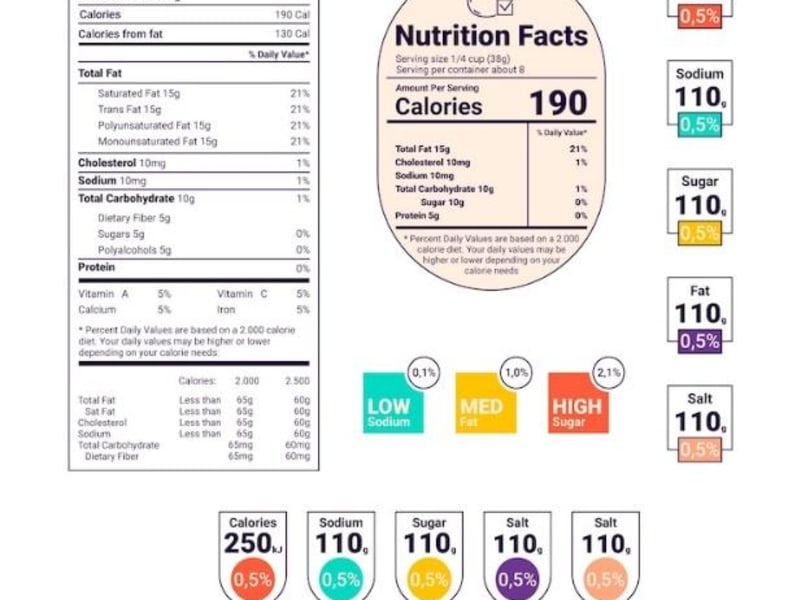
Nutrition labels are designed to inform — but food manufacturers often make them difficult to interpret. This expert guide walks through every section of a nutrition label, exposing the common tricks used to mislead consumers and showing you what to actually look for.
April 14, 2026
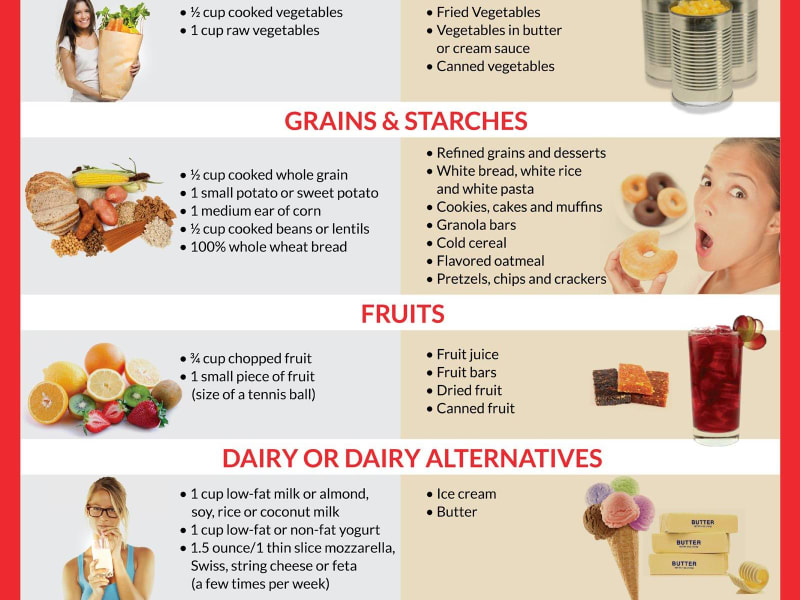
The carbohydrate debate is more nuanced than "eat less carbs." The quality of carbohydrates — their fibre content, processing level, and glycaemic impact — matters far more than their mere presence in your diet. Here's the science behind the distinction.
April 14, 2026

Most official protein recommendations were set to prevent deficiency — not to optimise health, muscle mass, or longevity. New research suggests the real requirements are significantly higher than the standard RDA, particularly for active adults and older populations.
April 13, 2026