

Free Helpline
We are here to assist you.
Health Advisor
+91-8877772277Available 7 days a week
10:00 AM – 6:00 PM to support you with urgent concerns and guide you toward the right care.

We are here to assist you.
Health Advisor
+91-8877772277Available 7 days a week
10:00 AM – 6:00 PM to support you with urgent concerns and guide you toward the right care.
Discover the science-backed benefits of saffron for your skin, from fighting sun damage and inflammation to promoting wound healing and brightening your complexion. Learn how to use this golden spice for a radiant glow.

Saffron, the world's most expensive spice, is more than just a culinary delight. This vibrant red thread, derived from the Crocus sativus flower, has been cherished for centuries not only for its unique flavour and aroma but also for its potential therapeutic properties. Originating from regions like Greece and now cultivated in countries such as Iran, Spain, and China, saffron has a rich history of use in both traditional medicine and, increasingly, in the cosmetics industry. Many beauty enthusiasts swear by saffron's ability to tackle common skin concerns like inflammation and acne, but what does science have to say about these claims? Let's explore the evidence-backed benefits of incorporating this golden spice into your skincare routine.
At the heart of saffron's benefits lies its rich composition of active compounds, most notably crocin. This potent antioxidant is responsible for saffron's vibrant colour and plays a significant role in its protective and restorative effects on the skin. Antioxidants are vital for our bodies, acting as defenders against harmful molecules called free radicals. These free radicals, often generated by environmental stressors like pollution and UV radiation, cause oxidative stress. Oxidative stress damages our cells, leading to premature aging, inflammation, and a host of other health issues. Saffron's crocin actively neutralizes these free radicals, helping to shield your skin from damage.
One of the most significant threats to our skin's health is exposure to ultraviolet (UV) radiation from the sun. Both UVA and UVB rays can wreak havoc, leading to sunburn, premature aging (think wrinkles and dark spots), and an increased risk of skin cancer. Emerging research suggests that saffron's active compounds, including crocin, offer a degree of protection against these harmful rays. Studies have indicated that crocin can act as a shield, particularly against UVB rays, which are a major contributor to sunburn and skin damage. By reducing the impact of UV radiation, saffron helps preserve your skin's youthful appearance and overall health.
Inflammation is a common underlying factor in many skin conditions, from acne and rosacea to eczema and psoriasis. It's your body's natural response to injury or irritation, but chronic inflammation can be detrimental. Saffron's anti-inflammatory properties are another key reason for its popularity in skincare. Research indicates that crocin can help to quell the inflammatory response by suppressing the activity of certain proteins that trigger inflammation. This makes saffron a promising ingredient for soothing irritated skin, reducing redness, and calming conditions like atopic dermatitis, as observed in animal studies where saffron extract improved symptoms.
When you experience a cut, scrape, or even a breakout, the body initiates a healing process. This involves cell regeneration and repair to close the wound and restore the skin barrier. Saffron has shown potential in supporting and speeding up this crucial process. Studies, including one involving mice, found that creams containing saffron extract significantly improved wound healing. This was attributed to saffron's ability to promote the growth and multiplication of skin cells. By enhancing cell turnover, saffron aids in faster recovery, potentially reducing the risk of scarring and infection.
Hyperpigmentation, characterized by patches of skin that are darker than the surrounding areas, is a common concern for many. It can result from sun exposure, acne scarring, or hormonal fluctuations. Saffron may offer a natural solution. Its active compounds have been shown to interfere with the production of melanin, the pigment responsible for skin colour. Specifically, saffron works by inhibiting tyrosinase, an enzyme essential for melanin synthesis. By regulating melanin production, saffron can help to fade dark spots and promote a more even, radiant complexion.
Acne is a persistent issue for many, often linked to bacteria and inflammation. While saffron possesses known antibacterial and anti-inflammatory properties, the direct link to treating acne in humans is still an area requiring more research. A study did find that saffron has antibacterial properties, but this was in the context of foodborne bacteria, not necessarily the specific bacteria that cause acne. However, given its proven ability to combat inflammation and potentially support skin healing, saffron might indirectly benefit acne-prone skin by reducing redness and aiding in the recovery of blemishes.
Incorporating saffron into your skincare routine can be done in a few simple ways. One popular and easy method is to create a DIY saffron face mask. Here’s a basic recipe:
Alternatively, you can find commercially available skincare products that contain saffron extract or saffron oil. When choosing these products, look for reputable brands and check the ingredient list to ensure saffron is among the primary ingredients.
Saffron oil, derived from the same Crocus sativus flower, is another form in which saffron's benefits can be harnessed for the skin. It is often used in high-end cosmetic formulations and can offer similar advantages to the spice itself, including antioxidant and anti-inflammatory effects.
While saffron is generally considered safe for topical use, it's always wise to perform a patch test before applying any new ingredient to your entire face. Apply a small amount of the mixture or product to an inconspicuous area of your skin (like behind the ear or on the inner arm) and wait 24 hours to check for any signs of irritation, redness, or allergic reaction. If you have sensitive skin or known allergies, consult with a dermatologist before trying saffron-based treatments.
Rina, a 30-year-old marketing executive, noticed her skin becoming dull and developing dark spots after a recent beach vacation. She was looking for natural ways to brighten her complexion and reduce the appearance of sun-induced pigmentation. After reading about saffron's properties, she decided to try the DIY saffron and honey mask twice a week. Within a month, she observed a noticeable improvement in her skin's radiance and a softening of her dark spots, making her feel more confident about her skin.
Saffron is a remarkable spice with scientifically supported benefits for skin health. Its potent antioxidant, anti-inflammatory, and skin-regenerating properties make it a valuable addition to any skincare regimen. Whether used in a DIY mask or found in your favourite beauty products, saffron offers a natural way to protect your skin from environmental damage, soothe irritation, promote healing, and achieve a brighter, more even complexion. While more human studies are always welcome, the existing research paints a promising picture for this golden ingredient.
Saffron is generally considered safe for most skin types when used topically. However, individuals with very sensitive skin or known allergies should perform a patch test first. If any irritation occurs, discontinue use.
A saffron and honey face mask can typically be used 1-2 times per week. Overuse could potentially lead to irritation, so moderation is key.
While saffron's anti-inflammatory and skin-regenerating properties may help improve the overall appearance of skin and potentially aid in healing, its direct effect on fading deep acne scars requires more specific research. It might help with the redness and inflammation associated with active acne.
You can purchase high-quality saffron threads from reputable spice shops, gourmet food stores, or online retailers. For skincare products, look for established cosmetic brands that list saffron extract or oil in their ingredients.
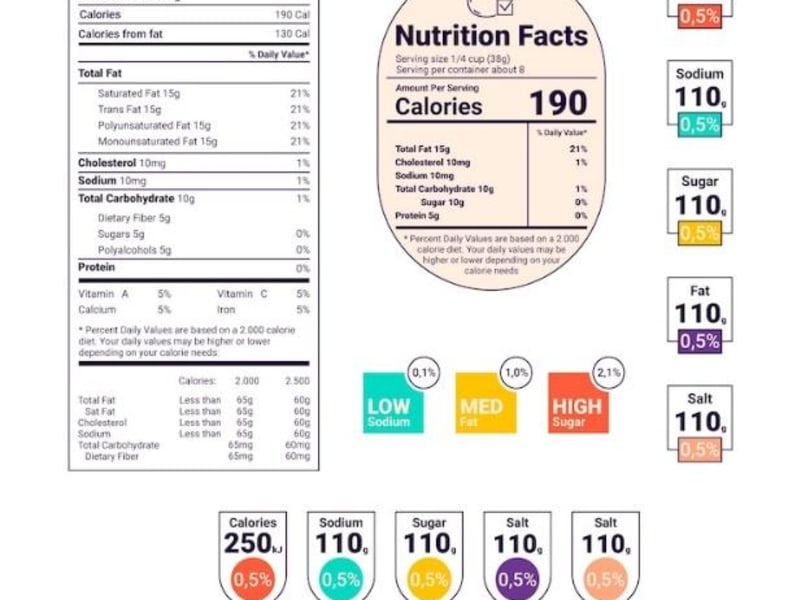
Nutrition labels are designed to inform — but food manufacturers often make them difficult to interpret. This expert guide walks through every section of a nutrition label, exposing the common tricks used to mislead consumers and showing you what to actually look for.
April 14, 2026
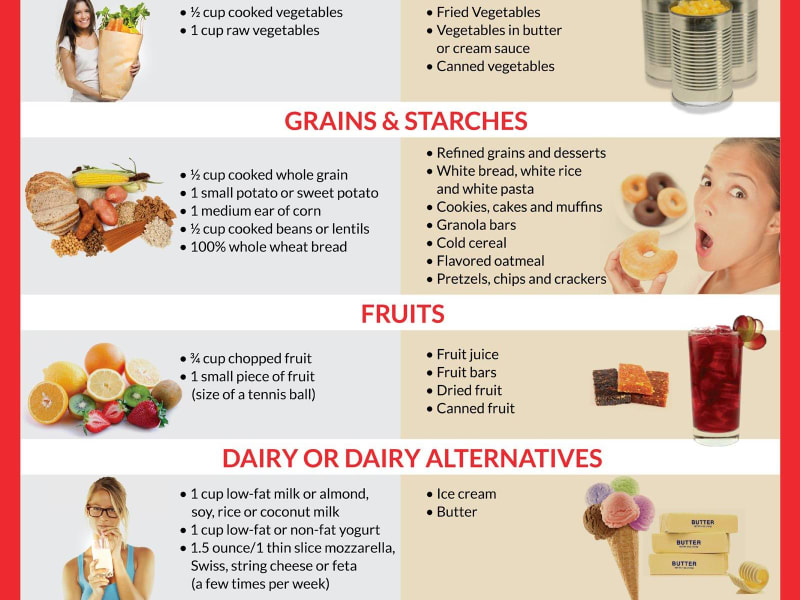
The carbohydrate debate is more nuanced than "eat less carbs." The quality of carbohydrates — their fibre content, processing level, and glycaemic impact — matters far more than their mere presence in your diet. Here's the science behind the distinction.
April 14, 2026

Most official protein recommendations were set to prevent deficiency — not to optimise health, muscle mass, or longevity. New research suggests the real requirements are significantly higher than the standard RDA, particularly for active adults and older populations.
April 13, 2026