

Free Helpline
We are here to assist you.
Health Advisor
+91-8877772277Available 7 days a week
10:00 AM – 6:00 PM to support you with urgent concerns and guide you toward the right care.

We are here to assist you.
Health Advisor
+91-8877772277Available 7 days a week
10:00 AM – 6:00 PM to support you with urgent concerns and guide you toward the right care.
Exploring reusable toilet paper: understand its pros, cons, how to make and clean it, and whether it's a practical, hygienic choice for your home. Learn about this eco-friendly alternative.

The humble toilet paper roll has been a bathroom staple for decades. But in recent times, especially following events that disrupted supply chains, some people have started looking for alternatives. One such alternative that has gained a surprising amount of attention is reusable toilet paper. Yes, you read that right – cloth toilet paper. This concept might sound unusual, even a bit unhygienic to some, but it’s based on the same principle as cloth diapers: use, clean, and reuse. Let's explore what reusable toilet paper is all about, its potential benefits and drawbacks, and whether it could be a practical addition to your household. The history of wiping after using the toilet is quite long. While paper has been used for this purpose in China since the 2nd century BC, its commercial availability in the Western world only began in 1857 with Joseph Gayetty's marketed packages. We’ve certainly managed without it for a long time, but does that make it a good idea to switch now? The idea of reusable toilet paper resurfaced as a potential solution when traditional toilet paper became difficult to purchase. It involves using cloth wipes instead of paper, then washing them for subsequent use. What Exactly is Reusable Toilet Paper? At its core, reusable toilet paper functions much like cloth diapers. Instead of disposable paper, you use pieces of cloth – these can be squares, strips, or other shapes – for wiping. Once used, these cloth wipes are collected and then washed thoroughly, ready to be used again. This practice essentially replaces the single-use nature of conventional toilet paper with a reusable system. If you're curious and have already started searching online, you might find that reusable toilet paper is also referred to by other names. Some common terms include: Cloth toilet paper Family cloth Reusable wipes Washable toilet paper Many individuals choose to create their own reusable toilet paper using old clothing, discarded sheets, towels, or blankets. Others prefer to buy pre-made versions from online marketplaces like Etsy or other retailers specializing in eco-friendly or reusable household items. Safety Concerns: The Big Question The primary concern people have with reusable toilet paper isn't necessarily the initial act of using a cloth wipe. The real question revolves around the safety of handling and cleaning these cloths repeatedly, especially within a shared household. Since the widespread adoption of modern toilet paper, there hasn't been extensive research or readily available information on the specific safety precautions or effective cleaning methods for reusable toilet paper. The main challenge lies not in the usage itself, but in the post-use handling and cleaning process. Here’s a breakdown of the typical considerations: Post-Use Storage Most users store soiled cloths in a dedicated container. This could be a small hamper lined with a waterproof bag, a pail, or a container holding a solution of vinegar, peroxide, or other antibacterial agents to help manage odors and bacteria. Handling and Washing When the container is full, the cloths need to be transferred to the washing machine. This step requires careful handling to avoid contamination. Many people use gloves during this process and ensure they remove them properly to prevent spreading germs. Thorough handwashing with soap and water immediately after loading the laundry is essential. These handling and cleaning protocols are precisely why many people remain skeptical about embracing reusable toilet paper. Ensuring a hygienic process requires diligence and attention to detail. Environmental Impact: A Closer Look While the idea of reducing paper waste is appealing, it's worth examining the environmental implications of reusable toilet paper more closely. Conventional toilet paper is largely biodegradable, and septic systems are designed to break it down effectively. The bacteria within these systems also play a role in its decomposition. However, the environmental equation for reusable toilet paper involves other factors. You need to consider the energy required to heat water for washing, the amount of water used, and the detergents or bleaching agents needed to ensure thorough sanitization. When you weigh these factors against the resources used to produce and transport traditional toilet paper, the environmental benefit isn't always as clear-cut as it might seem. Pros and Cons of Reusable Toilet Paper Like any alternative product, reusable toilet paper comes with its own set of advantages and disadvantages. Weighing these can help you determine if it aligns with your lifestyle and values. Potential Benefits: Reduced Waste: The most obvious benefit is a significant reduction in paper waste, which can be appealing for those seeking a more sustainable lifestyle. Cost Savings Over Time: While there's an initial investment in cloth wipes and potentially a dedicated laundry setup, reusable toilet paper can save money in the long run by eliminating the recurring cost of purchasing disposable rolls. Reduced Risk of Running Out: As long as you have a system for washing and drying, you're unlikely to face the frustrating situation of running out of toilet paper unexpectedly. Customization: Making your own reusable toilet paper allows you to choose the fabric, size, and even the aesthetic, tailoring it to your preferences. Potential Drawbacks: Hygiene Concerns: The most significant concern is maintaining proper hygiene. Improper washing or handling can lead to the spread of bacteria and potential health risks. Resource Consumption for Washing: Washing cloth wipes requires water, energy for heating and machine operation, and detergents. The environmental impact of this laundry process needs to be considered. Initial Cost and Effort: There's an upfront cost for purchasing or making the cloths, and a significant ongoing effort required for washing, drying, and storing them. Storage and Disposal of Soiled Wipes: Managing soiled cloths requires a dedicated system, which might be inconvenient for some households. Not Ideal for All Situations: For guests or when traveling, reusable toilet paper is impractical. You'll likely still need to keep disposable options on hand. How to Make and Clean Reusable Toilet Paper If you're considering making your own reusable toilet paper, the process is relatively straightforward. You'll need absorbent fabric. Cotton flannel, old t-shirts, or terry cloth towels are popular choices. Making Your Own: Choose Your Fabric: Select a soft, absorbent fabric. Cotton flannel is often recommended for its softness and absorbency. Cut to Size: Cut the fabric into squares. A common size is around 8 inches by 8 inches, similar to baby wipes, or a size like 4 inches by 8 inches. You can also cut strips if preferred. Prepare Edges (Optional): You can hem the edges to prevent fraying, or leave them raw if you don't mind a slightly rustic look that might fray over time. Some people serge the edges. Cleaning Your Reusable Toilet Paper: Proper cleaning is paramount to ensure safety and hygiene. The general recommendation is to wash them in hot water. Pre-soak (Optional): Some people pre-soak soiled cloths in a solution of water with a bit of vinegar or a gentle, color-safe bleach to help break down waste and reduce odors. Washing: Wash the cloths in a hot water laundry cycle. The ideal temperature is at least 160°F (71°C) for at least 25 minutes. If your washing machine has a sanitize setting, that is also effective. Use a good quality detergent. Drying: Dry the cloths thoroughly. High heat in a dryer or line drying in the sun can help kill remaining bacteria. Ensure they are completely dry before storing them for reuse. Dedicated Laundry: It's often recommended to wash reusable toilet cloths separately from other laundry to maintain hygiene. Is Reusable Toilet Paper Right for You? A Practical Scenario Imagine a family of four – two adults and two young children – who are very conscious about their environmental footprint. They've already switched to reusable shopping bags, cloth napkins, and are composting food scraps. The idea of reducing their household's paper consumption, including toilet paper, is very appealing. They decide to try reusable toilet paper, starting with making their own from old cotton t-shirts. They set up a small, lidded pail with a vinegar solution in the bathroom for used cloths. They commit to washing a full load of these cloths every other day on a hot, sanitize cycle. While it requires extra effort and careful management, they find satisfaction in knowing they are reducing their waste significantly. However, consider a single person living in a small apartment who travels frequently for work. The added chore of managing and washing soiled cloths, along with the need to maintain a separate system, might feel like too much of a burden. They might also worry about hygiene when guests visit or if they forget to do a load of laundry on time. When to Consult a Doctor While this topic isn't typically one that requires a doctor's visit, there are situations where hygiene and health are paramount. If you experience any persistent skin irritation, unusual odors that washing doesn't eliminate, or signs of infection related to using reusable cloths, it's wise to consult a healthcare professional. They can offer guidance on hygiene practices and address any health concerns. Final Thoughts Reusable toilet paper is
In summary, timely diagnosis, evidence-based treatment, and prevention-focused care improve long-term health outcomes.
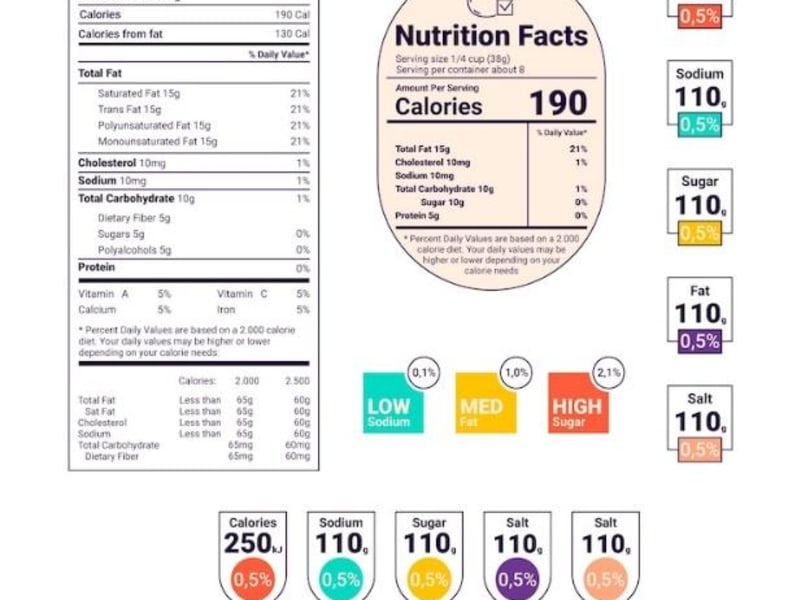
Nutrition labels are designed to inform — but food manufacturers often make them difficult to interpret. This expert guide walks through every section of a nutrition label, exposing the common tricks used to mislead consumers and showing you what to actually look for.
April 14, 2026
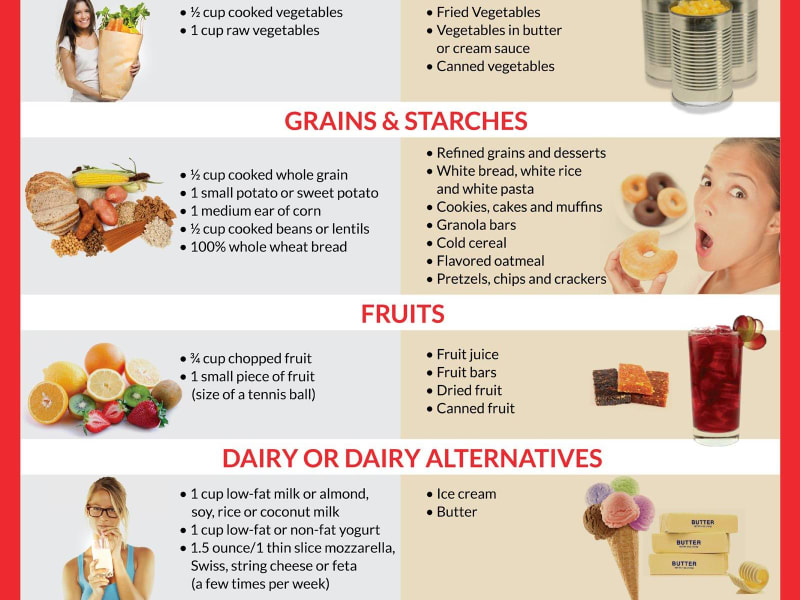
The carbohydrate debate is more nuanced than "eat less carbs." The quality of carbohydrates — their fibre content, processing level, and glycaemic impact — matters far more than their mere presence in your diet. Here's the science behind the distinction.
April 14, 2026
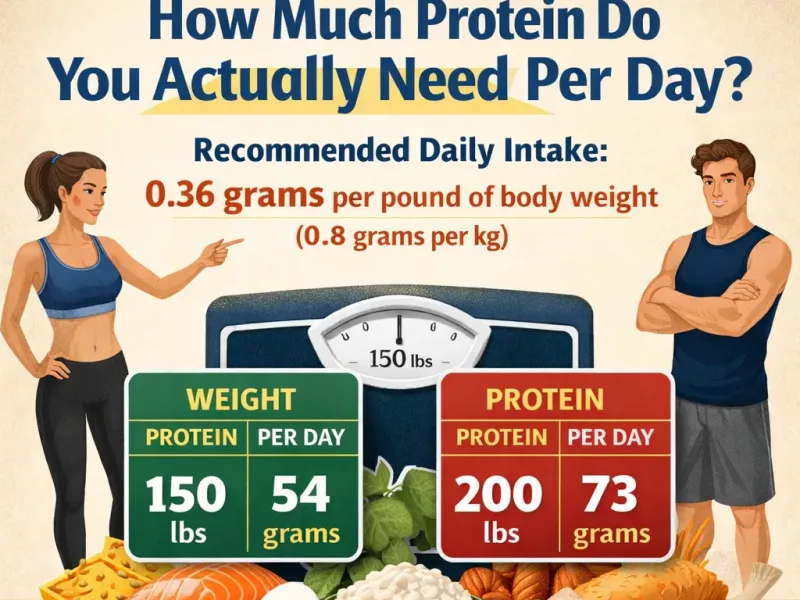
Most official protein recommendations were set to prevent deficiency — not to optimise health, muscle mass, or longevity. New research suggests the real requirements are significantly higher than the standard RDA, particularly for active adults and older populations.
April 13, 2026