

Free Helpline
We are here to assist you.
Health Advisor
+91-8877772277Available 7 days a week
10:00 AM – 6:00 PM to support you with urgent concerns and guide you toward the right care.

We are here to assist you.
Health Advisor
+91-8877772277Available 7 days a week
10:00 AM – 6:00 PM to support you with urgent concerns and guide you toward the right care.
Exploring the concept of reusable toilet paper: its pros, cons, safety considerations, and practicality for Indian households. Learn about hygiene, cleaning, and making your own cloth alternatives.

In recent times, especially following global health events, many of us have reconsidered everyday items and their impact. One such item that has sparked curiosity is reusable toilet paper. While it might sound unusual, the concept is simple: using cloth squares instead of traditional paper rolls, cleaning them, and reusing them. This practice, akin to using cloth diapers, has gained attention for its potential environmental and economic benefits. But is it practical and safe for Indian households? Let's explore.
Simply put, reusable toilet paper refers to pieces of cloth, often cut into squares, that you use for personal hygiene after using the toilet, much like you would use disposable toilet paper. After use, these cloth squares are collected, washed thoroughly, and then reused. Many people opt to make their own from old clothing, bedsheets, or towels, while others purchase them from online marketplaces. They might be referred to by various names, including cloth toilet paper, family cloth, or reusable wipes.
Paper itself has a long history, originating in China centuries ago, where it was also first used for wiping purposes. In the Western world, commercially available toilet paper emerged in the mid-19th century. For most of human history, however, people used alternatives like water, leaves, or cloth. This suggests that while disposable toilet paper is a modern convenience, humanity has certainly survived and maintained hygiene without it for millennia.
The primary drivers for considering reusable toilet paper are often:
This is the most critical question. While using cloth for personal hygiene isn't inherently unsafe, the safety of reusable toilet paper hinges entirely on proper handling and rigorous cleaning. There is limited scientific research specifically on the long-term safety and hygiene protocols for reusable toilet paper. The main concerns revolve around:
Once a cloth is used, it needs to be stored hygienically before washing. Common methods include placing soiled cloths in a dedicated, washable container. Some people use a pail lined with a waterproof bag, while others add a solution of vinegar, baking soda, or a mild antibacterial agent to the container to help prevent odour and bacterial growth. It's essential that this container is kept away from food preparation areas and is easily accessible for regular washing.
Transferring soiled cloths from the storage container to the washing machine requires care. Many suggest wearing disposable gloves or ensuring hands are washed thoroughly with soap and water immediately afterward. The washing process itself is paramount:
A Real-Life Scenario: Imagine a family of four deciding to try reusable toilet paper. They set up a small, lidded pail in their bathroom with a bit of water and disinfectant. Every evening, after dinner, one family member, wearing gloves, transfers the used cloths to the washing machine, runs a hot sanitizing cycle, and then hangs them to dry in the sun the next morning. This diligent routine is key to maintaining hygiene.
If you use a septic system, disposable toilet paper is designed to break down easily. Cloth, on the other hand, will not decompose and could potentially clog your system over time. This makes reusable toilet paper unsuitable for homes relying on septic tanks.
If you're considering making your own, it's quite straightforward:
While reusable toilet paper itself is not a medical condition, maintaining good hygiene is paramount. If you experience any persistent skin irritation, rashes, or signs of infection in the perineal area, it's essential to consult a doctor. These issues could be related to hygiene practices, fabric sensitivity, or underlying skin conditions, and prompt medical advice is necessary.
For Indian households, the decision to use reusable toilet paper involves weighing potential benefits against practical challenges. Water scarcity in many regions might make the consistent use of hot water for washing a concern. Furthermore, maintaining the rigorous cleaning standards required to ensure safety, especially in a humid climate where bacteria thrive, demands significant commitment. While it can be an environmentally friendly choice, ensure your plumbing and septic system can handle it, and be prepared for the diligent washing routine required. For many, the convenience and proven hygiene of disposable toilet paper, or using water (which is a traditional and effective method in India), might remain the preferred choices.
Improperly washed reusable toilet paper can harbour bacteria and potentially lead to infections. Strict adherence to hot water washing and sanitizing protocols is crucial to minimize this risk.
Store used cloths in a dedicated, lidded container. Some people add a disinfectant solution like diluted vinegar or baking soda to help control odour and bacteria.
It is strongly advised not to mix reusable toilet paper with your regular laundry. Wash them separately in hot water, possibly with a laundry sanitizer, to ensure thorough disinfection.
While it reduces paper waste, washing reusable toilet paper consumes water and energy. The overall environmental benefit depends on how efficiently you wash them (e.g., full loads, energy-efficient machines, line drying) compared to the resources used to produce and dispose of disposable paper.
If you have sensitive skin, opt for soft, natural fabrics like 100% cotton or bamboo. Always wash new cloths thoroughly before first use. If irritation occurs, discontinue use and consult a doctor.
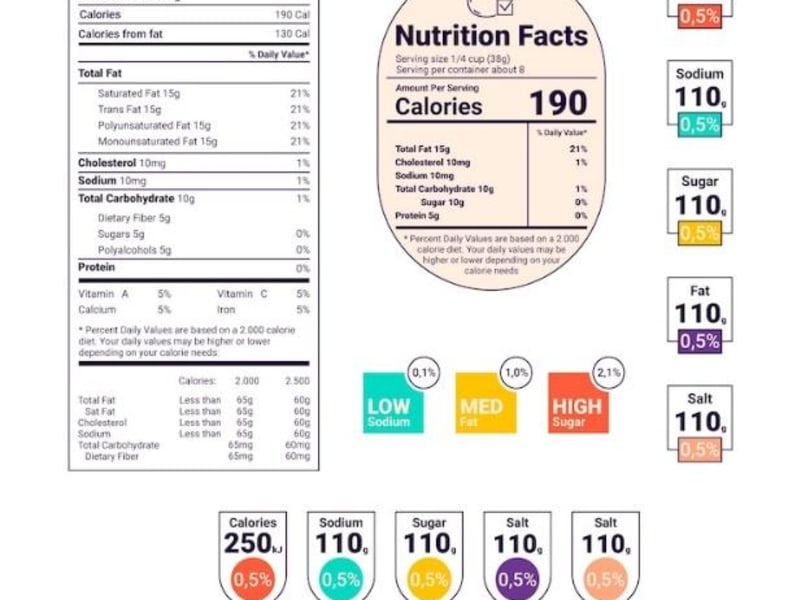
Nutrition labels are designed to inform — but food manufacturers often make them difficult to interpret. This expert guide walks through every section of a nutrition label, exposing the common tricks used to mislead consumers and showing you what to actually look for.
April 14, 2026
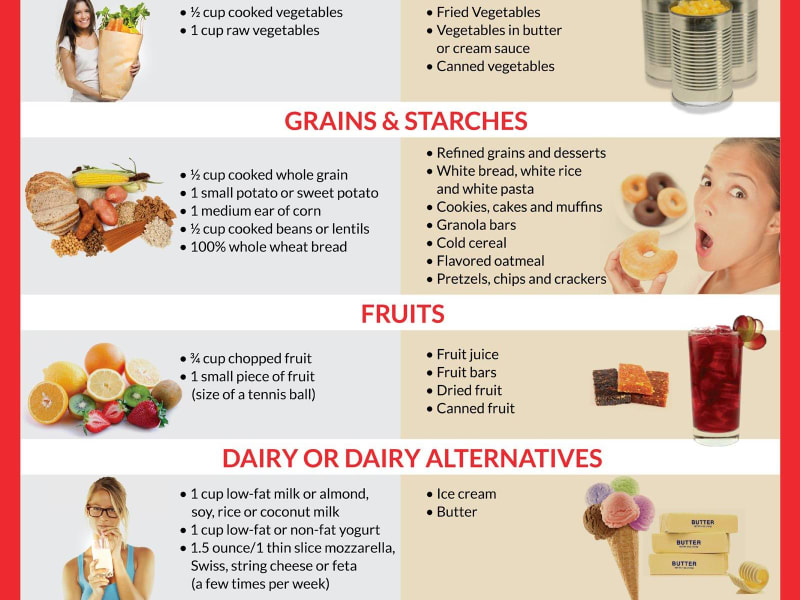
The carbohydrate debate is more nuanced than "eat less carbs." The quality of carbohydrates — their fibre content, processing level, and glycaemic impact — matters far more than their mere presence in your diet. Here's the science behind the distinction.
April 14, 2026

Most official protein recommendations were set to prevent deficiency — not to optimise health, muscle mass, or longevity. New research suggests the real requirements are significantly higher than the standard RDA, particularly for active adults and older populations.
April 13, 2026