

Free Helpline
We are here to assist you.
Health Advisor
+91-8877772277Available 7 days a week
10:00 AM – 6:00 PM to support you with urgent concerns and guide you toward the right care.

We are here to assist you.
Health Advisor
+91-8877772277Available 7 days a week
10:00 AM – 6:00 PM to support you with urgent concerns and guide you toward the right care.
Learn how to quit smoking cold turkey with practical tips and strategies for managing withdrawal, identifying triggers, and building a smoke-free life. Understand the benefits and challenges of abrupt cessation.

Deciding to quit smoking is a monumental step towards a healthier life. For many, the thought of quitting can feel overwhelming, especially when considering different approaches. One method that sparks debate is quitting "cold turkey" – meaning you stop all nicotine use abruptly. While it might sound daunting, research suggests that this abrupt approach can be more effective for some individuals in the long run.
This guide is designed to walk you through the process of quitting smoking cold turkey. We understand the challenges you face and want to provide practical, empathetic advice tailored for you, our reader in India. We'll cover what to expect, strategies to manage withdrawal, and how to build a sustainable smoke-free future. Remember, you're not alone in this journey, and support is available.
Quitting smoking can be approached in two main ways: gradually reducing your intake or stopping all at once. The "cold turkey" method involves cutting out all tobacco and nicotine products immediately. Think of it like a sudden, decisive break rather than a slow fade-out.
Why choose cold turkey? A 2021 review of over 21,500 people in England found that those who quit abruptly were more likely to remain abstinent compared to those who tried to quit gradually. Another meta-analysis in 2019 echoed these findings, suggesting that a gradual approach might lead to a loss of motivation over time. While research is ongoing and individual experiences vary, the potential for higher success rates makes cold turkey a compelling option for many.
However, it's important to acknowledge that quitting cold turkey isn't for everyone. The intensity of withdrawal symptoms can be challenging. But if you're ready for a definitive end to smoking, this method could be your path to freedom.
The good news is that your body starts healing almost immediately after your last cigarette. Within just 20 minutes, your heart rate and blood pressure begin to return to normal levels. After 12 hours, the carbon monoxide level in your blood drops to normal, allowing your body to carry oxygen more effectively. Within a few weeks, your circulation improves, and your lung function increases. These early wins can be powerful motivators!
When your body becomes dependent on nicotine, stopping abruptly can lead to withdrawal symptoms. These are temporary physical and emotional reactions. While they can be uncomfortable, they are a normal part of the quitting process and are not typically dangerous. The NCI (National Cancer Institute) notes that the most intense symptoms usually last for about a week, peaking around the third day. After that, they gradually improve over the first month. Keep in mind that everyone's experience is unique, and symptoms can fluctuate daily.
Managing these symptoms is key to staying on track. Here are some practical tips:
1. Stay Active: Physical activity is a fantastic distraction and mood booster. Schedule workouts, go for walks, or try a yoga session. Even a brisk 10-minute walk can help curb a craving.
2. Snack Smart: Keep healthy snacks readily available to keep your mouth busy and manage hunger. Think crunchy fruits like apples, raw vegetables like carrots or cucumber sticks, sugar-free gum, or a handful of unsalted nuts. Avoid sugary snacks that can lead to energy crashes.
3. Find New Routines: Break the habits associated with smoking. If you always smoked with your morning tea, try drinking coffee instead or take your tea outdoors away from your usual smoking spot. Replace the time you spent smoking with a new activity, like reading a chapter of a book or listening to a podcast.
4. Be Prepared for Discomfort: Keep over-the-counter remedies handy for symptoms like nausea or headaches. Cough drops can soothe a sore throat. Having these items readily available can prevent a minor discomfort from turning into a major setback.
5. Lean on Your Support System: Inform your friends, family, and colleagues about your decision. Their encouragement can make a significant difference. Consider joining a support group or online forum where you can connect with others who are also quitting.
Triggers are people, places, feelings, or situations that make you want to smoke. Understanding your triggers is a powerful tool in your quitting arsenal. The National Cancer Institute categorizes triggers into three main types:
These are activities or habits you associate with smoking. For example, having a cigarette with your morning coffee, after a meal, or while driving.
Strategy: Break the association. If you used to smoke while driving, try listening to music or an audiobook instead. If it was after meals, get up and clean your teeth immediately or go for a short walk. Replace the cigarette with something else, like chewing gum or a piece of fruit.
Strong emotions, both positive and negative, can spark a craving. Stress, anger, boredom, sadness, and even happiness or excitement can be triggers.
Strategy: Develop healthier coping mechanisms. Instead of reaching for a cigarette when stressed, try deep breathing exercises, meditation, or talking to a trusted friend or family member. If you feel bored, engage in a hobby or call someone. For anxiety, consider gentle yoga or mindfulness practices.
Being around others who smoke, or being in places where smoking is common, can be challenging.
Strategy: Plan ahead. If you're going to a party where people will be smoking, decide beforehand that you will not smoke. You might choose to avoid such situations initially or bring a supportive friend along. Politely declining offers to smoke is essential.
Ramesh, a 45-year-old shopkeeper in Delhi, smoked a pack a day for 20 years. He often smoked while talking to customers, during his tea breaks, and after dinner. He decided to quit cold turkey after a health scare. The first few days were tough. He felt irritable, especially when a regular customer offered him a cigarette. He also found it hard to concentrate on his accounts. Ramesh replaced his smoking breaks with short walks around the block and started chewing sugar-free gum. He also told his family about his plan, and his wife helped him by keeping healthy snacks ready.
While many people successfully quit smoking with self-help strategies, professional support can significantly increase your chances of success. Don't hesitate to reach out if you're struggling.
Your doctor can discuss various options, including Nicotine Replacement Therapy (NRT) like patches or gum, and prescription medications that can help reduce cravings and withdrawal symptoms. They can also provide personalized advice and monitor your progress.
Professional counselors or support groups offer invaluable emotional support and practical strategies. In India, many government and private organizations offer smoking cessation programs. Your doctor can often refer you to these services.
Quitting smoking cold turkey is a bold decision that can lead to profound improvements in your health and quality of life. The initial challenges are real, but they are temporary. By understanding the process, preparing for withdrawal, managing your triggers, and seeking support when needed, you can achieve a smoke-free future.
Remember the incredible benefits: improved breathing, reduced risk of heart disease and cancer, more energy, and better overall well-being. Every day you remain smoke-free is a victory. Celebrate your progress, be patient with yourself, and stay committed to your healthier life.
The most intense withdrawal symptoms usually last for about 1 week, peaking around day 3. Symptoms gradually improve over the first month, though some mild symptoms might linger longer for some individuals.
It can feel more intense in the short term due to abrupt withdrawal symptoms. However, research suggests that it may be more effective for long-term abstinence for many people because it removes nicotine completely and decisively.
Yes, but be mindful that coffee and tea can be triggers for some smokers. If they make you crave a cigarette, consider switching to decaf or herbal teas, or change the time and place you consume them.
A slip-up doesn't mean failure. Don't get discouraged. Acknowledge what happened, remind yourself why you want to quit, and get back on track immediately with your next cigarette-free moment. Learn from the slip-up to avoid it in the future.
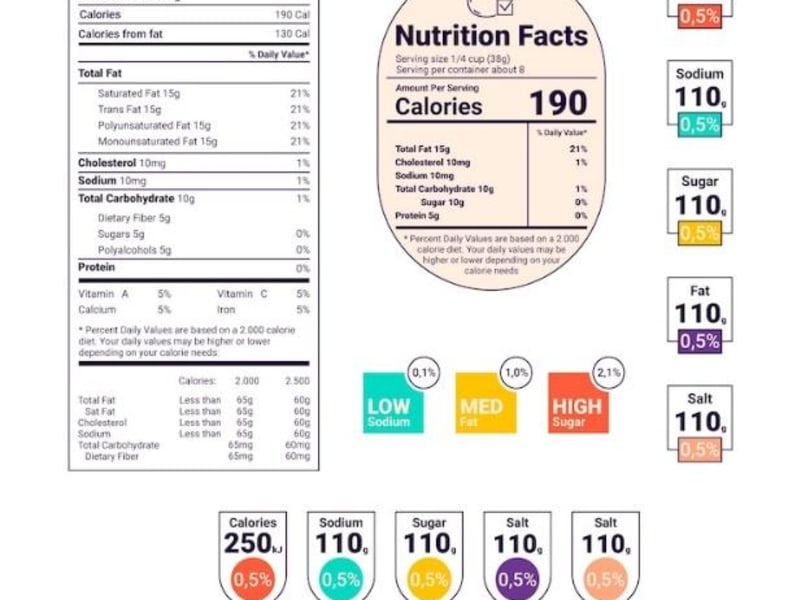
Nutrition labels are designed to inform — but food manufacturers often make them difficult to interpret. This expert guide walks through every section of a nutrition label, exposing the common tricks used to mislead consumers and showing you what to actually look for.
April 14, 2026
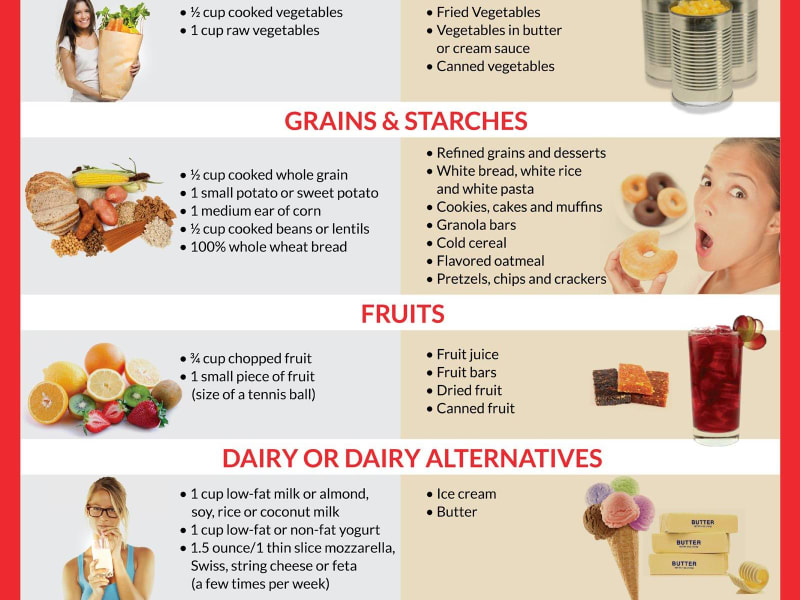
The carbohydrate debate is more nuanced than "eat less carbs." The quality of carbohydrates — their fibre content, processing level, and glycaemic impact — matters far more than their mere presence in your diet. Here's the science behind the distinction.
April 14, 2026
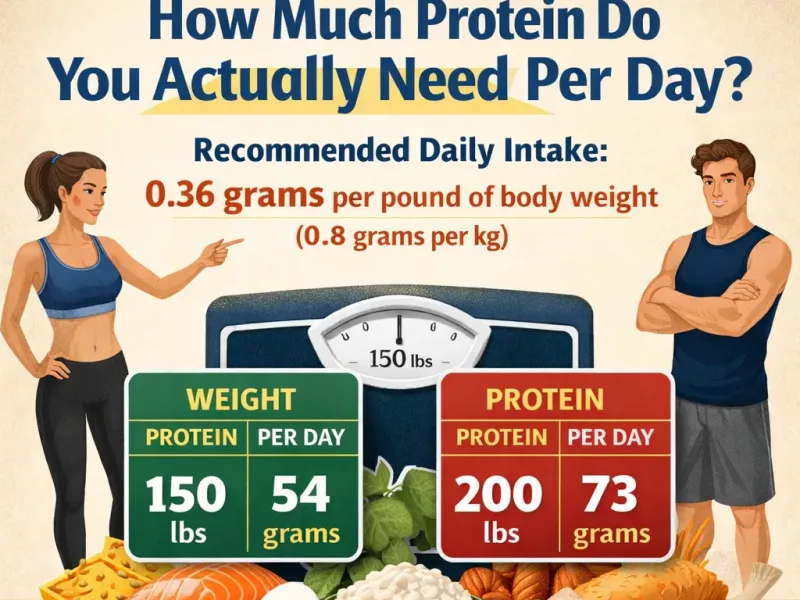
Most official protein recommendations were set to prevent deficiency — not to optimise health, muscle mass, or longevity. New research suggests the real requirements are significantly higher than the standard RDA, particularly for active adults and older populations.
April 13, 2026