

Free Helpline
We are here to assist you.
Health Advisor
+91-8877772277Available 7 days a week
10:00 AM – 6:00 PM to support you with urgent concerns and guide you toward the right care.

We are here to assist you.
Health Advisor
+91-8877772277Available 7 days a week
10:00 AM – 6:00 PM to support you with urgent concerns and guide you toward the right care.
Explore the world of blue-light-filtering glasses for kids. Learn if they're necessary, what to look for, and how they fit into a broader strategy for protecting your child's vision in the digital age.

In today's digital age, our children are spending more time than ever glued to screens. From online classes and educational apps to endless hours of gaming and streaming, the glow of these devices has become a constant companion. While technology offers incredible benefits, it also raises concerns about its impact on our little ones' precious eyes. One product that's gaining traction is blue-light-filtering glasses, specifically designed for kids. But are they really necessary? Do they actually work? Let's dive into what you need to know to make an informed decision for your child's eye health and well-being.
First things first, what exactly is blue light? It's a type of high-energy visible light that's emitted by the sun, but also by digital screens like smartphones, tablets, computers, and televisions. Our eyes are exposed to natural blue light all day long, and it plays a role in regulating our sleep-wake cycle. However, the concentrated blue light from digital devices, especially when used for prolonged periods, can be a different story.
The American Academy of Ophthalmology (AAO) has stated that blue light from digital screens doesn't cause eye damage or lead to eye diseases. This is a common misconception! So, you can put aside the worry that your child's eyesight will be permanently damaged by screen time alone. However, the AAO does acknowledge that blue light can affect our sleep patterns. It can trick our brains into thinking it's still daytime, making it harder to wind down and fall asleep. This is particularly relevant for children whose sleep cycles are still developing.
The popularity of blue-light-filtering glasses for children stems from a desire to mitigate the potential negative effects of excessive screen time. While they might not prevent eye disease, they can potentially help with:
The decision to buy blue-light-filtering glasses for your child is a personal one. However, here are some scenarios where they might be worth considering:
Navigating the market for these glasses can be overwhelming. Here are key factors to keep in mind:
While we can't recommend specific brands without a thorough, hands-on review, here are some types of glasses and features that parents often look for:
Remember, blue-light-filtering glasses are just one piece of the puzzle. They are not a magic solution. The most effective way to protect your child's eyes and promote healthy habits involves a multi-faceted approach:
This is paramount! Set clear limits on daily screen usage. Encourage your child to take frequent breaks. The 20-20-20 rule is a fantastic strategy: every 20 minutes, have your child look at something 20 feet away for at least 20 seconds. This simple exercise helps relax the eye muscles and reduce strain.
Make bedrooms a screen-free sanctuary. Ideally, keep all devices out of the bedroom at night. Aim for at least 2 hours of device-free time before bedtime. This allows the brain to naturally wind down, preparing for sleep.
Natural sunlight is beneficial for eye development. Encourage plenty of outdoor activities. This not only gives their eyes a break from screens but also provides essential vitamin D and promotes overall physical health.
When your child is using devices, ensure the room is well-lit to reduce contrast. Position screens at a comfortable distance and angle to minimize neck and eye strain.
While blue-light glasses can be a helpful tool for some, it's essential to consult a healthcare professional if you notice any persistent issues with your child's vision or sleep. Seek medical advice if you observe:
An ophthalmologist or optometrist can conduct a thorough eye examination to rule out any underlying conditions and provide personalized recommendations.
While generally safe, it's not typically recommended to wear them all day, especially if your child isn't using screens. The primary benefit is during screen use. Excessive wear without need might not offer additional benefits and could potentially affect color perception slightly.
No, there is no scientific evidence to suggest that blue-light-filtering glasses prevent or slow the progression of myopia. Myopia is primarily influenced by genetics and environmental factors like prolonged near work and lack of outdoor time.
For most children, there are no significant side effects. Some individuals might notice a slight color distortion or a mild headache initially as they adjust, but these usually resolve quickly. The main point is that they are not a substitute for good eye care habits.
For infants and very young children who have minimal to no screen time, blue-light glasses are generally unnecessary. Focus on limiting screen exposure and encouraging natural light and outdoor play for their developmental needs.
Yes, a yellow or amber tint is common in blue-light-filtering lenses. This tint indicates that the lenses are effectively blocking a portion of the blue light spectrum. The intensity of the tint can vary between brands.
In conclusion, while blue-light-filtering glasses can be a supportive tool for managing the digital habits of our children, they are not a standalone solution. Prioritizing healthy screen time habits, encouraging breaks, ensuring good lighting, and fostering outdoor activities remain the cornerstones of protecting young eyes. If you have concerns, always consult with a trusted eye care professional.
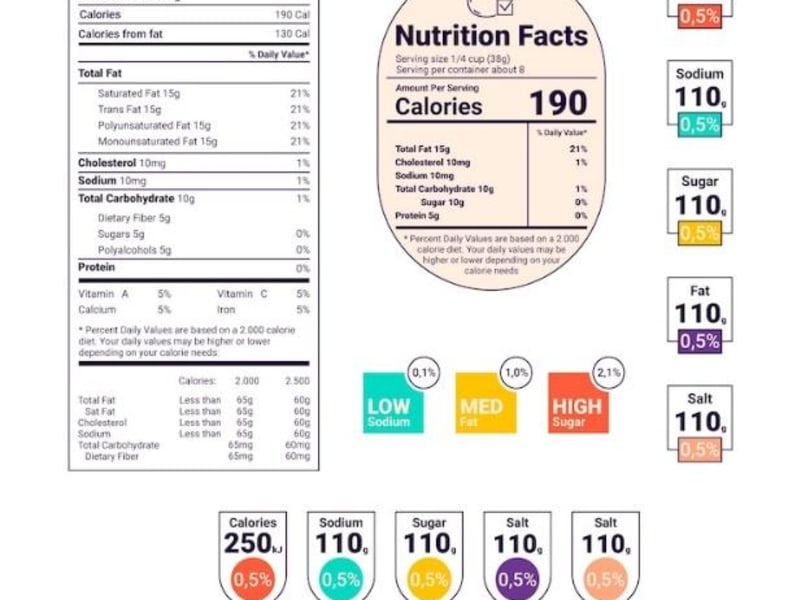
Nutrition labels are designed to inform — but food manufacturers often make them difficult to interpret. This expert guide walks through every section of a nutrition label, exposing the common tricks used to mislead consumers and showing you what to actually look for.
April 14, 2026
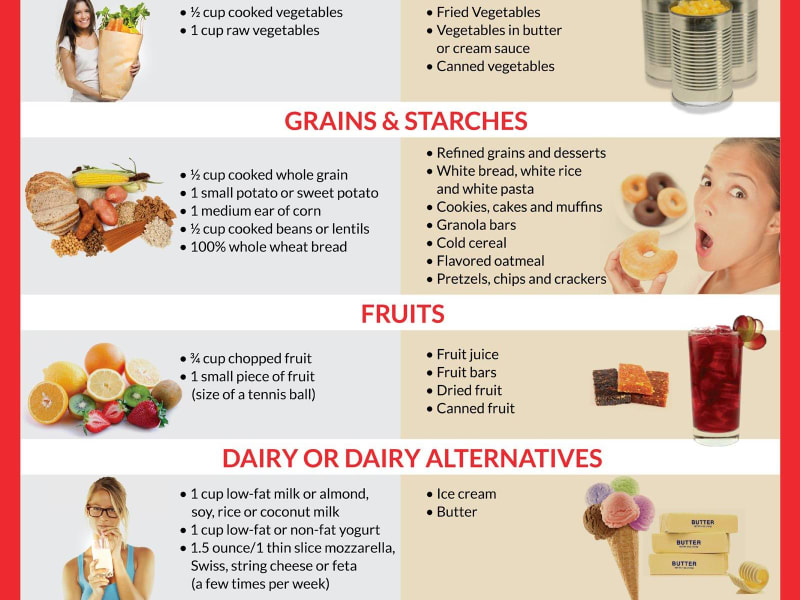
The carbohydrate debate is more nuanced than "eat less carbs." The quality of carbohydrates — their fibre content, processing level, and glycaemic impact — matters far more than their mere presence in your diet. Here's the science behind the distinction.
April 14, 2026
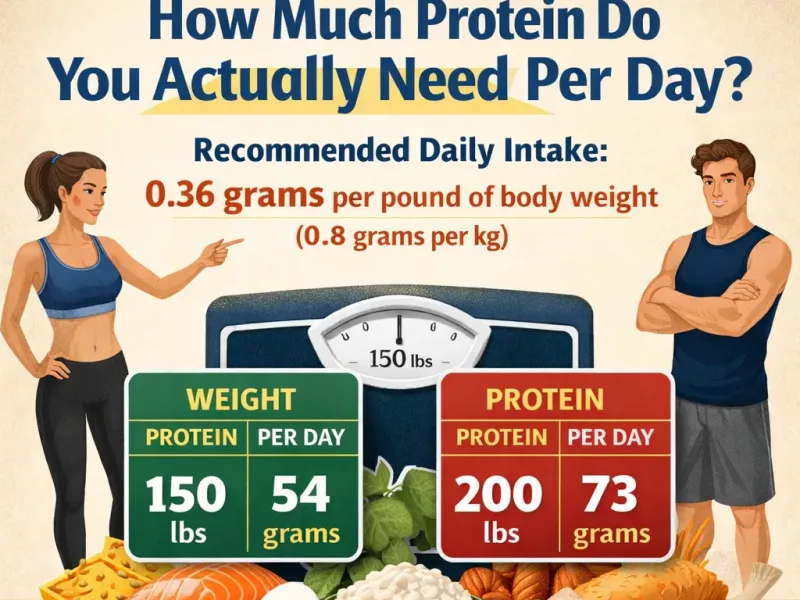
Most official protein recommendations were set to prevent deficiency — not to optimise health, muscle mass, or longevity. New research suggests the real requirements are significantly higher than the standard RDA, particularly for active adults and older populations.
April 13, 2026