

Free Helpline
We are here to assist you.
Health Advisor
+91-8877772277Available 7 days a week
10:00 AM – 6:00 PM to support you with urgent concerns and guide you toward the right care.

We are here to assist you.
Health Advisor
+91-8877772277Available 7 days a week
10:00 AM – 6:00 PM to support you with urgent concerns and guide you toward the right care.
Discover how to choose the best sunglasses for women, focusing on essential UV protection, stylish trends, and practical features to safeguard your eye health.

As the sun shines brighter, it’s easy to remember slathering on sunscreen. But are you giving your eyes the same attention? Protecting your vision is just as vital as protecting your skin. The right pair of sunglasses does more than just complete an outfit; it acts as a shield against harmful ultraviolet (UV) rays. The American Academy of Ophthalmology (AAO) and the American Cancer Society (ACS) both strongly advise wearing sunglasses that offer complete UV protection to prevent serious eye conditions. Let's explore how to pick the best sunglasses for women, ensuring both style and essential eye health.
UV radiation from the sun, specifically UVA and UVB rays, can cause significant damage to your eyes over time. This exposure is a leading risk factor for several eye conditions:
These conditions may not appear overnight, but cumulative UV exposure significantly increases your risk. Think of wearing UV-protective sunglasses as an essential part of your daily health routine, much like brushing your teeth.
When shopping for sunglasses, look for specific labels that guarantee adequate protection. The ACS recommends sunglasses that provide 99 to 100 percent UV or UV400 protection. This means they block both UVA and UVB rays. You might also see labels like:
Be cautious of sunglasses labeled “cosmetic.” These typically only block about 70 percent of UV rays, which is insufficient for proper eye protection. If a pair has no label at all, it's best to assume it offers no UV protection and avoid it.
While UV protection is paramount, several other features enhance your sunglasses' functionality and comfort:
Polarized lenses are designed to reduce glare reflected off surfaces like water, snow, roads, and car windshields. This makes them excellent for driving, boating, or simply enjoying a sunny day outdoors. By cutting down on harsh glare, they improve visual clarity and reduce eye strain. Many high-quality sunglasses come with polarized options.
Shatter-resistant polycarbonate lenses are a great choice for active individuals. These materials are significantly more impact-resistant than glass or standard plastic, meaning you're less likely to end up with cracked lenses if you drop your sunglasses or they get bumped around in your bag. This durability adds peace of mind, especially for everyday wear.
A comfortable fit ensures you'll actually wear your sunglasses. Look for:
This year, style meets substance with several trending sunglass designs:
A timeless choice, aviators with modern design updates remain incredibly popular. They offer excellent coverage and a sophisticated look. Many well-rated aviator styles are available at accessible price points, making them a fantastic option for everyday wear.
These geometric shapes are a major trend for 2024. They offer a chic, contemporary look and can provide good coverage for the eyes and surrounding skin, helping to shield against UV rays.
For a touch of glamour, oversized cat-eye sunglasses are a hit. Their dramatic shape adds flair to any outfit while offering ample protection.
Wraparound sunglasses offer superior protection by fitting closely to the face, minimizing the amount of UV light that can enter from the sides. They are ideal for sports or activities where maximum coverage is needed.
For those who prefer a minimalist aesthetic, sunglasses with transparent frames are a stylish choice. They offer a subtle yet fashionable look.
Based on UV protection, style, comfort, and durability, here are some highly recommended options:
Consider Maya, who loves her morning walks by the beach. She always wears sunscreen but rarely bothers with sunglasses, thinking they’re just a fashion accessory. One afternoon, she notices her eyes feel gritty and sensitive, especially in bright light. Her doctor later explains that prolonged, unprotected sun exposure, even on cloudy days, has likely contributed to early signs of eye irritation and increased her long-term risk for conditions like cataracts. This experience prompts Maya to invest in a pair of stylish, UV-protective sunglasses for her daily walks.
While sunglasses are a preventive measure, it’s essential to have regular eye check-ups. Consult an eye doctor (ophthalmologist or optometrist) if you experience:
Your eye doctor can perform comprehensive eye exams to detect any issues early and recommend appropriate treatments or protective measures.
No, only sunglasses that clearly state they offer 99 to 100 percent UV or UV400 protection are effective. “Cosmetic” or unlabeled sunglasses do not provide adequate safety.
Polarized sunglasses reduce glare, improving visual comfort and clarity, especially in bright conditions or around water. While they offer excellent comfort, the primary protection comes from UV blocking, which both polarized and some non-polarized lenses can provide. Always check for UV rating.
Even with durable materials, lens coatings can wear off over time, and frames can degrade. If your sunglasses are scratched, worn out, or you notice the lens quality diminishing, it’s time for a new pair, especially if they are your primary source of UV protection.
Yes. Up to 80 percent of the sun’s UV rays can penetrate cloud cover. It’s important to wear UV-protective sunglasses even when it’s not sunny to ensure continuous eye protection.
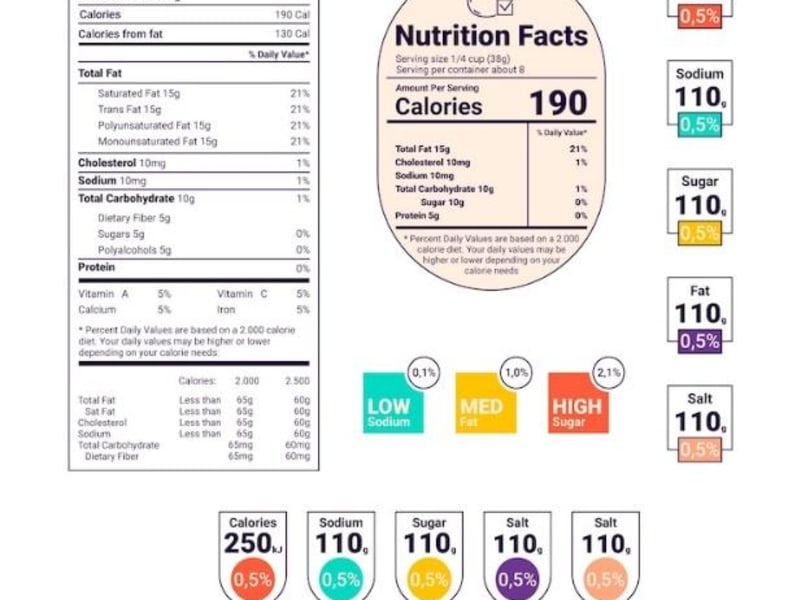
Nutrition labels are designed to inform — but food manufacturers often make them difficult to interpret. This expert guide walks through every section of a nutrition label, exposing the common tricks used to mislead consumers and showing you what to actually look for.
April 14, 2026
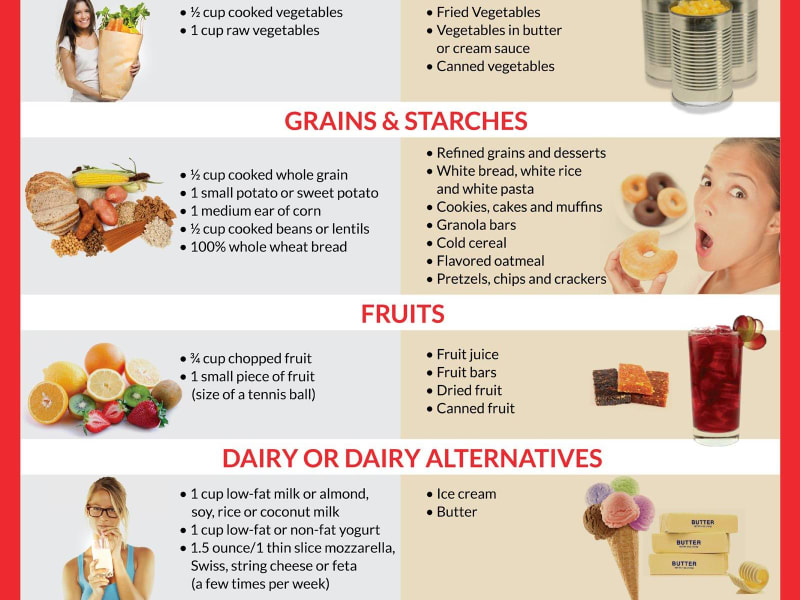
The carbohydrate debate is more nuanced than "eat less carbs." The quality of carbohydrates — their fibre content, processing level, and glycaemic impact — matters far more than their mere presence in your diet. Here's the science behind the distinction.
April 14, 2026
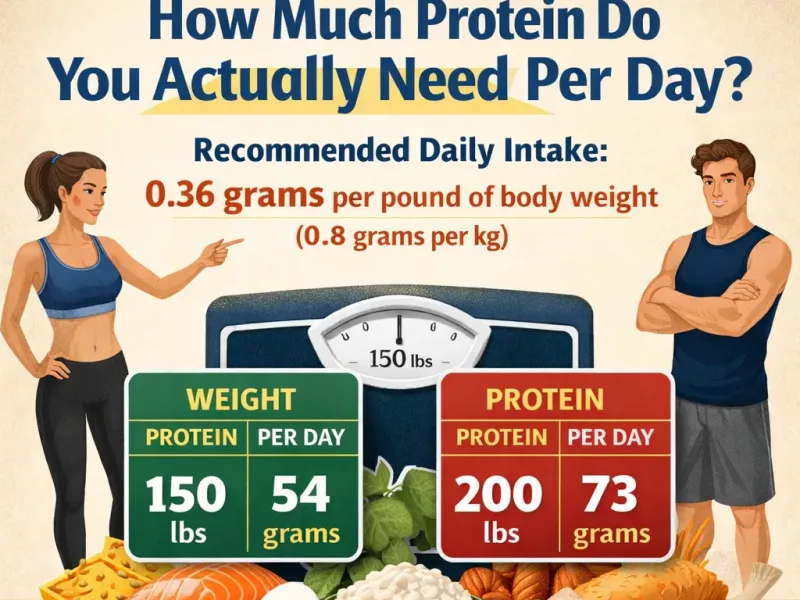
Most official protein recommendations were set to prevent deficiency — not to optimise health, muscle mass, or longevity. New research suggests the real requirements are significantly higher than the standard RDA, particularly for active adults and older populations.
April 13, 2026