

Free Helpline
We are here to assist you.
Health Advisor
+91-8877772277Available 7 days a week
10:00 AM – 6:00 PM to support you with urgent concerns and guide you toward the right care.

We are here to assist you.
Health Advisor
+91-8877772277Available 7 days a week
10:00 AM – 6:00 PM to support you with urgent concerns and guide you toward the right care.
Explore the safety of polypropylene (plastic #5) for your Indian household. Understand its uses, recycling codes, and potential health implications.

We live in a world surrounded by plastic. From the containers that hold our favourite curd and butter to the matting in our living rooms, polypropylene is everywhere. As concerned Indian consumers, we often wonder: is this ubiquitous plastic safe for our homes and our families? Let's explore what polypropylene is, where we encounter it, and what the science tells us about its safety.
Polypropylene is a type of plastic. Among the many plastics available today, it's generally considered one of the safer options. The Indian Standards (BIS) and international bodies like the US Food and Drug Administration (FDA) have approved its use for contact with food. This means you'll commonly find polypropylene used in food packaging, such as the tubs that hold your daily dose of curd, tubs of butter, or containers for jams and spreads.
Its high heat tolerance also makes it suitable for packaging foods that you might want to heat in a microwave. Beyond food, polypropylene is also used in some medical devices and implants, and its fibres are popular for making indoor and outdoor rugs.
Polypropylene is derived from petroleum. While the Environmental Protection Agency (EPA) in the US considers it a safer choice compared to some other plastics, it's not entirely without discussion. It's not known to cause cancer in humans and is less flammable than materials like wool.
You've probably seen the little triangle with a number inside on the bottom of plastic products. This is the Resin Identification Code (RIC), used for recycling. Polypropylene is identified by the number 5 within this triangle.
Here's a quick look at what the codes generally mean:
Most people do not notice early warning signs right away. That is common. A simple symptom diary, basic routine checks, and timely follow-up visits can prevent small problems from becoming serious.
If you are already on treatment, stay consistent with medicines and lifestyle advice. If your symptoms change, do not guess. Check with a qualified doctor and update your plan early.
Write down symptoms, triggers, and timing for a few days.
Carry old prescriptions and test reports to your consultation.
Ask clearly about side effects, red-flag signs, and follow-up dates.
Seek urgent care for severe pain, breathing trouble, bleeding, fainting, or sudden worsening.
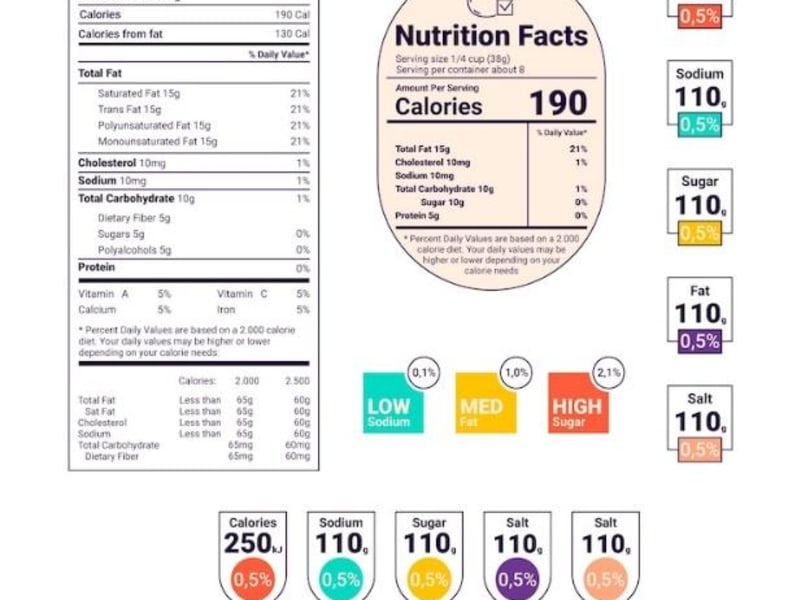
Nutrition labels are designed to inform — but food manufacturers often make them difficult to interpret. This expert guide walks through every section of a nutrition label, exposing the common tricks used to mislead consumers and showing you what to actually look for.
April 14, 2026
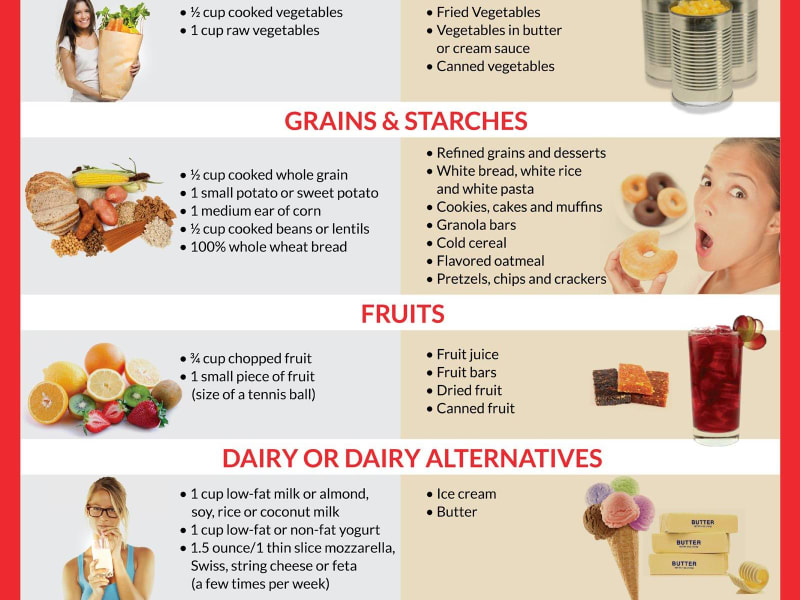
The carbohydrate debate is more nuanced than "eat less carbs." The quality of carbohydrates — their fibre content, processing level, and glycaemic impact — matters far more than their mere presence in your diet. Here's the science behind the distinction.
April 14, 2026
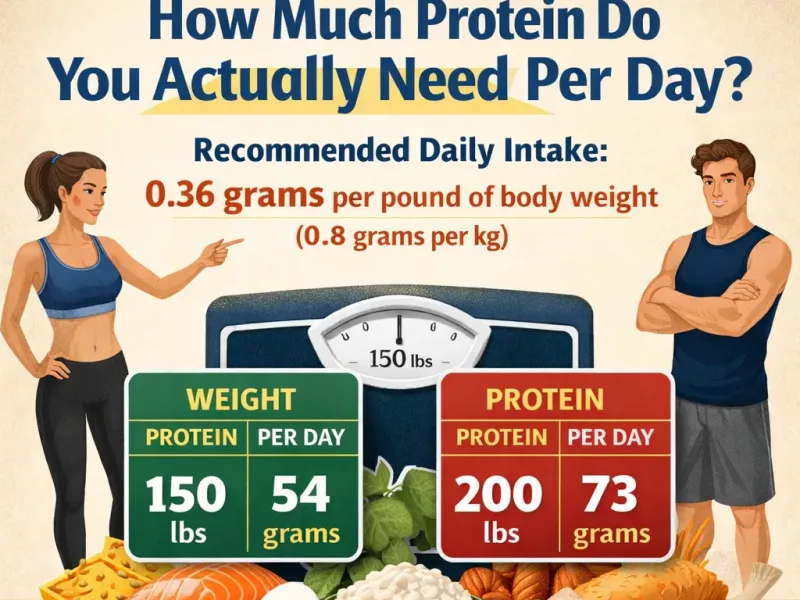
Most official protein recommendations were set to prevent deficiency — not to optimise health, muscle mass, or longevity. New research suggests the real requirements are significantly higher than the standard RDA, particularly for active adults and older populations.
April 13, 2026