

Free Helpline
We are here to assist you.
Health Advisor
+91-8877772277Available 7 days a week
10:00 AM – 6:00 PM to support you with urgent concerns and guide you toward the right care.

We are here to assist you.
Health Advisor
+91-8877772277Available 7 days a week
10:00 AM – 6:00 PM to support you with urgent concerns and guide you toward the right care.
Explore the safety of polypropylene (plastic #5) for your Indian household. Learn about its uses, potential risks, and practical tips for safe usage.

We live in a world surrounded by plastic. From the containers that hold our morning curd to the packaging of our favourite snacks, plastic is everywhere. It’s convenient, durable, and often budget-friendly. But have you ever stopped to wonder about the safety of the plastics we use every day, especially those that come into contact with our food?
One of the most common plastics you’ll encounter is polypropylene, often identified by the recycling symbol number 5. You’ll find it in yogurt cups, butter tubs, and even some microwaveable food containers. But is it truly safe for us and our families, particularly in the Indian context where food habits and cooking methods can be quite diverse?
Polypropylene is a type of thermoplastic polymer. Think of it as a versatile building block for many everyday items. It’s derived from petroleum, and its properties make it a popular choice for manufacturers. It’s known for being tough, resistant to heat, and having good chemical resistance.
In India, you’ll see polypropylene used in:
Its high heat tolerance is a significant advantage. This means it can often withstand higher temperatures compared to some other plastics, making it suitable for packaging foods that might be heated.
The big question on everyone’s mind is: Is polypropylene safe? Generally, yes. Polypropylene is considered one of the safer plastics available today. The U.S. Food and Drug Administration (FDA) has approved it for contact with food. This means that when used as intended, it’s not expected to leach harmful chemicals into your food in significant amounts.
However, like with many things, there are nuances. Some recent studies have raised questions about potential effects on hormones in certain circumstances. Researchers have observed that some polypropylene products might affect androgen hormones or cause cellular stress responses. It's important to remember that these studies are often conducted in laboratory settings and may not directly reflect real-world impact on humans under normal usage conditions.
The complexity of plastics is a key point. Each plastic product is made through a specific manufacturing process. This process, along with additives used, can influence how the plastic behaves and whether it might release any substances. So, while the base material (polypropylene) is considered safe, the final product's safety can vary.
You’ve probably seen the triangle with a number inside on the bottom of plastic items. This is the Resin Identification Code (RIC). It helps identify the type of plastic. Polypropylene is marked with a number 5.
Here’s a quick guide:
The code 5 is a good sign, indicating a generally safer plastic. However, always look for labels like “BPA-free” if you want extra assurance, especially for items used with children or for storing food that will be heated.
You might have heard about BPA. It’s a chemical found in some older types of plastics (like polycarbonate, often marked with code 7) and epoxy resins. Concerns about BPA are significant because it can mimic estrogen in the body and has been linked to various health issues, including developmental, reproductive, and neurological problems.
While polypropylene (code 5) does not typically contain BPA, understanding BPA helps us appreciate why certain plastics are preferred over others. The FDA has banned BPA in baby bottles, sippy cups, and infant formula packaging in many countries, reflecting the growing awareness and concern.
Given the information, how can you make the best choices for your family? Here are some practical tips:
Always look for the number 5 on the bottom of plastic containers. This is your first indicator of a generally safer plastic.
Even though polypropylene has good heat resistance, avoid microwaving food in plastic containers unless they are explicitly marked as microwave-safe. High, prolonged heat can potentially cause any plastic to degrade. Opt for glass or ceramic dishes for reheating food whenever possible.
If a polypropylene container is scratched, cracked, or discoloured, it’s best to replace it. Damaged plastic is more likely to leach chemicals.
Some plastics, especially those marked with code 1 (like water bottles), are designed for one-time use. Reusing them, especially after they’ve been exposed to heat or sunlight, can increase the risk of chemical leaching.
The FDA banned BPA in certain baby products in 2012. If you have very old plastic containers, especially those used for baby food or bottles, consider replacing them to be on the safe side.
For storing acidic foods, hot foods, or for baby feeding, consider using glass, stainless steel, or ceramic containers. These materials are inert and do not pose the same leaching concerns.
Look for terms like “BPA-free” and “food-grade” on packaging. This provides an extra layer of reassurance.
Imagine you’ve bought delicious mithai from your local sweet shop, packed in a plastic box. You bring it home, and your child wants to eat it immediately. The box has a number 5 symbol. You know polypropylene is generally safe, but you also know the mithai might be slightly warm. Instead of directly serving from the box, you decide to quickly transfer the mithai onto a ceramic plate. This small step ensures you’re minimizing any potential risk, even from a generally safe plastic.
While polypropylene is considered safe, here are situations where extra caution or consultation might be wise:
For most people in India, everyday use of polypropylene containers marked with the number 5, following the tips above, is perfectly safe. However, if you have persistent concerns about plastic safety, environmental toxins, or their impact on your health, it’s always best to speak with your doctor or a qualified nutritionist. They can provide personalized advice based on your health status and lifestyle.
Polypropylene (plastic #5) is a widely used and generally safe plastic for food contact. Its heat resistance and durability make it a practical choice for many Indian households. By understanding the recycling codes, following safe usage practices like avoiding overheating and checking for damage, and opting for alternatives when in doubt, you can continue to use polypropylene products with confidence. Prioritizing health involves making informed choices, and in the case of plastics, being aware is the first step.
Polypropylene has a higher heat tolerance than many other plastics, and many PP containers are labeled as microwave-safe. However, it’s always best to check the container for a “microwave-safe” symbol or label. If unsure, or if the container is old or scratched, it’s safer to transfer food to a glass or ceramic dish before microwaving.
Current scientific consensus and regulatory approvals suggest that polypropylene is not known to cause cancer in humans when used as intended. The FDA and EPA consider it a safe plastic for food contact.
BPA (Bisphenol A) is a chemical used in the production of certain plastics like polycarbonate (often marked with recycling code 7). Polypropylene (PP) is a type of plastic itself, marked with code 5, and it does not contain BPA. Concerns about BPA are related to its potential to disrupt hormones, which is why products free of BPA are often preferred.
No, not necessarily. Polypropylene (number 5) is generally considered one of the safer plastics. You only need to consider replacing containers that are old, scratched, cracked, heavily discoloured, or if they emit a strong plastic odour, especially after heating.
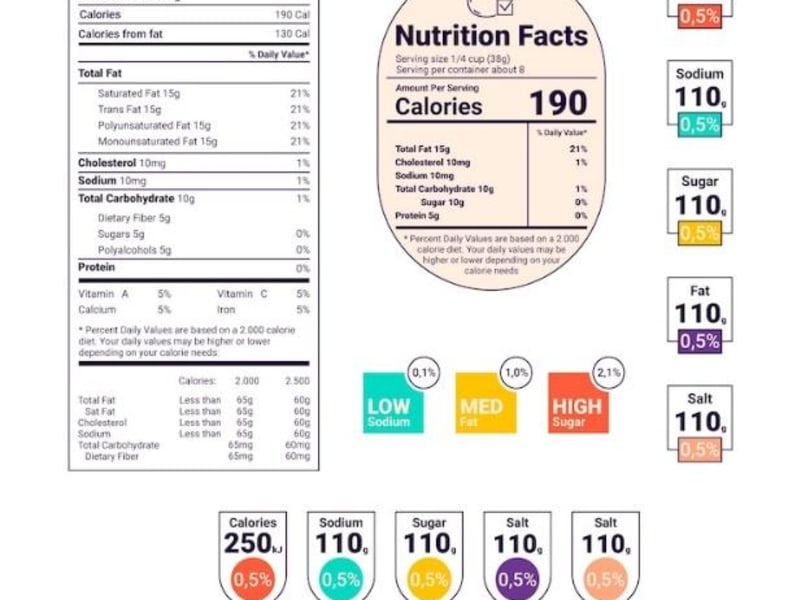
Nutrition labels are designed to inform — but food manufacturers often make them difficult to interpret. This expert guide walks through every section of a nutrition label, exposing the common tricks used to mislead consumers and showing you what to actually look for.
April 14, 2026
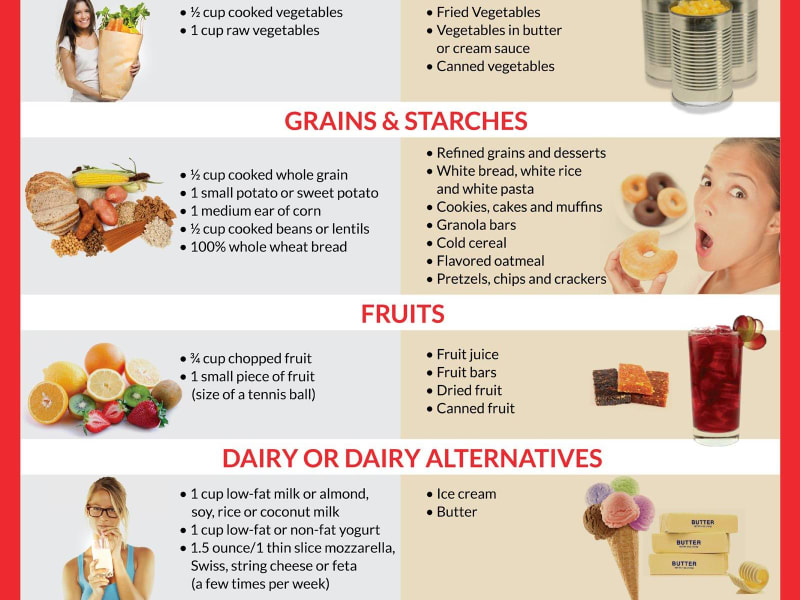
The carbohydrate debate is more nuanced than "eat less carbs." The quality of carbohydrates — their fibre content, processing level, and glycaemic impact — matters far more than their mere presence in your diet. Here's the science behind the distinction.
April 14, 2026
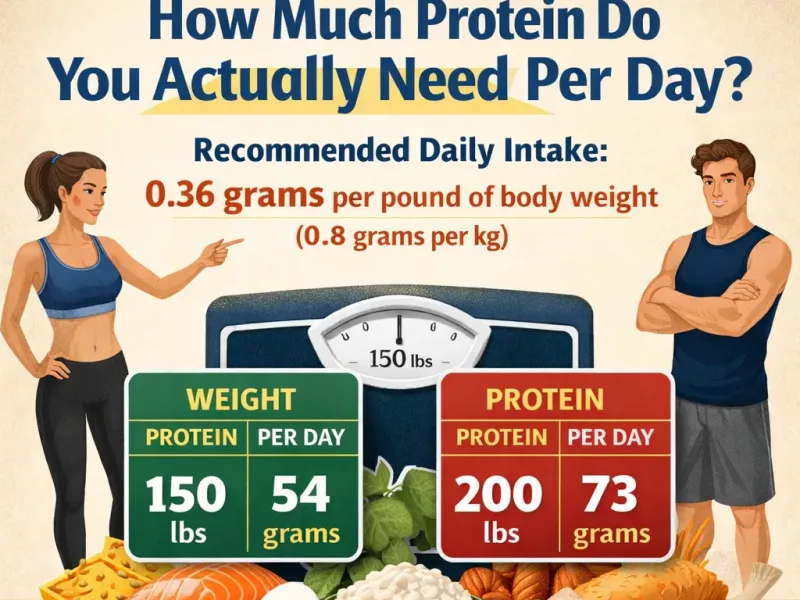
Most official protein recommendations were set to prevent deficiency — not to optimise health, muscle mass, or longevity. New research suggests the real requirements are significantly higher than the standard RDA, particularly for active adults and older populations.
April 13, 2026