

Free Helpline
We are here to assist you.
Health Advisor
+91-8877772277Available 7 days a week
10:00 AM – 6:00 PM to support you with urgent concerns and guide you toward the right care.

We are here to assist you.
Health Advisor
+91-8877772277Available 7 days a week
10:00 AM – 6:00 PM to support you with urgent concerns and guide you toward the right care.
Discover how to create and use effective coconut oil hair masks for stronger, shinier, and healthier hair. Learn DIY recipes and tips for all hair types.

In the bustling routines of Indian life, our hair often bears the brunt of pollution, heat styling, and harsh weather. We all dream of strong, lustrous hair, but achieving it can feel like a constant battle. Fortunately, nature offers a simple yet potent solution: coconut oil. For generations, coconut oil has been a staple in Indian households, not just for cooking but also for its incredible benefits for hair and skin. Today, we're focusing on one of its most effective applications – the coconut oil hair mask.
You might have heard about the myriad health benefits of coconut oil, from boosting brain function to improving cholesterol levels. Its goodness extends to our external appearance too, acting as a wonderful moisturiser and makeup remover. But its unique chemical structure makes it particularly beneficial for our hair, and a hair mask is one of the best ways to let your hair soak in all that goodness.
Think of a coconut oil hair mask as a deep conditioning treatment for your hair. Just like a facial mask revitalizes your skin, a coconut oil mask can significantly improve your hair’s condition. Here’s how it works its magic:
While most hair types can benefit from the added moisture and reduced protein loss that coconut oil provides, it's particularly wonderful for certain hair textures:
Making your own coconut oil hair mask is incredibly simple and cost-effective. Here are a few recipes to get you started:
This is the simplest and most direct way to harness the power of coconut oil.
Honey is a natural humectant, meaning it attracts and retains moisture, adding an extra boost to your conditioning treatment.
Eggs are rich in protein and fats, which can help strengthen hair and add a beautiful sheen.
Priya, a software engineer in Bangalore, noticed her hair becoming increasingly dry and frizzy due to the city's pollution and her frequent use of hair dryers. Her usual conditioner wasn't making much difference. She decided to try the basic coconut oil hair mask. After just one application, she was amazed by how soft and manageable her hair felt. She continued using it weekly and saw a significant reduction in breakage and an improvement in her hair's natural shine.
While coconut oil masks are generally safe and beneficial, it's important to remember they are primarily for cosmetic conditioning and improving hair texture. If you are experiencing significant hair loss, scalp issues like persistent dandruff, severe itching, redness, or suspect an underlying medical condition, it is essential to consult a dermatologist or trichologist. They can provide an accurate diagnosis and recommend appropriate medical treatments.
For instance, if you notice a sudden increase in hair fall accompanied by bald patches, or if your scalp is constantly itchy and flaky despite trying home remedies, seeking professional medical advice is the best course of action. Conditions like alopecia areata or severe fungal infections require specific medical intervention.
Q1: How often should I use a coconut oil hair mask?
For most people, using a coconut oil hair mask once a week is sufficient. If your hair is very dry or damaged, you might benefit from using it twice a week, but monitor how your hair responds.
Q2: Can coconut oil clog pores on my scalp?
Coconut oil is comedogenic, meaning it can potentially clog pores. If you have an oily scalp or are prone to acne, be mindful of applying the oil directly to your scalp. Focus more on the lengths and ends of your hair, or ensure you rinse thoroughly.
Q3: What if I have dandruff? Will coconut oil help?
Coconut oil has some antifungal properties that might help with mild dandruff. However, if your dandruff is persistent or severe, it's best to consult a doctor, as it could be a sign of a more significant scalp condition like seborrheic dermatitis.
Q4: Can I leave a coconut oil hair mask on overnight?
Yes, many people find leaving a coconut oil mask on overnight provides deep conditioning. Just be sure to protect your pillowcase with a towel or shower cap. Remember to wash it out thoroughly in the morning.
Q5: Does coconut oil help with hair growth?
While coconut oil nourishes the hair shaft and can prevent breakage, which helps hair appear longer and healthier, there's no direct scientific evidence that it stimulates new hair growth from the follicles. Healthy hair is less prone to breakage, allowing it to grow to its full potential.
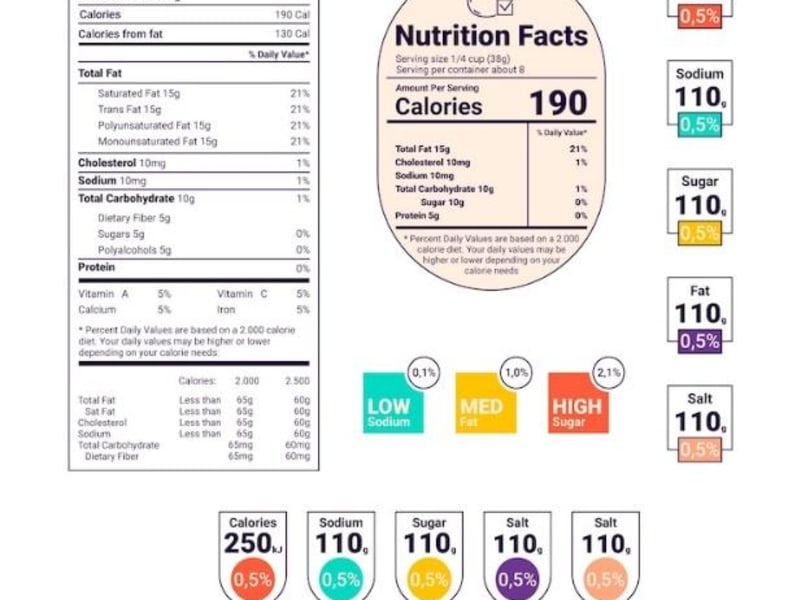
Nutrition labels are designed to inform — but food manufacturers often make them difficult to interpret. This expert guide walks through every section of a nutrition label, exposing the common tricks used to mislead consumers and showing you what to actually look for.
April 14, 2026
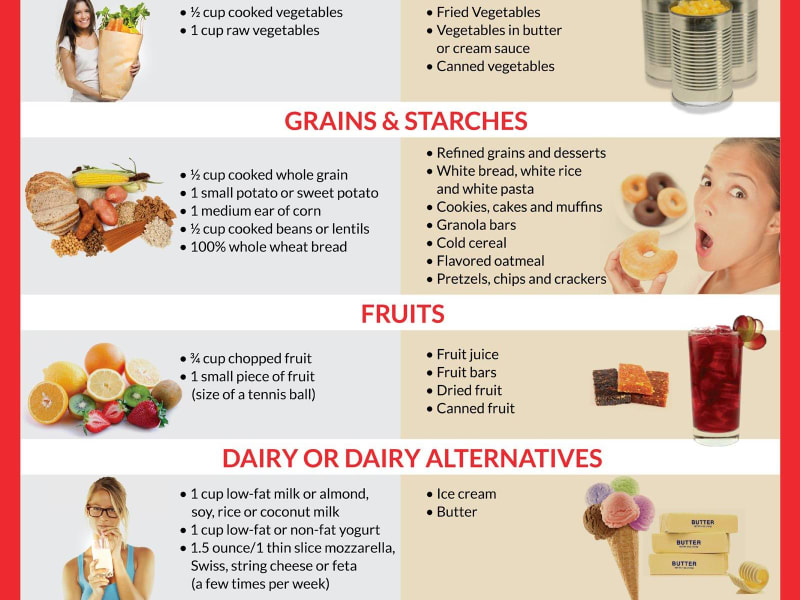
The carbohydrate debate is more nuanced than "eat less carbs." The quality of carbohydrates — their fibre content, processing level, and glycaemic impact — matters far more than their mere presence in your diet. Here's the science behind the distinction.
April 14, 2026

Most official protein recommendations were set to prevent deficiency — not to optimise health, muscle mass, or longevity. New research suggests the real requirements are significantly higher than the standard RDA, particularly for active adults and older populations.
April 13, 2026