

Free Helpline
We are here to assist you.
Health Advisor
+91-8877772277Available 7 days a week
10:00 AM – 6:00 PM to support you with urgent concerns and guide you toward the right care.

We are here to assist you.
Health Advisor
+91-8877772277Available 7 days a week
10:00 AM – 6:00 PM to support you with urgent concerns and guide you toward the right care.
Discover the benefits and practicalities of using baby wraps for hands-free parenting. Learn how to choose, tie, and use a baby wrap safely to keep your little one close while managing daily tasks.

Welcoming a new baby into your life is a beautiful, overwhelming, and utterly transformative experience. Amidst the joy and the endless cuddles, there's also the reality of everyday tasks that still need doing. For many new parents in India, juggling a newborn while trying to manage household chores, prepare meals, or simply enjoy a moment of peace can feel like an impossible feat. This is where the humble baby wrap comes in, a simple yet ingenious tool designed to keep your little one close and secure while freeing up your hands. Imagine this: It’s a typical afternoon. Your little one, perhaps just a few weeks old, is fussy and wants to be held. You’ve just finished a meal, and the dishes are still waiting in the sink. You need to prepare a bottle, but your baby’s cries make it difficult to move freely. This is a scenario many Indian parents face daily. A baby wrap can be your secret weapon. By securely tying the wrap around your body, you create a snug, comfortable pouch for your baby, allowing them to rest against your chest, feel your heartbeat, and feel secure, all while your hands are free to wash those dishes, mix that formula, or even answer a quick call. What Exactly is a Baby Wrap? A baby wrap is essentially a long piece of fabric, typically made from soft, stretchy material like cotton or a cotton blend, that you tie around yourself to create a secure, customizable pouch for your baby. Unlike more structured carriers with buckles and clasps, a wrap relies on your tying skills to create a perfect fit for both you and your baby. This adaptability makes it ideal for newborns who are too small and fragile for more rigid carriers. The fabric distributes your baby’s weight evenly across your torso and shoulders, making it comfortable for you to carry them for extended periods. Why Consider a Baby Wrap? The Benefits for Modern Indian Parents The advantages of using a baby wrap extend far beyond just having free hands. For parents in India, where family support is often abundant but individual space and time can be scarce, a wrap offers a unique solution: Enhanced Bonding: The close physical contact a wrap provides promotes skin-to-skin interaction, which is vital for a baby's emotional development and strengthens the parent-child bond. Feeling your heartbeat and your warmth can be incredibly soothing for your little one. Soothing Colic and Fussiness: Many babies find the gentle rocking motion and the feeling of being held securely in a wrap to be remarkably calming. This can be a lifesaver during those challenging fussy periods. Hands-Free Convenience: This is the most obvious benefit. Whether it’s managing household chores, attending to older siblings, or even enjoying a cup of chai without worrying about dropping it, a wrap gives you the freedom to do more. Supports Breastfeeding: Certain wrap styles allow for discreet and comfortable breastfeeding while on the go or at home, offering privacy and convenience. Portability and Compactness: Unlike bulky strollers, a baby wrap is lightweight and can be easily folded and stored in a diaper bag, making it perfect for navigating crowded markets, public transport, or visiting relatives. Ergonomic Support: When tied correctly, a wrap supports your baby’s natural ‘M’ position, which is crucial for healthy hip development. It also distributes weight across your body, reducing strain on your back and shoulders. Types of Baby Wraps: Finding Your Perfect Fit While the core concept is similar, baby wraps come in a few variations: Stretchy Wraps: These are typically made from a soft, jersey-like fabric with added spandex or elastane. They are excellent for newborns as they offer a snug, forgiving fit and are generally easier to tie for beginners. The stretchiness allows for a comfortable cuddle, but they might offer less support for heavier babies or older infants. Woven Wraps: Made from a single piece of woven fabric, these wraps are more structured and offer excellent support for babies of all ages and weights. They require a bit more practice to learn different tying techniques, but they are incredibly versatile and can be used for front, hip, and back carries. Ring Slings: While not strictly a wrap in the traditional sense, ring slings are a popular baby-wearing option. They consist of a long piece of fabric threaded through two rings, creating an adjustable pouch. They are quick to put on and take off, making them ideal for short trips or when you need to switch baby-wearing positions frequently. They are particularly good for breastfeeding and for babies who want to be frequently picked up and put down. What to Look for When Choosing a Baby Wrap in India With various options available, selecting the right baby wrap can seem daunting. Here’s what Indian parents should consider: Fabric and Breathability: Given India’s diverse climate, opt for breathable fabrics like 100% cotton or cotton blends. Lighter colours can also help reflect heat. Ensure the fabric is soft against your baby’s delicate skin. Ease of Use: If you’re a first-time parent or prefer simplicity, a stretchy wrap or a well-designed ring sling might be easier to master initially than a woven wrap. Look for wraps that come with clear instructions or video tutorials. Adjustability and Fit: The best wrap will be adjustable to fit your body shape and size comfortably. Ensure it allows for secure and snug positioning for your baby. Weight Limit: Check the manufacturer’s recommended weight limit. Most wraps are suitable for newborns up to around 15-18 kg (35 lbs), but it’s essential to know the specific limits for safety. Safety: Always prioritize safety. Ensure the wrap is made from non-toxic materials and follows safety standards. Proper tying is paramount to prevent falls or injury. Versatility: Can the wrap be used for different carrying positions (front, hip)? Can it be used for breastfeeding? These features add value. Budget: Baby wraps vary in price. Determine your budget and look for the best quality within that range. Sometimes, slightly used wraps in good condition can be a cost-effective option, but always inspect them for wear and tear. How to Tie and Use a Baby Wrap Safely Safety is non-negotiable when it comes to baby wearing. While specific tying methods vary depending on the type of wrap, here are general safety guidelines: Read the Instructions: Always follow the manufacturer’s instructions and any provided tutorials. Check for Snugness: The wrap should be snug enough to hold your baby securely against your body, but not so tight that it restricts breathing or circulation. You should be able to slide a finger between the fabric and your baby’s neck. Baby’s Airway: Ensure your baby’s face is visible and their airway is always clear. Their nose and mouth should never be covered by the fabric. Proper Positioning: Your baby should be in an upright position, with their hips supported and their knees bent, forming an ‘M’ shape. This is known as the ‘spread-squat’ or ‘frog-leg’ position, which is healthy for their developing hips. Secure Tying: Double-check all knots and ties to ensure they are secure and won’t come undone. Balance: Be mindful of your balance, especially when first learning to tie the wrap. Avoid Overheating: Dress your baby appropriately for the weather. Avoid wrapping too many layers, and ensure good airflow. Regular Checks: Periodically check on your baby to ensure they are comfortable and secure. When to Consult a Doctor or Healthcare Professional While baby wraps are generally safe and beneficial, it’s always wise to consult with your paediatrician or a certified baby-wearing educator if you have any concerns. They can offer personalized advice on the best type of carrier for your baby, demonstrate proper tying techniques, and address any specific needs or conditions your baby might have. If you notice any signs of discomfort, difficulty breathing, or unusual positioning in your baby while they are in the wrap, remove them immediately and seek professional advice. Frequently Asked Questions (FAQ) Q1: Can I use a baby wrap for my newborn? Yes, absolutely! Stretchy wraps are particularly well-suited for newborns due to their snug and forgiving nature. Ensure the wrap is tied tightly enough to support their head and neck. Q2: How long can I use a baby wrap? Most baby wraps are designed for use from birth up to about 15-18 kg (35 lbs). However, as your baby grows heavier and more mobile, you might find that a more structured carrier provides better support for longer outings. Q3: Is it safe for my baby to sleep in a wrap? It is generally not recommended for babies to sleep for extended periods in a wrap, especially unsupervised. While they may fall asleep, you should monitor them closely and ensure their airway is clear. It’s best to transition a sleeping baby to a safe sleeping surface like a crib or bassinet. Q4: How do I clean my baby wrap? Most baby wraps are machine washable. Always check the manufacturer’s care label for specific instructions.
In summary, timely diagnosis, evidence-based treatment, and prevention-focused care improve long-term health outcomes.
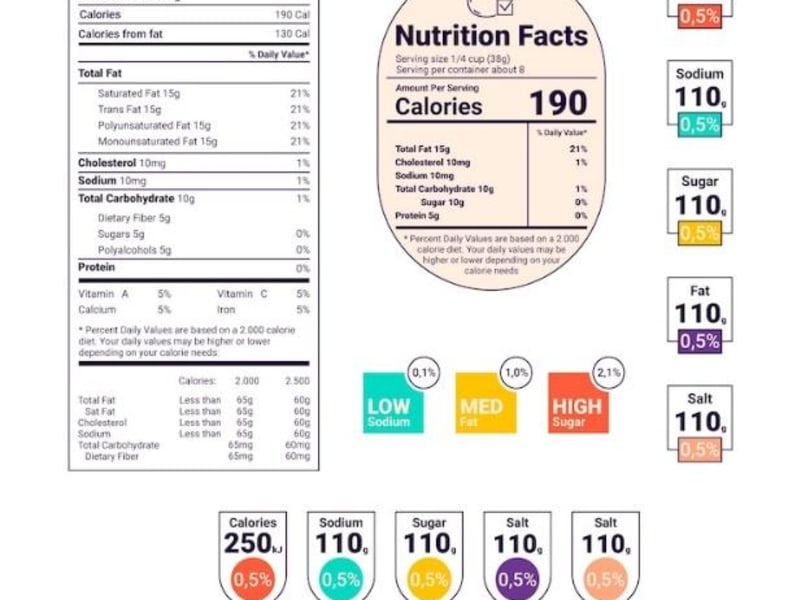
Nutrition labels are designed to inform — but food manufacturers often make them difficult to interpret. This expert guide walks through every section of a nutrition label, exposing the common tricks used to mislead consumers and showing you what to actually look for.
April 14, 2026
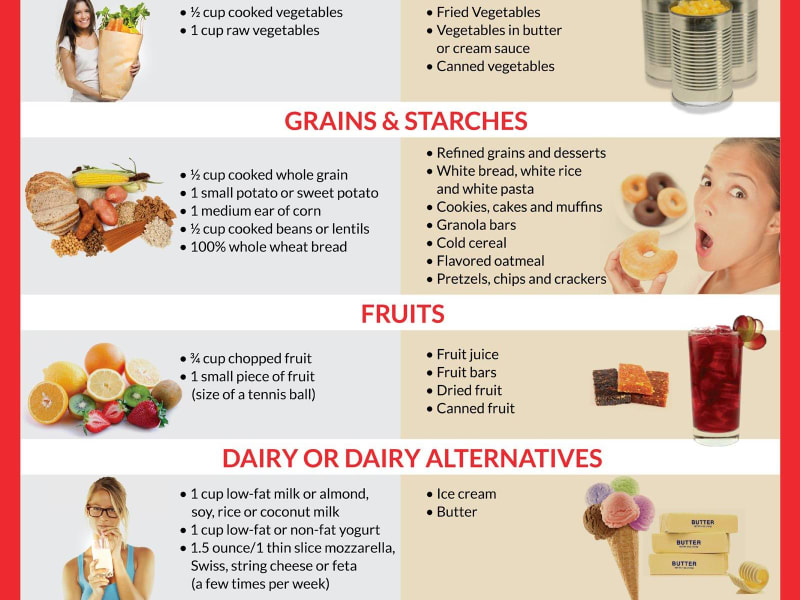
The carbohydrate debate is more nuanced than "eat less carbs." The quality of carbohydrates — their fibre content, processing level, and glycaemic impact — matters far more than their mere presence in your diet. Here's the science behind the distinction.
April 14, 2026
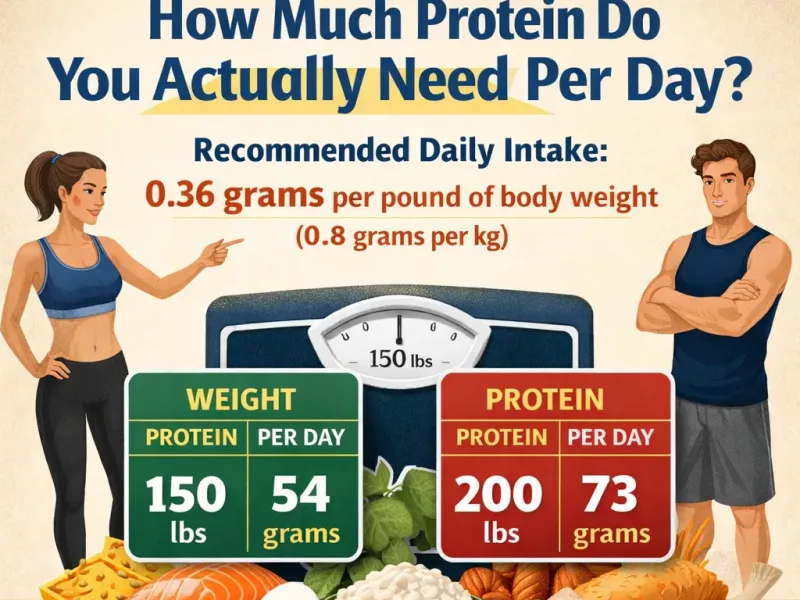
Most official protein recommendations were set to prevent deficiency — not to optimise health, muscle mass, or longevity. New research suggests the real requirements are significantly higher than the standard RDA, particularly for active adults and older populations.
April 13, 2026