

Free Helpline
We are here to assist you.
Health Advisor
+91-8877772277Available 7 days a week
10:00 AM – 6:00 PM to support you with urgent concerns and guide you toward the right care.

We are here to assist you.
Health Advisor
+91-8877772277Available 7 days a week
10:00 AM – 6:00 PM to support you with urgent concerns and guide you toward the right care.
Discover Monoi oil, a traditional Polynesian beauty secret made from coconut oil and Tiaré flowers. Learn its benefits for skin and hair, how to use it, and safety precautions.

In the heart of French Polynesia, a secret has been cherished for centuries: Monoi oil. This fragrant, golden elixir, born from the simple yet potent combination of pure coconut oil and the delicate Tiaré flower, is more than just a beauty product. It's a time-honored tradition, a source of natural healing, and a pathway to luminous skin and vibrant hair. If you're seeking a natural way to enhance your beauty regimen, Monoi oil might just be the treasure you've been looking for.
Monoi oil, pronounced 'moh-noy,' is a traditional Polynesian infusion. Imagine the purest coconut oil, known for its incredible moisturizing properties, gently infused with the petals of the Tiaré flower (also known as the Tahitian gardenia). The result is a beautiful, aromatic oil that carries the essence of the islands. This process isn't new; Polynesians have used Monoi oil for generations to anoint newborns, purify sacred objects, and, of course, to nurture their skin and hair.
The French government even has a special designation for it, an 'appellation d'origine,' which means only oil made in French Polynesia, following specific traditional methods, can be legally called Monoi oil. This highlights its cultural significance and the high standards associated with its production.
Monoi oil is primarily made of coconut oil, which is packed with beneficial fatty acids. Coconut oil has a unique structure that allows it to penetrate the hair shaft more effectively than many other oils, as noted in a 2003 study. This deep penetration helps to restore moisture and nutrients from within.
Furthermore, the fatty acids in coconut oil possess natural antimicrobial properties. This means Monoi oil can offer a protective barrier against certain fungi and bacteria that can lead to common skin infections. Think of it as a gentle, natural shield for your skin.
Deep Hydration: Like its base, coconut oil, Monoi oil is exceptionally moisturizing. It works to replenish lost moisture, leaving your skin feeling soft, supple, and smooth. This is especially beneficial for dry or rough patches.
Soothing Irritation: If you suffer from common skin conditions like eczema or contact dermatitis, Monoi oil's anti-inflammatory properties can help calm redness and irritation. It acts as a gentle emollient, providing relief without harsh chemicals.
Natural Protection: The antimicrobial qualities of the fatty acids in Monoi oil can help ward off bacteria, reducing the risk of skin infections and promoting overall skin health. It supports the skin's natural defenses.
Noncomedogenic and Hypoallergenic: For those worried about breakouts, Monoi oil is generally considered noncomedogenic, meaning it's less likely to clog pores. It's also often hypoallergenic, making it suitable for many people, even those with sensitive skin. However, a patch test is always recommended.
Aromatic Experience: Beyond its physical benefits, the delicate, exotic fragrance of the Tiaré flower transforms your skincare routine into a spa-like experience, uplifting your senses.
Monoi oil is a true gift for your hair, addressing common concerns from dryness to damage.
Moisture Restoration: The ability of coconut oil to penetrate the hair shaft means Monoi oil can effectively restore moisture, combating dryness and brittleness. This makes hair feel softer and more manageable.
Reduced Protein Loss: Studies show coconut oil helps reduce protein loss in hair, both damaged and undamaged. Using Monoi oil can help strengthen your hair, making it less prone to breakage and split ends.
Scalp Health: A healthy scalp is the foundation for healthy hair. Monoi oil can help nourish your scalp, potentially alleviating dryness and irritation. A well-moisturized scalp can also encourage better hair growth.
Shine and Manageability: By restoring moisture and smoothing the hair cuticle, Monoi oil can enhance your hair's natural shine and make it easier to detangle and style.
While Monoi oil is generally safe and beneficial, it's important to use it mindfully. Unlike pure coconut oil, Monoi oil is fragranced by the Tiaré flower. This natural perfume, while lovely, can sometimes cause irritation or allergic reactions in very sensitive individuals.
Patch Test is Key: Before diving in, always perform a patch test. Apply a small amount of Monoi oil to a discreet area of skin (like your inner forearm) and wait 24 hours to check for any redness, itching, or irritation. Similarly, test on a small section of hair or scalp.
Consult a Professional: If you have known allergies to coconuts or coconut oil, or if you have particularly sensitive skin or scalp conditions, it's wise to consult your doctor or a dermatologist before incorporating Monoi oil into your routine. They can offer personalized advice.
Listen to Your Body: If you experience any adverse reactions after using Monoi oil, discontinue use immediately. Natural doesn't always mean universally compatible!
Limited Research: It's worth noting that while the benefits of its base, coconut oil, are well-studied, there's still limited specific scientific research on Monoi oil itself. Many of its benefits are extrapolated from coconut oil and traditional use. Always manage expectations and prioritize safety.
While Monoi oil can be a wonderful addition to your natural beauty care, it's not a substitute for medical treatment. You should consult a doctor or dermatologist in the following situations:
Monoi oil offers a beautiful, natural way to care for your skin and hair, drawing on centuries of tradition and the inherent goodness of coconut oil and fragrant flowers. Its hydrating, protective, and nourishing properties make it a versatile addition to any beauty routine. By understanding how to use it safely and effectively, you can unlock the radiant, healthy glow that the people of French Polynesia have enjoyed for generations. Remember to always listen to your body and consult a healthcare professional when in doubt. Embrace the gentle, aromatic power of Monoi oil and let your natural beauty shine through!
Q1: Is Monoi oil good for all hair types?
Monoi oil can benefit most hair types, especially dry, damaged, or frizzy hair. Those with very fine or oily hair should use it sparingly, focusing on pre-shampoo treatments or just the ends, to avoid weighing hair down.
Q2: Can Monoi oil help with dandruff?
Due to its moisturizing and potential antimicrobial properties, Monoi oil may help soothe a dry, itchy scalp which can sometimes contribute to dandruff. However, if dandruff is persistent or severe, it's best to consult a doctor as it could be a sign of a fungal infection or other scalp condition.
Q3: How should Monoi oil be stored?
Store Monoi oil in a cool, dark place, away from direct sunlight. Because it's primarily coconut oil, it can solidify in cooler temperatures (below 76°F or 24°C). This is normal and doesn't affect its quality. Simply warm the bottle gently in your hands or in a bowl of warm water to liquefy it before use.
Q4: Can I use Monoi oil on my face?
Monoi oil is generally considered noncomedogenic and hypoallergenic, so many people can use it on their face. However, facial skin can be more sensitive. Performing a patch test on your face is highly recommended. If you have acne-prone skin, use with caution and perhaps only as an occasional treatment rather than a daily moisturizer.

Nutrition labels are designed to inform — but food manufacturers often make them difficult to interpret. This expert guide walks through every section of a nutrition label, exposing the common tricks used to mislead consumers and showing you what to actually look for.
April 14, 2026
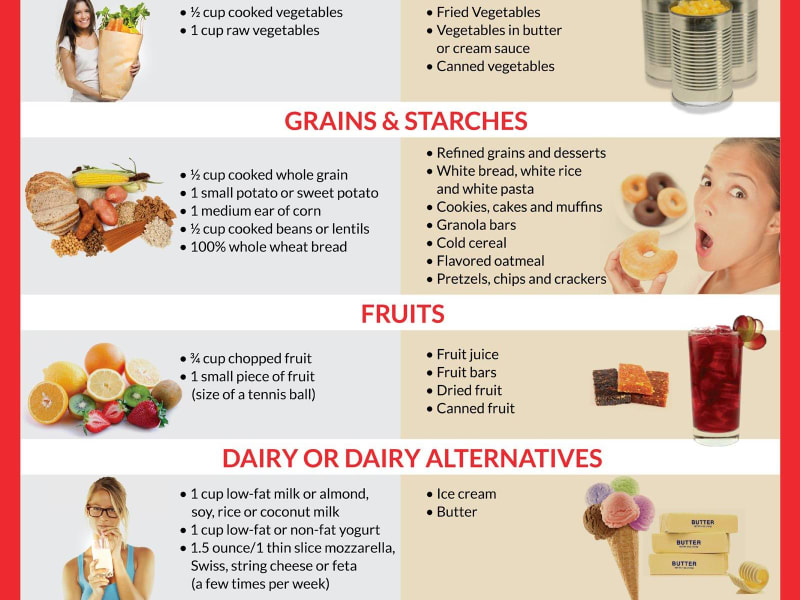
The carbohydrate debate is more nuanced than "eat less carbs." The quality of carbohydrates — their fibre content, processing level, and glycaemic impact — matters far more than their mere presence in your diet. Here's the science behind the distinction.
April 14, 2026

Most official protein recommendations were set to prevent deficiency — not to optimise health, muscle mass, or longevity. New research suggests the real requirements are significantly higher than the standard RDA, particularly for active adults and older populations.
April 13, 2026