

Free Helpline
We are here to assist you.
Health Advisor
+91-8877772277Available 7 days a week
10:00 AM – 6:00 PM to support you with urgent concerns and guide you toward the right care.

We are here to assist you.
Health Advisor
+91-8877772277Available 7 days a week
10:00 AM – 6:00 PM to support you with urgent concerns and guide you toward the right care.
Navigating intimacy with a larger-than-average penis involves communication, preparation, and the right techniques. Discover positions and tips for comfortable and pleasurable sex for both partners.

When it comes to sex, size is often a topic of conversation. While the myth of 'bigger is better' can create pressure, the reality is that having a larger-than-average penis can present unique considerations for both partners. It’s not about the size itself, but about how you and your partner communicate, prepare, and adapt to ensure pleasurable and safe intimacy. This guide is designed to help couples navigate the physical aspects and enhance sexual experiences when one partner has a larger penis.
Before diving into techniques, let's clarify what 'larger-than-average' might mean. While individual perceptions vary, medical studies suggest average erect penis lengths can range from about 5.1 to 5.5 inches (13 to 14 cm) and circumferences around 4.6 inches (11.6 cm). So, 'larger' generally refers to dimensions exceeding these averages. Remember, these are just numbers, and emotional connection, foreplay, and communication are far more significant factors in sexual satisfaction.
The foundation of great sex, especially with size considerations, is preparation. This involves more than just getting in the mood; it's about practical steps that ensure comfort and safety.
This is paramount. Using a condom that is too small is not only uncomfortable but significantly increases the risk of breakage. Think of it like forcing your foot into a shoe that's several sizes too small – it's a recipe for disaster. Always opt for condoms specifically designed for larger sizes. Brands often offer 'magnum' or 'XL' options. Ensure a snug, but not constricting, fit. A condom that’s too large can slip off, negating its protective purpose.
For comfortable and pleasurable penetration, especially with a larger penis, ample lubrication is key. Natural lubrication may not always be sufficient, and friction can lead to discomfort or even injury for the receiving partner. Opt for a generous amount of high-quality water-based or silicone-based lubricant. Apply it liberally to both partners and the condom before and during intercourse. Don't be shy about reapplying as needed. This simple step can make a world of difference.
The right positions can significantly impact comfort and pleasure, allowing for control over depth and angle. Here are some effective strategies for different types of sexual activity.
The goal here is often to manage depth and ensure the receiving partner feels in control and comfortable. Experiment with these positions:
Anal sex requires even more care and preparation due to the anatomy involved. A larger penis can increase the risk of pain and tears if not approached cautiously.
Great sex is multifaceted and certainly not limited to intercourse. Focusing solely on penetration can overshadow other highly pleasurable activities.
Ensure ample time is dedicated to foreplay. Kissing, touching, oral sex, and manual stimulation are vital for arousal and pleasure for all partners. For individuals with a vagina, direct clitoral stimulation during intercourse, using a hand or a vibrator, can greatly enhance orgasm and satisfaction, especially if deep penetration is uncomfortable.
Don't underestimate the power of non-penetrative activities. Mutual masturbation, using sex toys, sensual massage, and intimate conversation can create profound connection and pleasure. Remember, intimacy is about shared experience and connection, not just the mechanics of intercourse.
Priya and Rohan were excited about their intimate life but found that intercourse often left Priya feeling sore and uncomfortable, despite Rohan’s best efforts. They initially felt embarrassed and unsure how to address it. After discussing it openly, they decided to experiment with different positions and prioritize lubrication. By trying the 'tight missionary' position and using plenty of lube, they found that Priya could control the depth better, and the discomfort significantly reduced, allowing them to enjoy their intimacy more fully.
While most concerns about penis size and intercourse can be managed with communication and technique, there are times when seeking professional help is advisable.
Your doctor can rule out any physical causes for pain or discomfort and offer personalized advice. For more specific sexual health concerns, a urologist or gynecologist may be consulted. Therapists specializing in sexual health can also provide guidance on psychological and relational aspects.
Yes, if precautions like ample lubrication, slow movements, and appropriate positions are not used, a larger penis can potentially cause discomfort, bruising, or tearing to the receiving partner, especially during anal sex or if the vaginal canal is not sufficiently lubricated or relaxed.
While some women may enjoy the sensation of deep penetration, the clitoris is the primary center for female orgasm. Many women achieve orgasm through clitoral stimulation alone or in combination with other forms of intimacy. Penis size is not the sole or even primary determinant of female satisfaction or orgasm.
Open communication is key. Discuss what feels good, what doesn't, and explore different positions, techniques, and the use of lubricants and sex toys. Focusing on foreplay, mutual pleasure, and diverse forms of intimacy beyond just intercourse will create a more fulfilling sexual experience for both partners.
Water-based and silicone-based lubricants are generally recommended. Silicone-based lubricants tend to last longer and provide more consistent glide, which can be particularly helpful. Avoid oil-based lubricants with latex condoms, as they can degrade the latex.
Absolutely. Open and honest communication about your bodies, desires, and any concerns is fundamental to a healthy and satisfying sexual relationship. Approaching the conversation with sensitivity and focusing on mutual pleasure can make it a positive experience.
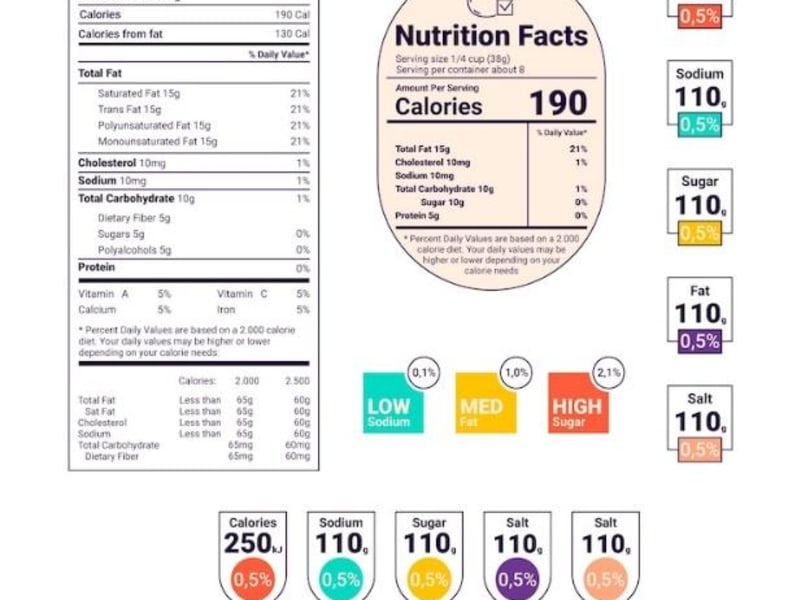
Nutrition labels are designed to inform — but food manufacturers often make them difficult to interpret. This expert guide walks through every section of a nutrition label, exposing the common tricks used to mislead consumers and showing you what to actually look for.
April 14, 2026
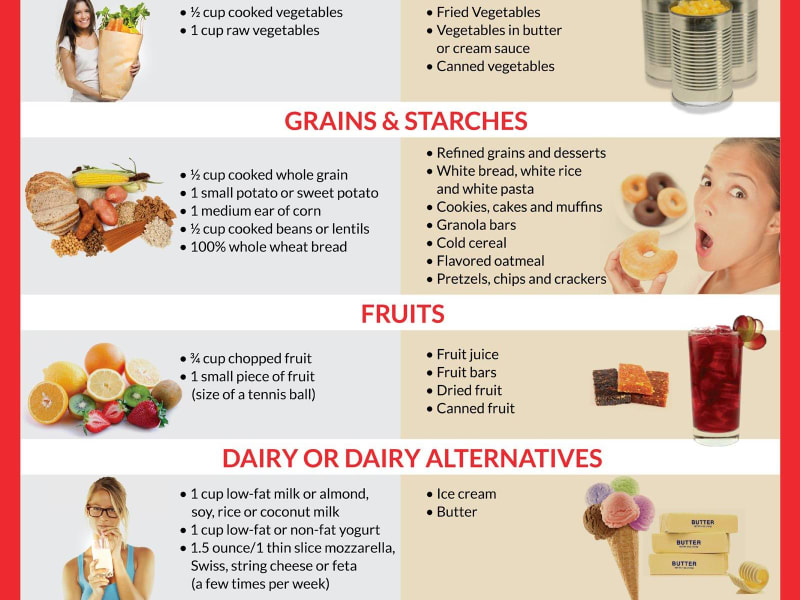
The carbohydrate debate is more nuanced than "eat less carbs." The quality of carbohydrates — their fibre content, processing level, and glycaemic impact — matters far more than their mere presence in your diet. Here's the science behind the distinction.
April 14, 2026
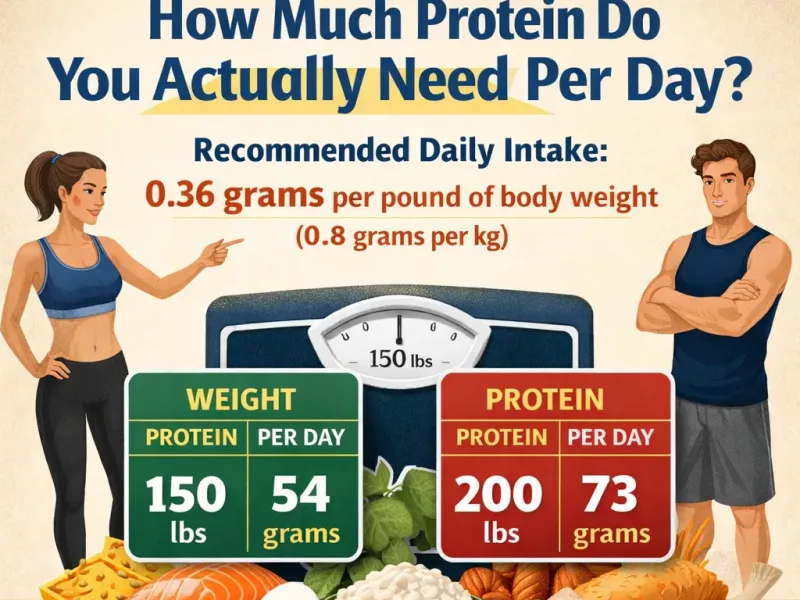
Most official protein recommendations were set to prevent deficiency — not to optimise health, muscle mass, or longevity. New research suggests the real requirements are significantly higher than the standard RDA, particularly for active adults and older populations.
April 13, 2026