

Free Helpline
We are here to assist you.
Health Advisor
+91-8877772277Available 7 days a week
10:00 AM – 6:00 PM to support you with urgent concerns and guide you toward the right care.

We are here to assist you.
Health Advisor
+91-8877772277Available 7 days a week
10:00 AM – 6:00 PM to support you with urgent concerns and guide you toward the right care.
Discover how kissing can be more than just a romantic gesture, contributing to your daily calorie burn and overall well-being. Learn about the factors influencing calorie expenditure and how to enhance it.

When we think about burning calories, we usually picture sweaty gym sessions, long runs, or rigorous sports. But what if I told you that a simple, intimate act like kissing could also contribute to your daily calorie expenditure? It might sound surprising, but a passionate kiss or a prolonged make-out session can indeed get your heart rate up and burn calories, adding a touch of romance to your fitness routine.
Let's be clear: a quick peck on the cheek won't significantly impact your calorie count. However, when kissing becomes more involved, like a deep, passionate embrace or a steamy make-out session, the calorie burn can become more noticeable. For an average person weighing around 150-160 pounds, casual kissing might burn about 2 to 3 calories per minute. This might not sound like much, but consider the cumulative effect over time.
When kissing intensifies, involving more movement and energy, the calorie burn can increase. Passionate kissing, for instance, could potentially burn anywhere from 5 to 26 calories per minute. While the higher end might be aspirational, even the lower end signifies a tangible increase compared to simple pecks. Think of it as a gentle, enjoyable form of cardio that also strengthens your bond with your partner.
Several factors determine how many calories you burn during any physical activity, and kissing is no exception. These include:
Kissing can be a standalone activity, but it can also be a part of a more comprehensive romantic encounter that naturally increases calorie expenditure. Here are a few ways you can turn up the heat and boost your burn:
When kissing escalates into making out, especially with active engagement, your calorie burn increases. This involves more than just lip-to-lip contact; it often includes body contact, movement of the upper body, and increased heart rate. This can be comparable to light stretching or a very gentle workout, potentially burning around 5 calories per minute.
Imagine a romantic evening with your partner, soft music playing, and a slow dance that includes kissing. This combination can be a delightful way to burn calories. Dancing itself burns a significant number of calories, and adding kissing, neck nibbling, and affectionate touching can elevate the experience and the burn. Dancing alone can burn approximately 6 calories per minute, and the added intimacy of kissing can only enhance this.
Incorporating touch and exploration with your hands during kissing can significantly increase the intensity and calorie burn. This form of intimacy involves more physical engagement and movement, potentially increasing your metabolic rate. The calorie burn here might be similar to making out with active movement.
While often considered a distinct activity, oral sex can be part of a passionate encounter that includes kissing. Although the primary activity might be focused from the neck up, the sustained effort and increased heart rate can contribute to calorie expenditure. The pace and intensity can be compared to very slow dancing.
Of course, the ultimate physical activity that often follows passionate kissing is sex. Sex is a well-known calorie burner, with studies suggesting varied figures depending on duration and intensity. A 25-minute session of sex and kissing might burn around 69 calories for women and up to 100 calories for men. This demonstrates how kissing can be a prelude to a more vigorous calorie-burning activity.
Priya and Rohan are on a date night at home. After a lovely dinner, they decide to put on some romantic music and dance. They find themselves holding each other close, kissing passionately between dance steps, and their heart rates are elevated. This intimate hour, filled with dancing and kissing, is not only strengthening their connection but also contributing to a healthy calorie burn, far more than if they had just sat on the couch.
While the calorie-burning aspect of kissing is interesting, its benefits extend far beyond that. Kissing is a powerful way to express love, affection, and intimacy. It can:
While kissing offers numerous benefits, it's essential to maintain good oral hygiene and practice safe intimacy. If you have concerns about oral health, sexually transmitted infections (STIs) that can be transmitted through kissing (like herpes or flu), or any other health-related questions, it's always best to consult a healthcare professional. They can provide personalized advice and address any specific health worries you might have.
A1: While kissing burns calories, it's unlikely to cause significant weight loss on its own. For effective weight management, combine kissing with a balanced diet and regular exercise.
A2: A simple, casual kiss typically burns around 2 to 3 calories per minute.
A3: Yes, passionate kissing, especially when it involves more movement and engagement, burns more calories than casual kissing.
A4: The main risks involve the transmission of infections, such as the common cold, flu, or herpes, if one partner is infected. Practicing good oral hygiene and being aware of your partner's health can mitigate these risks. It's also important to have open conversations about sexual health with your partner.
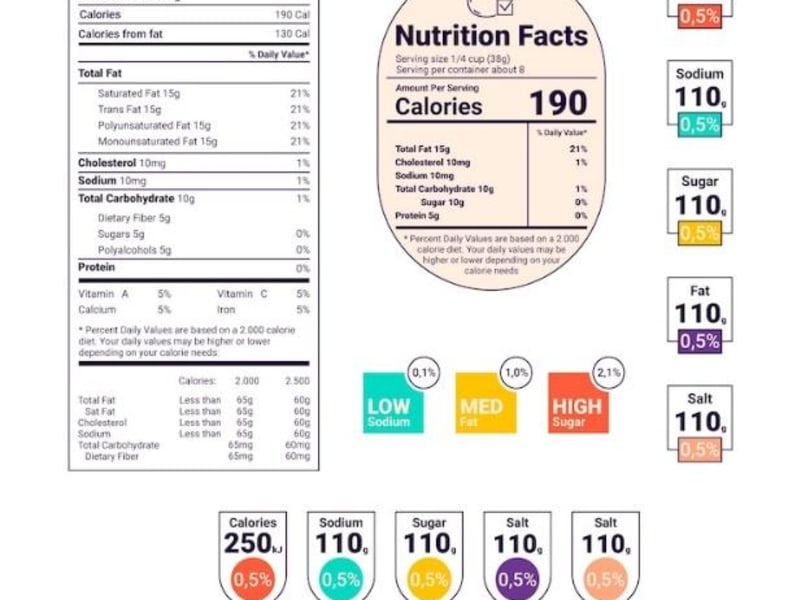
Nutrition labels are designed to inform — but food manufacturers often make them difficult to interpret. This expert guide walks through every section of a nutrition label, exposing the common tricks used to mislead consumers and showing you what to actually look for.
April 14, 2026
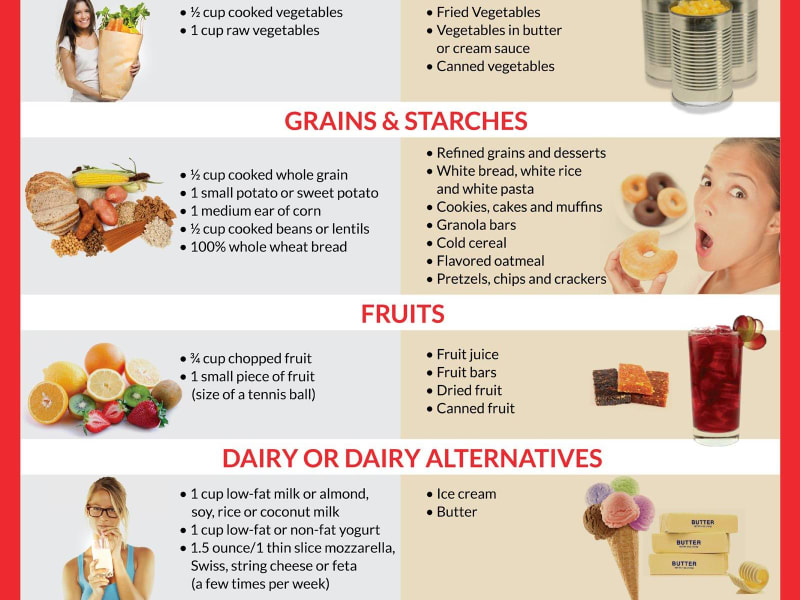
The carbohydrate debate is more nuanced than "eat less carbs." The quality of carbohydrates — their fibre content, processing level, and glycaemic impact — matters far more than their mere presence in your diet. Here's the science behind the distinction.
April 14, 2026
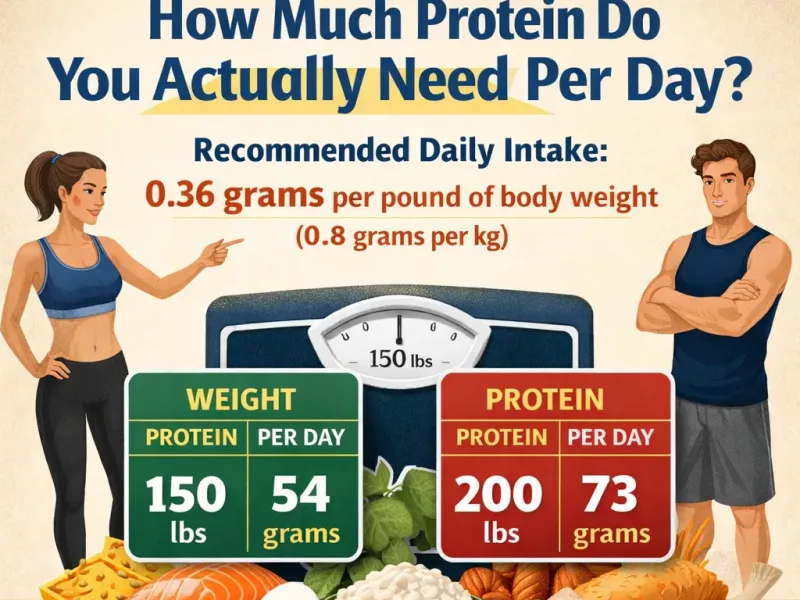
Most official protein recommendations were set to prevent deficiency — not to optimise health, muscle mass, or longevity. New research suggests the real requirements are significantly higher than the standard RDA, particularly for active adults and older populations.
April 13, 2026