

Free Helpline
We are here to assist you.
Health Advisor
+91-8877772277Available 7 days a week
10:00 AM – 6:00 PM to support you with urgent concerns and guide you toward the right care.

We are here to assist you.
Health Advisor
+91-8877772277Available 7 days a week
10:00 AM – 6:00 PM to support you with urgent concerns and guide you toward the right care.
Discover the surprising truth about your hair: is it alive or dead? Learn about keratin, the hair growth cycle, and practical tips for healthier, stronger strands.

Have you ever wondered what your hair is truly made of? It’s a common question, especially when you’re looking for ways to make it grow faster or stronger. You might be surprised to learn that the hair you see and touch every day is actually made of dead cells! But don't let that alarm you. Your hair is a fascinating part of your body, and understanding its composition can help you care for it better. Let’s dive into the science behind your hair and explore how to keep those visible strands looking their best.
Imagine your hair as a tiny, complex structure. Each strand that grows from your scalp is technically called a filament or a hair shaft. This is the part of your hair that you can see and style. The vast majority of this hair shaft is composed of a tough, fibrous protein called keratin. You might recognize keratin as the same protein that makes up your fingernails and the outer layer of your skin. It’s a powerful building block that gives your hair its strength and resilience.
But where does this keratin come from? It originates deep within your skin, in structures called hair follicles. Think of a hair follicle as a tiny pocket or sheath in your skin from which each hair grows. Inside the follicle, at its base, is a structure known as the hair bulb. This is the living, dynamic part where hair is actually produced. Blood vessels here deliver essential nutrients to the cells, fueling their growth and multiplication.
As new cells are formed in the hair bulb, they push older cells upward and outward. These older cells, as they ascend and emerge from the scalp, undergo a process called keratinization. They essentially fill up with keratin and lose their internal structures, becoming the dead, but strong, cells that form the visible hair shaft. So, while the hair bulb is alive and actively working, the hair shaft extending from your skin is essentially a collection of dead cells packed with keratin.
This understanding sheds light on why getting a haircut is completely painless. Since the visible hair shaft is composed of dead cells, it lacks nerves or blood supply. There’s nothing to feel pain, just like trimming your fingernails doesn’t hurt. The living part – the hair bulb and follicle within the skin – remains untouched and unharmed during a haircut.
Your hair doesn’t grow continuously. Instead, each hair follicle goes through a cyclical process, involving distinct phases:
It’s perfectly normal to lose between 50 to 100 hairs each day. This shedding is a natural part of the telogen and exogen phases, as your follicles take a break and prepare for new growth. This constant renewal ensures that your hair maintains its health and appearance over time.
Even though the hair you see is made of dead cells, it’s still susceptible to damage and can benefit greatly from proper care. Think of it like maintaining a beautiful fabric – you want to keep it clean, strong, and protected. Here are some practical ways to care for your hair:
Regular cleansing is important to remove dirt, oil, and product buildup that can weigh your hair down and make it look dull. However, the frequency of washing depends on your hair type and lifestyle. Overwashing can strip your hair of its natural oils, leading to dryness and brittleness. Experiment to find the right balance for you. Use shampoos and conditioners that suit your hair’s needs – whether it’s for dryness, oiliness, or color-treated hair.
Excessive heat from styling tools like blow dryers, straighteners, and curling irons can damage the keratin structure of your hair shaft. This damage can lead to dryness, split ends, and breakage. Whenever possible, limit heat styling to once or twice a week. When you do use heat tools, always apply a heat protectant spray beforehand. Allow your hair to air dry as much as possible.
Scalding hot water can strip moisture from your hair and scalp, making your hair dry and prone to breakage. Opt for lukewarm water when washing your hair. As a finishing touch, a quick rinse with cool water can help to seal the hair cuticle, locking in moisture and adding shine.
Getting a haircut every 10 to 12 weeks might seem counterintuitive if you’re trying to grow your hair long, but it’s essential for maintaining health. Trimming removes split ends, which can travel up the hair shaft and cause further damage. By getting rid of them, you keep your hair looking healthier and can prevent breakage, ultimately helping it to grow longer and stronger.
What you eat directly impacts the health of your hair follicles and, consequently, the quality of the hair that grows. A balanced diet rich in protein, vitamins, and minerals is key. Ensure you’re getting enough:
A scenario: Priya notices her hair has become dry and brittle lately, with more split ends than usual. She’s been washing it daily with hot water and using a flat iron every other day. She decides to try washing her hair only three times a week with lukewarm water, skipping the flat iron for a while, and adding more eggs and nuts to her diet. Within a few weeks, she notices her hair feels softer and looks less frizzy.
Just like your skin, your hair can be affected by sun exposure, pollution, and harsh weather. Wearing a hat or scarf when you’re out in strong sun or during windy conditions can offer protection. Swimming in chlorinated pools can also be drying; rinsing your hair with fresh water before and after swimming can help.
While understanding hair composition is interesting, significant or sudden hair loss, or changes in hair texture, can sometimes indicate an underlying health issue. If you experience:
It’s wise to consult a doctor or a dermatologist. They can help identify the cause, whether it’s hormonal imbalances, nutritional deficiencies, stress, or a medical condition, and recommend appropriate treatment.
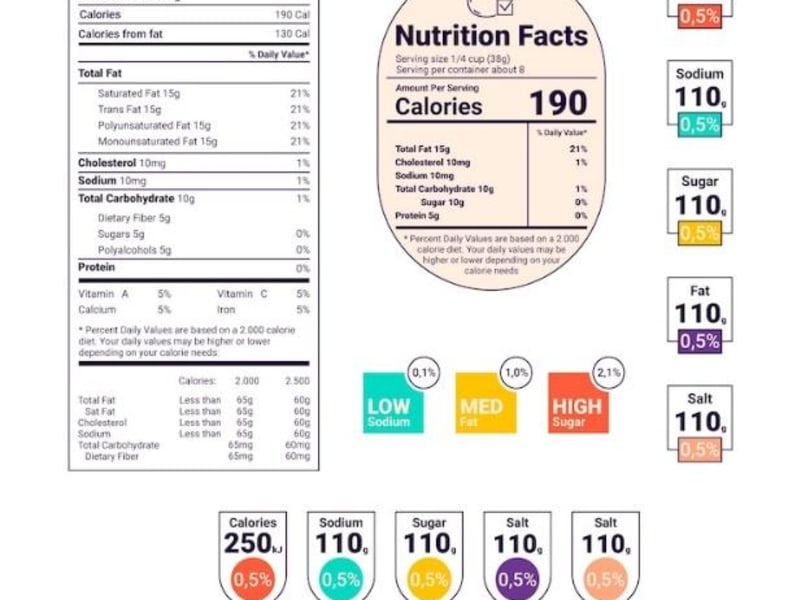
Nutrition labels are designed to inform — but food manufacturers often make them difficult to interpret. This expert guide walks through every section of a nutrition label, exposing the common tricks used to mislead consumers and showing you what to actually look for.
April 14, 2026
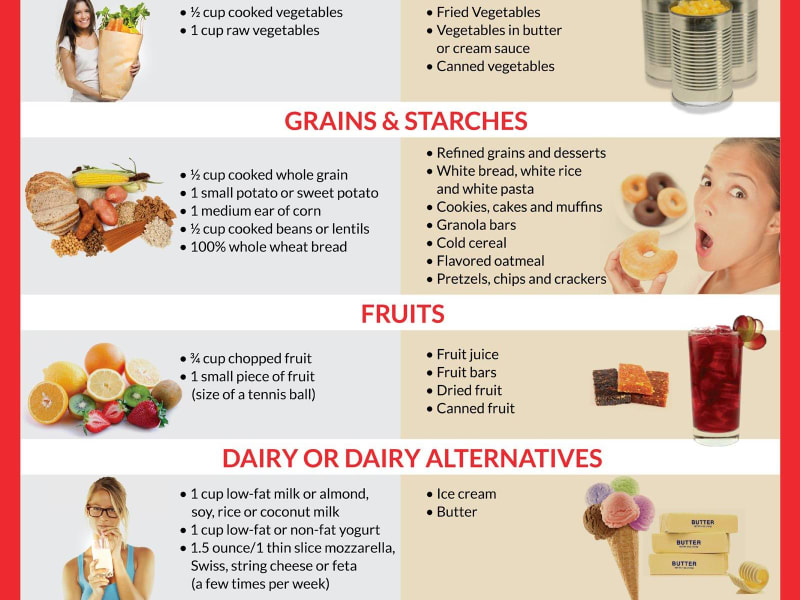
The carbohydrate debate is more nuanced than "eat less carbs." The quality of carbohydrates — their fibre content, processing level, and glycaemic impact — matters far more than their mere presence in your diet. Here's the science behind the distinction.
April 14, 2026
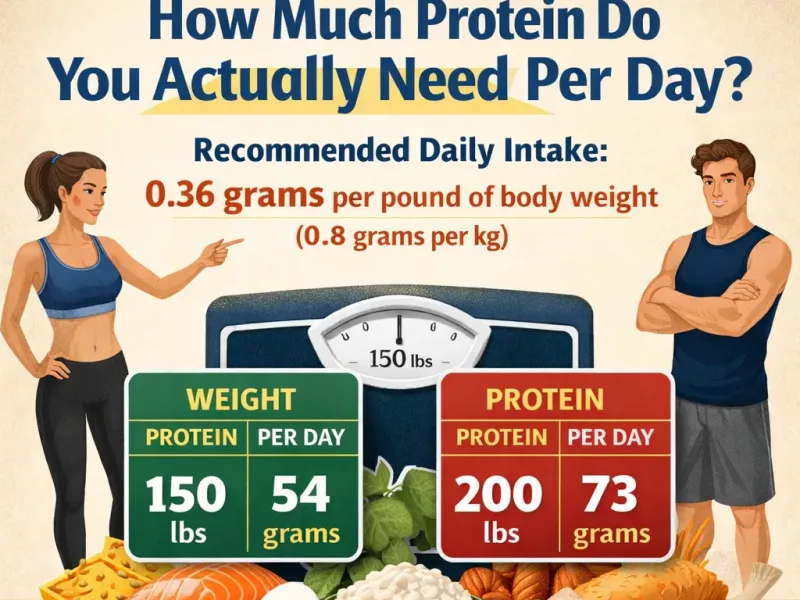
Most official protein recommendations were set to prevent deficiency — not to optimise health, muscle mass, or longevity. New research suggests the real requirements are significantly higher than the standard RDA, particularly for active adults and older populations.
April 13, 2026