

Free Helpline
We are here to assist you.
Health Advisor
+91-8877772277Available 7 days a week
10:00 AM – 6:00 PM to support you with urgent concerns and guide you toward the right care.

We are here to assist you.
Health Advisor
+91-8877772277Available 7 days a week
10:00 AM – 6:00 PM to support you with urgent concerns and guide you toward the right care.
Discover why hunger can lead to nausea, explore practical tips for relief and prevention, and learn when to seek medical advice. Practical advice for Indian readers.

Ever felt a wave of queasiness wash over you when your stomach rumbles with hunger? It might seem counterintuitive, but for many people, an empty stomach can actually trigger nausea. This isn't just a minor inconvenience; it can be a distressing symptom that impacts your daily life. In India, where food is deeply intertwined with culture and social gatherings, experiencing nausea when hungry can be particularly confusing and concerning. Let's explore why this happens and what you can do about it, keeping in mind the diverse dietary habits and health concerns prevalent across our country.
Your stomach is a remarkable organ, and one of its key functions is to produce hydrochloric acid. This powerful acid plays a vital role in breaking down the food you eat. Now, imagine your stomach remaining empty for an extended period. What happens to that acid? It can start to build up. This excess acid can irritate your stomach lining, leading to discomfort, acid reflux, and that familiar queasy feeling – nausea.
Another common culprit is what we often call 'hunger pangs'. These aren't just mild stomach growls; they are strong contractions of your stomach muscles that signal your brain it's time to eat. While these pangs are usually a normal response to an empty stomach, in some individuals, their intensity can be overwhelming, contributing significantly to the feeling of nausea.
It's important to remember that while hunger is a frequent cause, nausea can sometimes point to other underlying health issues. If your nausea is severe or accompanied by other worrying symptoms, it’s always best to seek professional medical advice.
Several factors can exacerbate nausea when you're hungry:
Nausea when hungry typically manifests as:
It's important to differentiate this from other causes of nausea. For instance, if you experience sudden, severe nausea along with vomiting, intense abdominal pain, fever, or chest pain, you must seek emergency medical care immediately.
The most straightforward solution is to eat something. However, the type and timing of your food intake matter, especially if you're prone to hunger-induced nausea.
When your stomach has been empty for a while, your body needs gentle nourishment. Consider these options:
Real-life scenario: Meena, a working mother in Mumbai, often felt dizzy and sick on her way to work, especially if she skipped her breakfast due to a rushed morning. She found that carrying a small packet of dates in her purse helped immensely. A few dates before her first meeting would calm her stomach and give her the energy she needed until lunchtime.
The key to prevention lies in managing your meal frequency and portion sizes. If you find yourself consistently feeling nauseous when hungry, try these strategies:
A note on meal frequency: While the idea of six small meals a day is popular, it's not necessarily superior to three balanced meals. The most important thing is to find a pattern that prevents prolonged periods of extreme hunger. Consulting a registered dietitian or nutritionist can be incredibly beneficial in creating a personalized meal plan tailored to your specific needs and preferences.
While occasional nausea from hunger is common, certain situations warrant a doctor's visit:
Your doctor can help rule out other potential causes of nausea, such as gastrointestinal issues, infections, or even certain neurological conditions. They can also provide guidance on managing symptoms and address any underlying health concerns.
Yes, in some cases, intense hunger can lead to nausea so severe that it results in vomiting. This is often due to the buildup of stomach acid or the strong contractions associated with hunger pangs overwhelming your system.
Good options include a small handful of nuts, a piece of fruit like a banana or apple, a few dried fruits (dates, raisins), a small yogurt, or a few whole-grain crackers. These provide energy and are relatively easy to digest.
Usually, no. Nausea from hunger is often a normal physiological response. However, if it's severe, persistent, or accompanied by other alarming symptoms, it could indicate an underlying condition that requires medical attention. Always consult a doctor if you are concerned.
Yes, children can also experience nausea when they are hungry. Their smaller stomachs and sometimes less predictable eating patterns can make them more susceptible. It’s important to ensure they eat regularly and to be aware of their hunger cues.
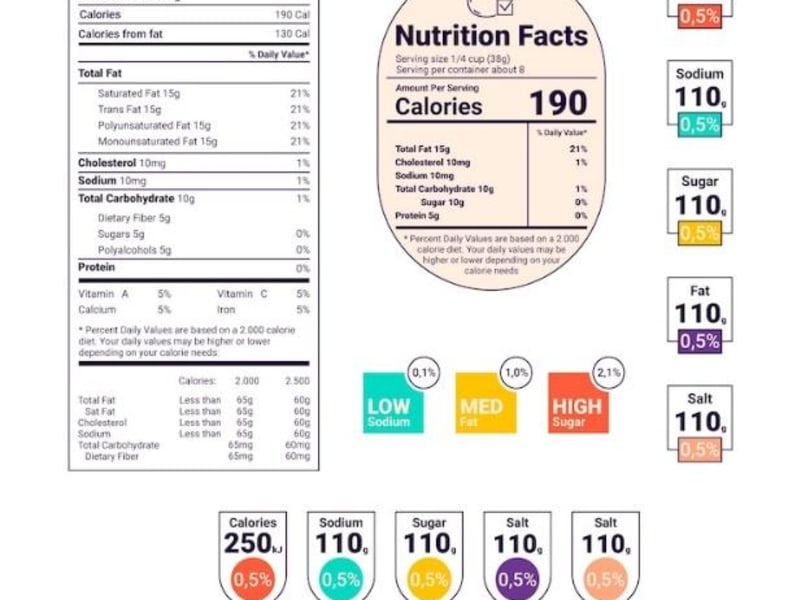
Nutrition labels are designed to inform — but food manufacturers often make them difficult to interpret. This expert guide walks through every section of a nutrition label, exposing the common tricks used to mislead consumers and showing you what to actually look for.
April 14, 2026
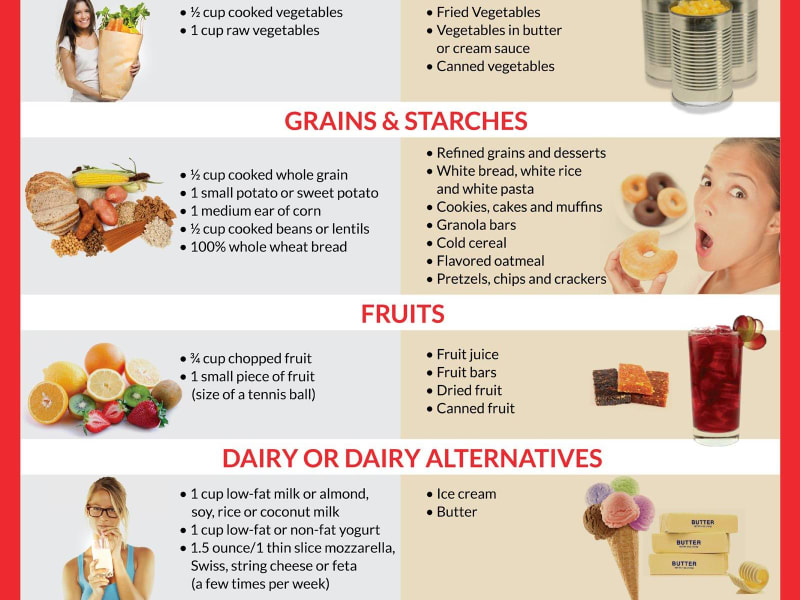
The carbohydrate debate is more nuanced than "eat less carbs." The quality of carbohydrates — their fibre content, processing level, and glycaemic impact — matters far more than their mere presence in your diet. Here's the science behind the distinction.
April 14, 2026
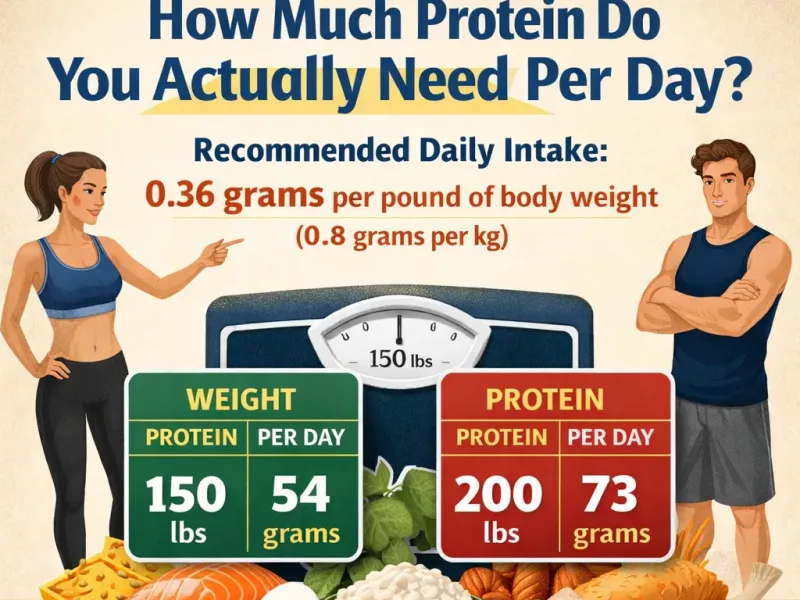
Most official protein recommendations were set to prevent deficiency — not to optimise health, muscle mass, or longevity. New research suggests the real requirements are significantly higher than the standard RDA, particularly for active adults and older populations.
April 13, 2026