

Free Helpline
We are here to assist you.
Health Advisor
+91-8877772277Available 7 days a week
10:00 AM – 6:00 PM to support you with urgent concerns and guide you toward the right care.

We are here to assist you.
Health Advisor
+91-8877772277Available 7 days a week
10:00 AM – 6:00 PM to support you with urgent concerns and guide you toward the right care.
Discover the ideal conditioning frequency for your hair type. Learn how often to use rinse-out, leave-in, and deep conditioners for healthier, shinier hair.

Your hair goes through a lot. From daily styling and exposure to the elements to chemical treatments and heat styling, it’s no wonder our locks sometimes feel dry, tangled, or just…blah. Conditioner is often our go-to solution, promising softer, shinier, and more manageable hair. But how much is too much, and when isn't it enough? The truth is, the ideal conditioning frequency isn't one-size-fits-all. It hinges on your unique hair type, the specific conditioner you're using, and even your lifestyle.
Shampooing, while essential for cleaning, can strip away your hair's natural moisture. Conditioner works to replenish this lost moisture, smooth the hair cuticle, reduce frizz, and protect your strands from damage. It’s like a drink of water for your hair! But over-conditioning can lead to greasy, weighed-down hair, while under-conditioning can leave it dry, brittle, and prone to tangles. Finding that sweet spot is key to healthy, vibrant hair.
Before we dive into frequency, let's briefly touch on the different types of conditioners available. Each serves a specific purpose:
Your hair's natural texture and oil production are primary factors in determining conditioning frequency.
If you have fine hair, it can easily be weighed down by heavy conditioners, making it look flat and greasy. Similarly, if your scalp produces a lot of oil, applying conditioner too often or too close to the roots can exacerbate greasiness. For these hair types, it's often best to condition only a few times a week, or even just after every other wash. When you do condition, focus the product on the mid-lengths and ends of your hair, avoiding the scalp entirely.
Scenario: Priya, who has fine, straight hair, noticed her hair felt limp and greasy just a day after washing. She used to condition every time she shampooed, applying it all over. After reading about hair types, she decided to switch to conditioning only twice a week and applying it just to her ends. Within a few weeks, her hair felt lighter and looked much less oily.
These hair types naturally tend to be drier because the scalp's oils have a harder time traveling down the hair shaft. They often crave more moisture. You might find that conditioning daily or every other day is beneficial. Curly hair, in particular, can benefit from the extra slip and hydration that conditioner provides, helping to define curls and reduce frizz.
Scenario: Ramesh has thick, curly hair that often feels dry and tangles easily. He used to only condition once a week, thinking his hair would get too heavy. After trying to condition every other day, focusing on the ends, he was amazed at how much softer and more manageable his curls became, with significantly less frizz.
Chemical treatments like coloring, perming, or straightening can strip your hair of its natural moisture and damage its structure. These hair types often need more frequent conditioning to help repair and protect them. Aim to condition after every wash, and consider using a deep conditioner or hair mask weekly.
Whether from heat styling, environmental factors, or previous treatments, damaged hair is often porous and dry. It needs extra TLC. Regular conditioning, including the use of deep conditioners, can help to smooth the cuticle, improve elasticity, and restore some of its lost vitality.
The type of conditioner you use also influences how often you should apply it:
It's not just about how often, but also how you apply conditioner:
Pay attention to how your hair feels and looks. If your hair feels dry, brittle, or tangled even after conditioning, you might need to condition more often or use a richer product. Conversely, if your hair feels heavy, greasy, or looks flat, you might be conditioning too much or using a product that's too heavy for your hair type. Adjust your routine accordingly.
For most people, conditioning every day with a standard rinse-out conditioner might be too much, leading to buildup or greasiness, especially with fine or oily hair. However, if you have very dry, coarse, or curly hair, or if you use a gentle cleansing conditioner, daily conditioning might be beneficial. Listen to your hair!
Skipping conditioner can leave your hair dry, tangled, frizzy, and more prone to breakage. It won't have the replenished moisture and smoothed cuticle that conditioner provides, making it look dull and feel rough.
Generally, it's best to avoid applying conditioner directly to your scalp, especially if you have oily or fine hair, as it can clog pores and make your hair look greasy. Focus on the lengths and ends of your hair, which are typically drier and more prone to damage.
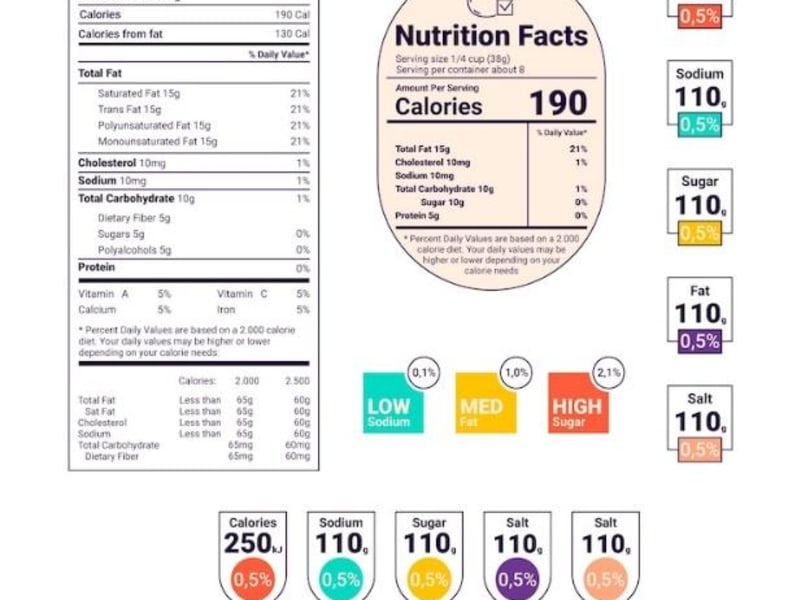
Nutrition labels are designed to inform — but food manufacturers often make them difficult to interpret. This expert guide walks through every section of a nutrition label, exposing the common tricks used to mislead consumers and showing you what to actually look for.
April 14, 2026
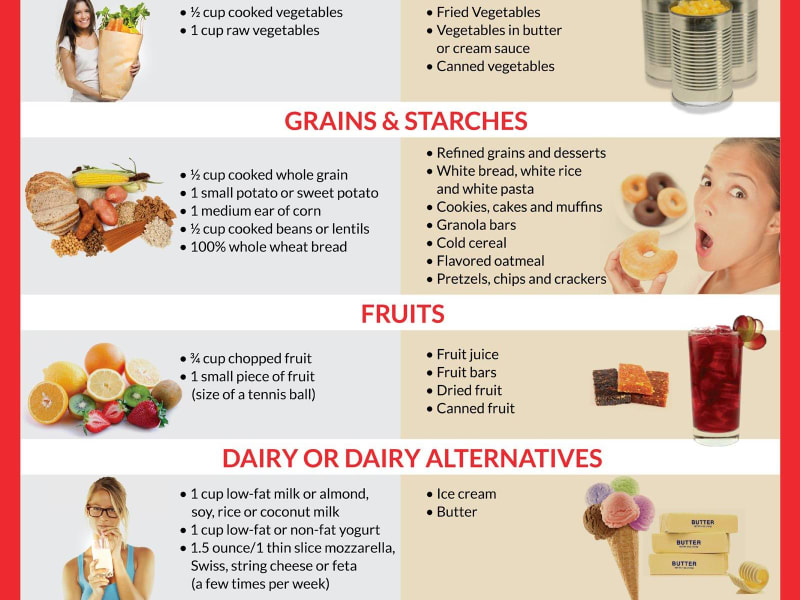
The carbohydrate debate is more nuanced than "eat less carbs." The quality of carbohydrates — their fibre content, processing level, and glycaemic impact — matters far more than their mere presence in your diet. Here's the science behind the distinction.
April 14, 2026
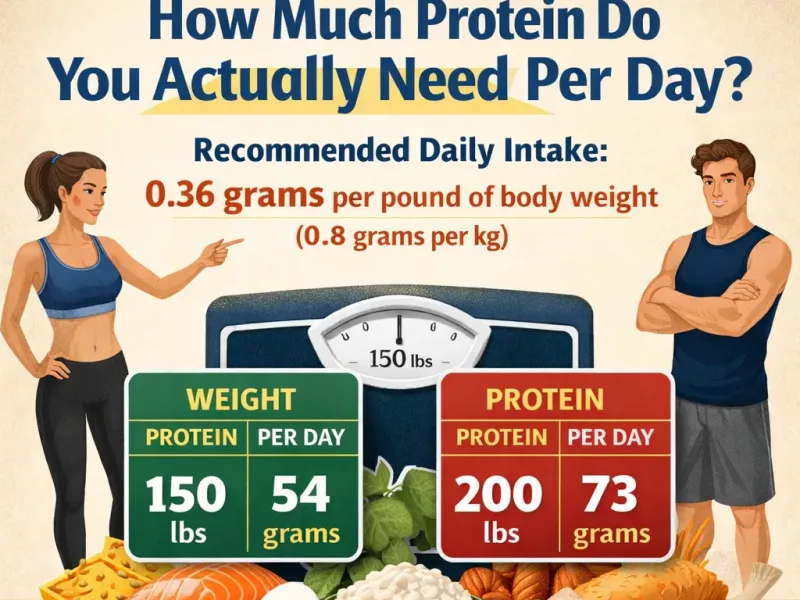
Most official protein recommendations were set to prevent deficiency — not to optimise health, muscle mass, or longevity. New research suggests the real requirements are significantly higher than the standard RDA, particularly for active adults and older populations.
April 13, 2026