

Free Helpline
We are here to assist you.
Health Advisor
+91-8877772277Available 7 days a week
10:00 AM – 6:00 PM to support you with urgent concerns and guide you toward the right care.

We are here to assist you.
Health Advisor
+91-8877772277Available 7 days a week
10:00 AM – 6:00 PM to support you with urgent concerns and guide you toward the right care.
Discover how hard water damages your hair and learn effective treatments and prevention tips, including clarifying shampoos, hair masks, and natural rinses, to restore shine and strength. Get practical advice for Indian readers.

Have you ever noticed your hair feeling unusually dry, brittle, or even limp after a shower, especially if you're in a new place or have recently moved? You might be washing your hair with hard water. It’s a common problem across India, affecting many households. Hard water isn't just about unpleasant-tasting tea; it can wreak havoc on your locks. But don't worry, understanding what hard water is and how it affects your hair is the first step towards regaining that healthy shine and bounce.
So, what exactly is hard water? Simply put, it's water that has a high concentration of dissolved minerals, primarily calcium and magnesium. These minerals, while natural, can build up on your hair shaft. Think of it like a fine, invisible film coating each strand. This film prevents moisture from penetrating your hair, leaving it thirsty and vulnerable.
Recognizing the symptoms is key. Does your hair feel:
Imagine this: You've just finished a relaxing shower, but when you run your fingers through your hair, it feels rough, like straw. You try to brush it, and a few strands snap off. This frustrating experience is a common reality for many dealing with hard water hair damage. The minerals in the water are stripping your hair of its natural oils and making it difficult for conditioners to work their magic.
The minerals in hard water form a film on your hair. This film acts as a barrier. Because moisture and beneficial hair products can't get in, your hair becomes dehydrated. This dehydration is the root cause of many of the symptoms we discussed. Over time, this can lead to more significant problems, impacting the overall health and growth cycle of your hair. For hairstylists, this buildup makes hair harder to color and style, leading to more stress on the hair during treatments.
The good news is that you can absolutely repair hard water-damaged hair. It takes a little consistent effort, but the results are worth it. Here are some effective strategies:
The most direct solution is to tackle the source: the hard water itself. While a whole-house water softening system is the gold standard, it can be a significant investment. A more budget-friendly and practical option for many Indian homes is a water softener shower head. These specialized shower heads contain cartridges, often with activated carbon, that filter out minerals before the water reaches your hair. It's a simple installation and makes a noticeable difference.
Clarifying shampoos are designed to deeply cleanse your hair and scalp, effectively removing stubborn mineral buildup. Think of them as a detox for your hair. It’s best to use a clarifying shampoo about once a week. When choosing one, look for formulas specifically designed to combat mineral buildup, not just regular product residue. This thorough cleansing allows your hair to breathe and absorb moisture better.
Once you've cleansed away the buildup, it's time to replenish moisture and restore shine. Regular use of a good quality hair mask, at least twice a week, can work wonders. Look for masks rich in hydrating ingredients like natural oils, shea butter, or hyaluronic acid. For daily conditioning, opt for a pH-balanced conditioner. A lower pH helps to close the hair cuticle, locking in moisture and keeping those pesky minerals out. Some stylists also recommend leave-in conditioners for an extra layer of protection and hydration.
For a natural approach, consider an apple cider vinegar (ACV) rinse. ACV has a low pH, which helps to smooth the hair cuticle. It also contains vitamins B and C, beneficial for hair health. Mix a few tablespoons of ACV with water (about 1 part ACV to 3-4 parts water). After shampooing and conditioning, pour the mixture over your hair and scalp, massage gently, and then rinse thoroughly with cool water. This can be done once or twice a week.
Even without special equipment, you can adapt your hair washing routine:
Prevention is always better than cure. By incorporating some of these practices into your regular routine, you can protect your hair from the damaging effects of hard water:
While these home remedies and preventative measures are highly effective, there are times when you should consult a doctor or a dermatologist. If you experience significant hair loss, persistent scalp irritation, redness, or flaking that doesn't improve with home care, it's time to seek professional advice. These could be signs of an underlying scalp condition that requires medical attention.
While hard water primarily causes dryness, breakage, and thinning due to mineral buildup, severe and prolonged exposure, especially in individuals with sensitive scalps or pre-existing conditions like eczema, can contribute to scalp issues that may lead to hair loss. The breakage itself can also give the appearance of thinning.
For most people, using a clarifying shampoo once a week is sufficient to remove mineral buildup without stripping the hair too much. If you use a lot of styling products or notice significant buildup, you might use it twice a week, but always follow up with a deep conditioner.
Washing your hair with bottled water can certainly help if your tap water is very hard. Bottled water typically has a much lower mineral content. However, this can be expensive and impractical for regular use. Using a shower filter or ACV rinses are more sustainable solutions for most.
The sticky feeling is likely due to the mineral film coating your hair. A clarifying shampoo is the best first step to remove this buildup. Follow up with a good conditioner or hair mask to restore moisture and smoothness.
Access reliable home doctor visits in Pune. Get expert medical care, diagnosis, and treatment without leaving your home.
April 26, 2026
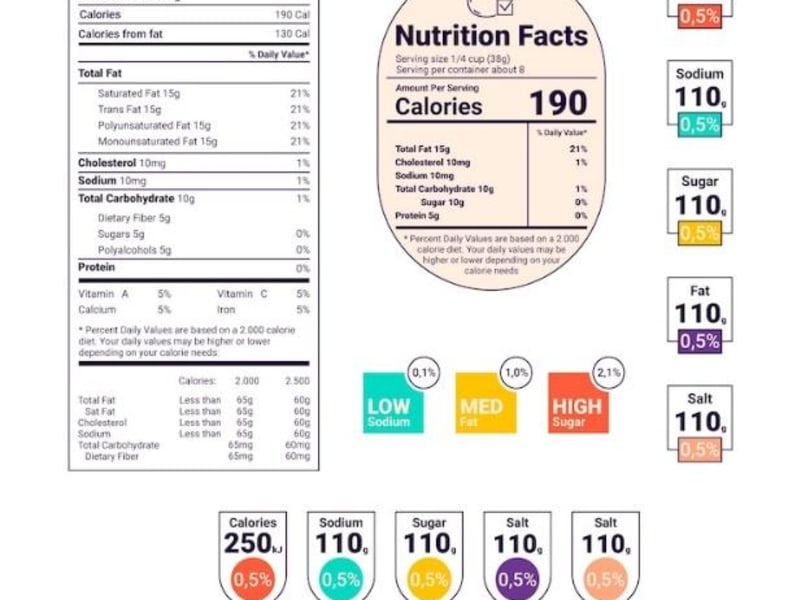
Nutrition labels are designed to inform — but food manufacturers often make them difficult to interpret. This expert guide walks through every section of a nutrition label, exposing the common tricks used to mislead consumers and showing you what to actually look for.
April 14, 2026
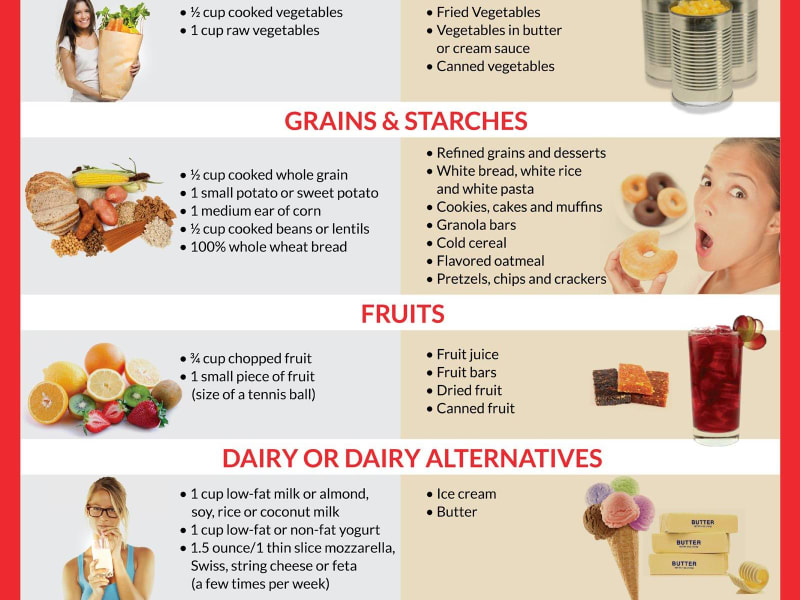
The carbohydrate debate is more nuanced than "eat less carbs." The quality of carbohydrates — their fibre content, processing level, and glycaemic impact — matters far more than their mere presence in your diet. Here's the science behind the distinction.
April 14, 2026