

Free Helpline
We are here to assist you.
Health Advisor
+91-8877772277Available 7 days a week
10:00 AM – 6:00 PM to support you with urgent concerns and guide you toward the right care.

We are here to assist you.
Health Advisor
+91-8877772277Available 7 days a week
10:00 AM – 6:00 PM to support you with urgent concerns and guide you toward the right care.
Discover practical strategies for men experiencing hair thinning and loss. Learn about gentle hair care, styling tips, medical treatments, and lifestyle changes for thicker, healthier hair.

Experiencing thinning hair or male pattern baldness can be a common concern for many men. In India, like elsewhere, societal pressures and personal confidence can be significantly impacted by hair loss. But the good news is, you're not alone, and there are several effective strategies you can adopt to manage thinning hair and even enhance its thickness. This guide offers practical, reader-first advice tailored for the Indian context, covering everything from gentle hair care to advanced treatments.
Hair loss, particularly male pattern baldness (androgenetic alopecia), affects a significant number of men. It often manifests as a receding hairline or thinning at the crown. While genetics play a role, other factors like stress, certain medical conditions, and even post-viral infections (like COVID-19) can contribute. Understanding the root cause is the first step towards finding the right solution.
Your daily hair care routine can make a surprising difference. Treating your hair gently can prevent breakage and promote a healthier appearance.
You don't necessarily need to wash your hair every single day, even if you shower daily. Over-washing can strip your scalp of natural oils, leading to dryness and potential breakage. When you do wash, opt for a gentle shampoo that cleanses without drying out your scalp. Focus the shampoo on your scalp to remove dirt and excess oil. After rinsing, apply conditioner primarily to the ends of your hair. Conditioner creates a protective layer, preventing split ends and breakage. Remember, applying conditioner all over fine hair can weigh it down, making it look even thinner.
At-home hair treatments like coloring, chemical straightening, or hot oil treatments can be damaging. These processes can weaken the hair shaft, making it more prone to thinning and breakage. If you're concerned about hair thickness, it's best to limit or avoid these harsh treatments. If you do choose to color your hair, opt for gentler formulas and ensure proper conditioning afterwards.
The way you style your hair can create an illusion of thickness and also prevent further loss.
When styling, always be gentle. Avoid tugging or pulling your hair, especially when it's wet, as it's most vulnerable then. If you use a hairdryer, keep the heat setting on low and avoid prolonged drying. A wider-tooth comb is a better choice than a brush for detangling, as it's less likely to snag and pull out hair. Using a bit of pomade or a texture spray can add volume and a thicker appearance to your hair. For a significant volume boost, consider letting your hair air dry instead of brushing it vigorously.
A good haircut can work wonders. Consult a stylist who understands thinning hair. They can recommend cuts, often involving layers, that create an illusion of fullness. Be mindful of hairstyles that pull your hair tightly, such as tight braids, cornrows, or ponytops. While you don't have to give them up entirely, try to take breaks and opt for looser styles in between to give your hair and scalp a rest.
For more significant thinning, medical interventions might be necessary. Always consult a doctor or dermatologist before starting any new treatment.
Two common FDA-approved medications for male pattern baldness are Minoxidil (Regaine) and Finasteride. Minoxidil is a topical solution or foam applied directly to the scalp, while Finasteride is an oral medication. Both work by stimulating hair follicles and slowing hair loss. However, results can take time – often 6 months or more – to become noticeable. It's important to use these consistently, as hair loss typically resumes if you stop the treatment.
While not FDA-approved specifically for hair loss treatment, adenosine is found in some over-the-counter (OTC) shampoos and conditioners. Look for products with a concentration of at least 0.75%. Some users report positive results in thickening their hair with regular use.
PRP therapy involves drawing your blood, processing it to concentrate the platelets, and then injecting this plasma into your scalp. The growth factors in platelets are believed to stimulate hair follicles. Typically, 3-4 sessions are recommended, spaced 4-6 weeks apart, with maintenance treatments as needed. While the exact mechanism isn't fully understood, many find it beneficial.
Your overall health and diet play a role in hair health too.
Ensure your diet is rich in vitamins and minerals essential for hair growth. This includes protein, iron, zinc, biotin, and vitamins A, C, and D. Include plenty of lean meats, fish, eggs, lentils, beans, fruits, and vegetables in your daily meals. If you suspect a deficiency, consult your doctor about appropriate supplements.
High stress levels can trigger or worsen hair loss. Incorporate stress-reducing activities into your routine, such as yoga, meditation, deep breathing exercises, or spending time on hobbies you enjoy. Regular physical activity also helps manage stress and improve overall circulation, which benefits the scalp.
If you're experiencing sudden or patchy hair loss, or if thinning is causing significant distress, it's important to seek professional advice. A dermatologist can help diagnose the specific cause of your hair loss and recommend the most suitable treatment plan. Don't hesitate to consult a doctor, especially if you notice other symptoms alongside hair thinning.
Results vary depending on the treatment and individual. For medications like Minoxidil and Finasteride, it can take 6 months or longer to see noticeable changes. Lifestyle changes and gentle care may offer more gradual improvements.
In some cases, yes, especially if the hair loss is due to temporary factors like stress or illness. For genetic hair loss, treatments can help slow progression and promote regrowth, but complete reversal might not always be possible. Consistent treatment is key.
While 'natural' doesn't always mean effective for everyone, maintaining a balanced diet rich in nutrients is crucial. Some people find benefits from certain oils like rosemary oil, but scientific evidence is still evolving. Always discuss with a healthcare provider before trying new remedies.
Hair loss following COVID-19, often a type called telogen effluvium, is usually temporary. It typically resolves within several months as the body recovers. However, if you have underlying genetic predisposition, it might trigger or accelerate male pattern baldness.
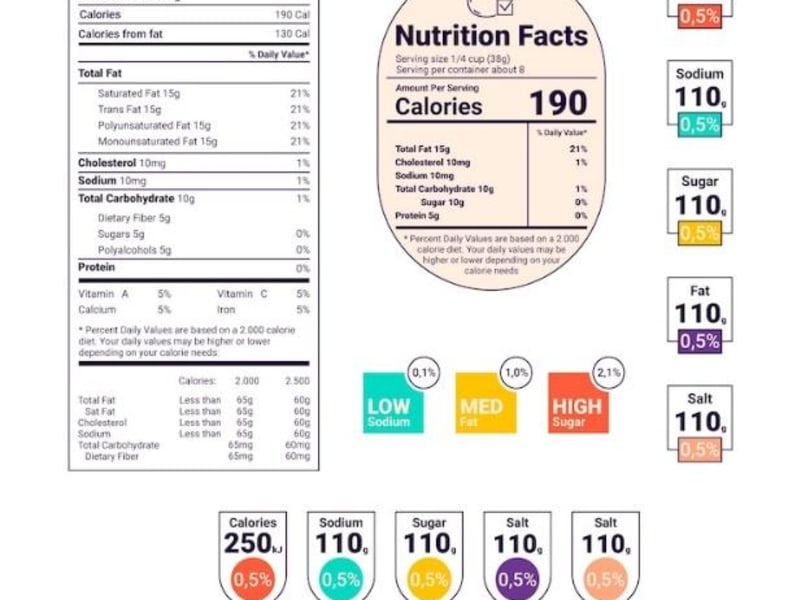
Nutrition labels are designed to inform — but food manufacturers often make them difficult to interpret. This expert guide walks through every section of a nutrition label, exposing the common tricks used to mislead consumers and showing you what to actually look for.
April 14, 2026
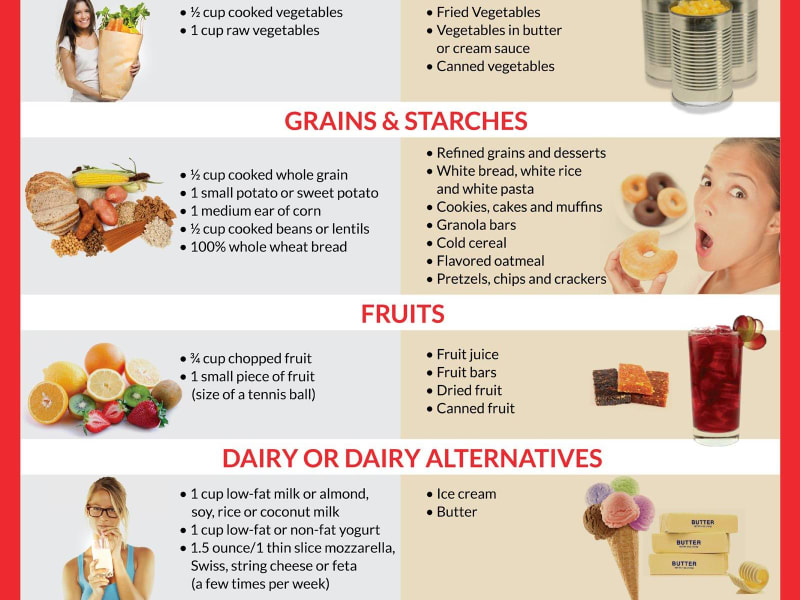
The carbohydrate debate is more nuanced than "eat less carbs." The quality of carbohydrates — their fibre content, processing level, and glycaemic impact — matters far more than their mere presence in your diet. Here's the science behind the distinction.
April 14, 2026
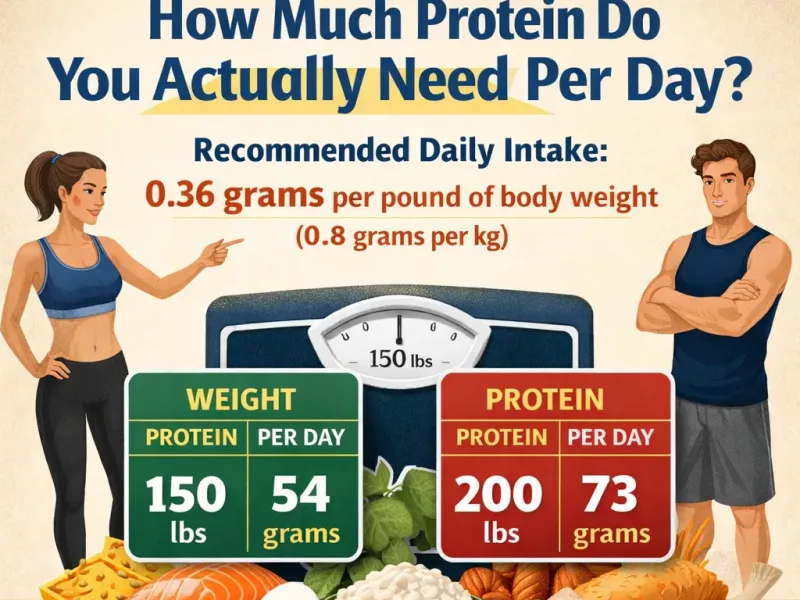
Most official protein recommendations were set to prevent deficiency — not to optimise health, muscle mass, or longevity. New research suggests the real requirements are significantly higher than the standard RDA, particularly for active adults and older populations.
April 13, 2026