

Free Helpline
We are here to assist you.
Health Advisor
+91-8877772277Available 7 days a week
10:00 AM – 6:00 PM to support you with urgent concerns and guide you toward the right care.

We are here to assist you.
Health Advisor
+91-8877772277Available 7 days a week
10:00 AM – 6:00 PM to support you with urgent concerns and guide you toward the right care.
Learn how to tell if salmon is bad by checking for visual cues like discoloration, milky film, and dullness, along with an ammonia or strong fishy smell, and a slimy or mushy texture. Discover proper storage tips to prevent spoilage and ensure food safety.

Salmon is a popular and nutritious fish, rich in omega-3 fatty acids, protein, and essential vitamins. It's a versatile ingredient that can be grilled, baked, pan-seared, or smoked, making it a staple in many healthy diets. However, like all perishable foods, salmon can spoil if not handled and stored correctly. Consuming spoiled salmon can lead to foodborne illness, characterized by unpleasant symptoms such as nausea, vomiting, diarrhea, and abdominal cramps. Therefore, knowing how to identify fresh salmon and recognize the signs of spoilage is crucial for ensuring food safety in your kitchen.
This comprehensive guide from Doctar will walk you through the key indicators of bad salmon, from visual cues to smell and texture, helping you make informed decisions about your food. We'll also cover proper storage techniques to extend salmon's freshness and when it's absolutely necessary to discard it.
Identifying spoiled salmon primarily relies on your senses: sight, smell, and touch. Fresh salmon should have a mild, clean aroma and a vibrant appearance. Any deviation from these characteristics is a red flag.
The smell test is often the most reliable way to determine if salmon has gone bad.
The texture of salmon can also reveal its freshness.
Salmon spoilage is primarily caused by bacterial growth and enzymatic activity that breaks down the fish's tissues. Several factors contribute to this process:
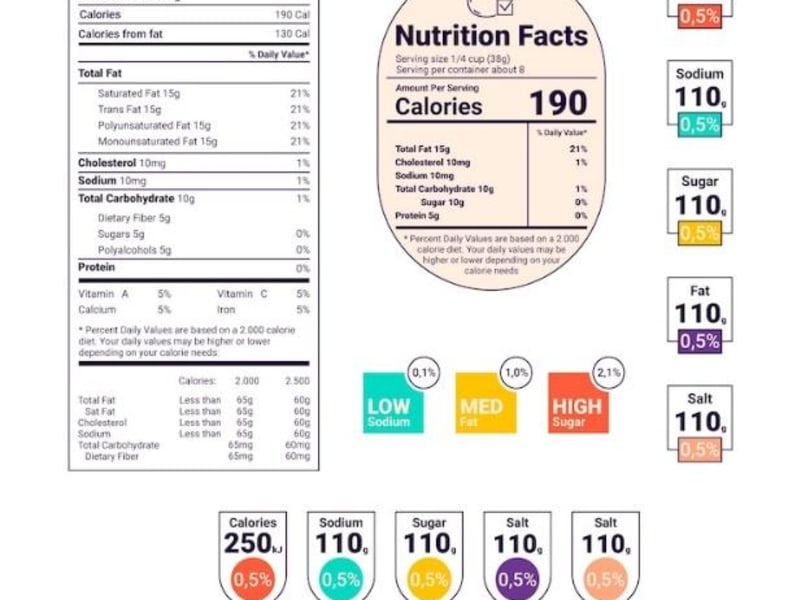
Nutrition labels are designed to inform — but food manufacturers often make them difficult to interpret. This expert guide walks through every section of a nutrition label, exposing the common tricks used to mislead consumers and showing you what to actually look for.
April 14, 2026
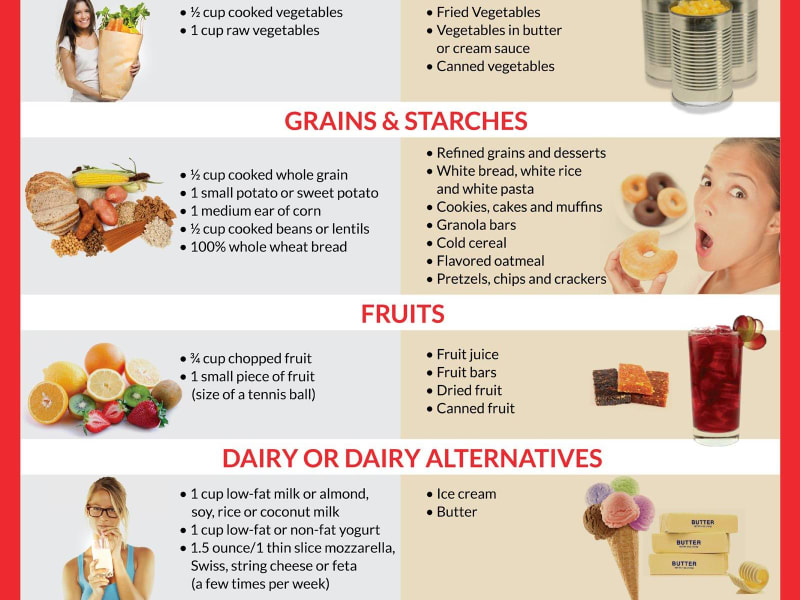
The carbohydrate debate is more nuanced than "eat less carbs." The quality of carbohydrates — their fibre content, processing level, and glycaemic impact — matters far more than their mere presence in your diet. Here's the science behind the distinction.
April 14, 2026
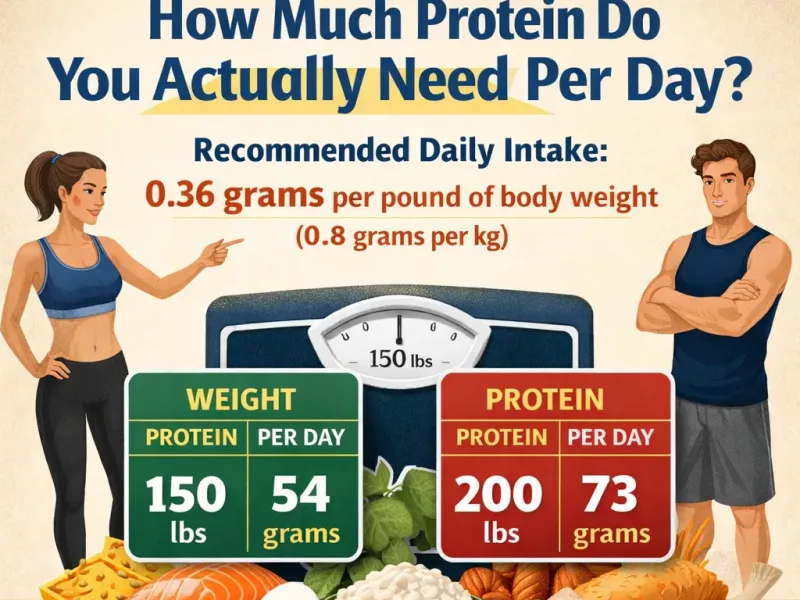
Most official protein recommendations were set to prevent deficiency — not to optimise health, muscle mass, or longevity. New research suggests the real requirements are significantly higher than the standard RDA, particularly for active adults and older populations.
April 13, 2026