

Free Helpline
We are here to assist you.
Health Advisor
+91-8877772277Available 7 days a week
10:00 AM – 6:00 PM to support you with urgent concerns and guide you toward the right care.

We are here to assist you.
Health Advisor
+91-8877772277Available 7 days a week
10:00 AM – 6:00 PM to support you with urgent concerns and guide you toward the right care.
Discover the right frequency for using face masks based on your skin type and mask formulation. Learn about clay, charcoal, hydrating, and exfoliating masks to achieve healthy, glowing skin.

In the quest for radiant, healthy skin, face masks have become a popular addition to many skincare routines. But with so many types and ingredients available, a common question arises: How often should you actually use a face mask? The answer, as with many things in skincare, isn't a simple one-size-fits-all. It truly depends on your unique skin type, your specific skin concerns, and the formulation of the mask itself. This guide will help you navigate the world of face masks and determine the right frequency for your skin.
Before diving into mask usage, it's vital to understand your skin type. Is it oily, dry, combination, sensitive, or acne-prone? Each type responds differently to ingredients and treatments.
The ingredients and intended effects of a face mask dictate how often you can safely and effectively use it. Let's explore some popular types:
These masks are easily identifiable by their thick consistency and often earthy colors. They are renowned for their ability to draw out impurities, excess oil, and dirt from the pores, giving them a 'detoxifying' reputation. Because of these powerful purifying qualities, clay and mud masks are particularly beneficial for those with oily, combination, acne-prone, or dull skin.
How often: Generally, clay and mud masks are recommended for use about once per week. Some formulations, especially those designed for very oily skin, might be used up to twice a week. However, it's crucial to monitor your skin's reaction. If you notice dryness or increased sensitivity, reduce the frequency.
Important Note: These masks can be quite potent. Always follow the product's instructions for application time, which is often around 15 minutes. Leaving them on too long can lead to excessive dryness.
Activated charcoal has long been used in medicine for its absorbent properties. In skincare, charcoal masks leverage this to help draw out impurities and combat acne by absorbing excess oil. They are also a good choice for acne-prone, oily, and combination skin types.
How often: Similar to clay masks, charcoal masks are typically recommended for use once or twice per week. Individuals with sensitive skin should be more cautious, perhaps starting with once a week or even once every few weeks, and observing how their skin responds. Overuse can strip the skin of its natural oils, leading to dryness and irritation.
Tip: Look for charcoal masks that balance the purifying ingredients with nourishing elements to prevent over-drying. For example, a mask might contain bamboo charcoal to draw out dirt and fermented honey to gently hydrate.
These masks focus on delivering hydration and soothing benefits. Cream masks, with their richer texture, deeply replenish dry skin cells. Gel masks offer a similar hydrating effect but often feel lighter and cooler on the skin, making them excellent for a refreshing boost.
How often: Cream and gel masks are generally more gentle and can often be used more frequently. They are suitable for most skin types, but those with dry, sun-damaged, or sensitive skin often see the most benefit. You can typically use these masks up to three times per week. Some formulas are even designed to be used as overnight masks, providing continuous hydration while you sleep.
Scenario: Priya has been feeling her skin is tight and flaky, especially after cleansing. She’s looking for a mask that can bring back moisture without causing breakouts. A hydrating cream or gel mask, used 2-3 times a week, could be the perfect addition to her routine.
Exfoliating masks, often containing alpha hydroxy acids (AHAs) or beta hydroxy acids (BHAs), are designed to slough away dead skin cells, revealing brighter, smoother skin underneath. They can help with dullness and uneven texture.
How often: Due to their potent nature, exfoliating masks should be used with caution. Over-exfoliation can damage the skin barrier, leading to redness, irritation, and increased sensitivity. Typically, these masks are recommended for use once a week, or even less frequently for sensitive skin. Always follow the product instructions carefully.
Caution: If you are already using other products with AHAs or BHAs in your daily routine (like toners or serums), you may need to use exfoliating masks even less often, or opt for a gentler type of mask altogether, to avoid overdoing it.
Peel-off masks start as a gel and dry to a film-like consistency, which is then peeled away from the skin. As they are removed, they lift away dirt, oil, and impurities that can clog pores, making them good for tackling rough texture and dullness.
How often: The frequency for peel-off masks can vary. While some are gentle enough for use a couple of times a week, others can be quite stripping. It's best to use them once a week initially and observe your skin's reaction. Be particularly mindful if the mask contains strong exfoliating acids.
Many people enjoy making their own masks using ingredients like honey, yogurt, or oatmeal. While DIY masks can be effective, it's essential to use them correctly:
As a general rule of thumb, most standard face masks should be used about once per week. However, your skin's needs are the ultimate guide.
The most straightforward advice is to read the instructions on the product packaging. Manufacturers design their masks with specific ingredients and strengths in mind, and the label should clearly state the recommended usage frequency and application time.
Pay close attention to how your skin feels after using a mask. Does it feel refreshed and hydrated, or tight, red, and irritated? If you experience any negative reactions, such as redness, stinging, burning, or excessive dryness, stop using the mask immediately and reduce the frequency of other active treatments in your routine.
If you have persistent skin concerns, such as severe acne, eczema, rosacea, or if you're unsure about which masks are suitable for your skin, it's always best to consult a dermatologist or a qualified skincare professional. They can provide personalized recommendations based on your skin's specific condition.
For most people and most types of masks, daily use is not recommended. Masks, especially those with active ingredients like clays, charcoals, or exfoliants, can disrupt your skin's natural balance if used too often. Hydrating or soothing masks might be an exception, but it's still wise to follow product instructions and monitor your skin.
This varies greatly by mask type. Clay and charcoal masks are often recommended for 10-15 minutes. Hydrating cream or gel masks might be left on longer, sometimes even overnight if designed for that purpose. Exfoliating masks usually have specific time limits to prevent irritation. Always check the product label for the most accurate guidance.
After rinsing off your mask, it's generally a good practice to follow up with your regular skincare routine. This usually includes a gentle cleanser (if you haven't already rinsed thoroughly), followed by a toner, serum, and moisturizer to lock in hydration and benefits. For hydrating masks, moisturizing is especially important. For purifying masks, ensure you rehydrate your skin.
Not necessarily. The effectiveness of a face mask depends more on its active ingredients, formulation, and suitability for your skin type rather than its price tag. Many affordable masks contain high-quality ingredients that can deliver excellent results. Focus on understanding the ingredients and their benefits for your skin.
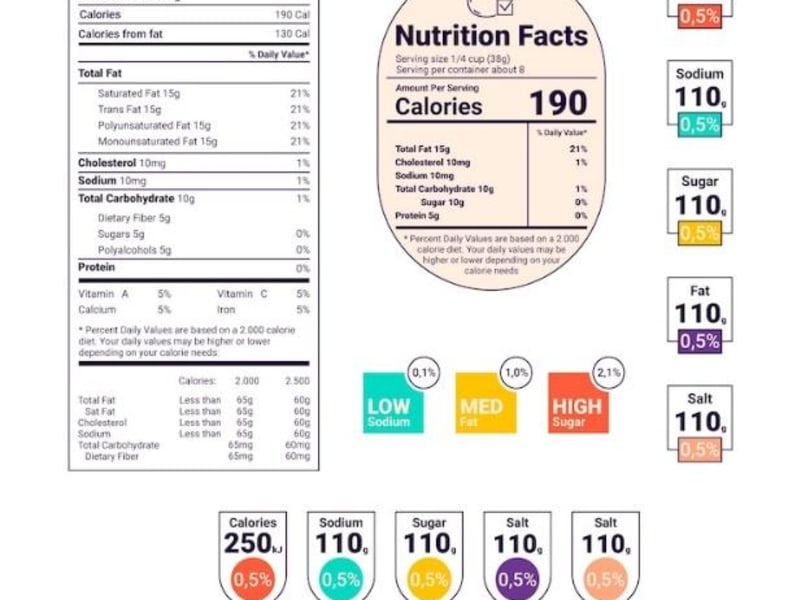
Nutrition labels are designed to inform — but food manufacturers often make them difficult to interpret. This expert guide walks through every section of a nutrition label, exposing the common tricks used to mislead consumers and showing you what to actually look for.
April 14, 2026
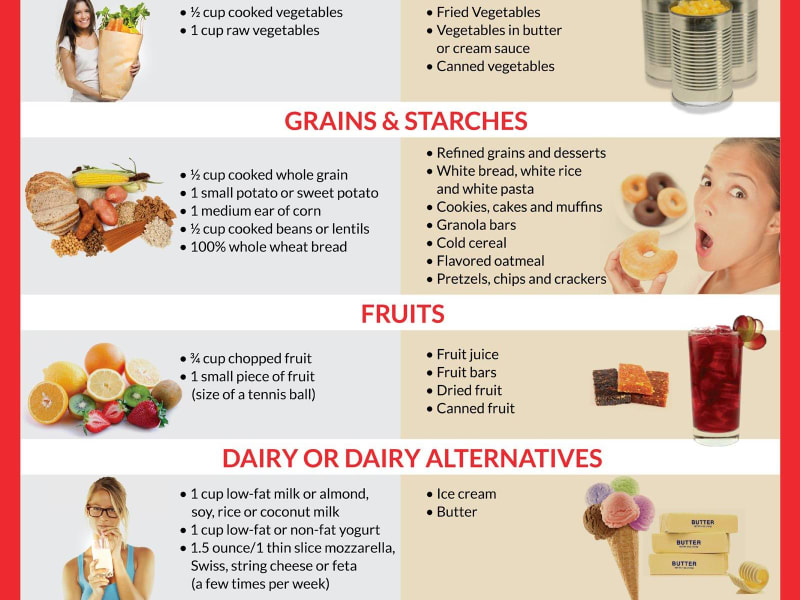
The carbohydrate debate is more nuanced than "eat less carbs." The quality of carbohydrates — their fibre content, processing level, and glycaemic impact — matters far more than their mere presence in your diet. Here's the science behind the distinction.
April 14, 2026

Most official protein recommendations were set to prevent deficiency — not to optimise health, muscle mass, or longevity. New research suggests the real requirements are significantly higher than the standard RDA, particularly for active adults and older populations.
April 13, 2026