

Free Helpline
We are here to assist you.
Health Advisor
+91-8877772277Available 7 days a week
10:00 AM – 6:00 PM to support you with urgent concerns and guide you toward the right care.

We are here to assist you.
Health Advisor
+91-8877772277Available 7 days a week
10:00 AM – 6:00 PM to support you with urgent concerns and guide you toward the right care.
Discover the surprising health benefits of elevating your legs. Learn how this simple practice can improve circulation, reduce swelling, ease pain, and support vein health. Find out the best ways to do it and when to consult a doctor.

In our busy lives, we often find ourselves either sitting for long hours at our desks or standing for extended periods. While we might not give it much thought, this prolonged immobility can take a toll on our legs. But what if a simple act, like putting your feet up, could offer significant health benefits? Elevating your legs, a practice as old as time, is gaining recognition for its positive impact on circulation, swelling, and overall leg comfort. This article explores the surprising advantages of this seemingly basic maneuver, detailing how it works, which conditions it can help manage, and essential precautions to keep in mind.
The magic behind elevating your legs lies in a fundamental force: gravity. Our veins work tirelessly to return deoxygenated blood from our lower extremities back to the heart. Unlike arteries, which have the heart's pumping action to propel blood, veins rely on a more delicate system involving one-way valves and the contraction of surrounding muscles. When you stand or sit for long periods, blood in your legs has to fight against gravity to make this journey. However, when you lie down and raise your legs above the level of your heart, gravity becomes your ally. This simple shift allows blood to flow more easily back towards your heart, improving circulation in your legs.
As mentioned, gravity plays a significant role here. By positioning your legs higher than your heart, you facilitate the return of blood to the core. This is particularly beneficial for individuals who experience sluggish circulation or have jobs that require prolonged sitting or standing. Better blood flow means more oxygen and nutrients reach your leg tissues, and waste products are removed more efficiently. Think of it like clearing a traffic jam on a highway; elevating your legs helps the blood move more freely.
Swelling in the legs, medically known as edema, often occurs due to the accumulation of excess fluid or inflammation. This can be caused by various factors, including injury, certain medical conditions, or even just a long day on your feet. Elevating your legs helps this excess fluid drain away more effectively through the lymphatic system and veins. When your legs are raised, gravity assists in moving the fluid from the lower extremities back towards the center of your body, thereby reducing puffiness and discomfort.
Standing or sitting for extended durations can cause blood to pool in the veins of your legs. This pooling increases the pressure within these veins, which can, over time, contribute to the development or worsening of conditions like varicose veins. By elevating your legs, you help to alleviate this pooled blood, thus reducing the pressure on your vein walls. This can provide immediate relief from the heavy, aching sensation often associated with tired legs.
After a long day of walking, standing, or even sitting, your legs can feel heavy, tired, and sore. Elevating your legs offers a simple yet effective way to soothe this discomfort. It allows the muscles to relax and the blood to circulate more freely, easing the tenderness and fatigue. Many people find that just 15-20 minutes of leg elevation can make a world of difference.
While beneficial for general leg comfort, elevating your legs can be especially useful in managing or preventing certain health conditions:
Prolonged inactivity, whether from sitting or standing, is a known risk factor for various vein issues. Leg elevation can play a supportive role in managing:
If you've experienced a leg injury or undergone leg surgery, swelling and pain are common. Elevating your legs, as recommended by your healthcare provider, can significantly help reduce inflammation, ease pain, and promote healing by improving circulation and fluid drainage.
Getting the most out of leg elevation is simple. Here’s how:
Scenario: Meena, a 45-year-old accountant, often complains of swollen ankles and a persistent ache in her calves after a long day at her desk. She started incorporating a 20-minute leg elevation routine every evening before dinner. Within a few weeks, she noticed a significant reduction in swelling and a considerable easing of the discomfort, allowing her to enjoy her evenings more.
While generally safe, there are a few things to keep in mind:
Aim for 15-20 minutes per session, several times a day. Listen to your body; if it feels good, you can continue for a bit longer, but avoid overdoing it.
Yes, it can help reduce the pressure and pooling of blood in the veins, which may alleviate symptoms like aching and heaviness associated with varicose veins. It's a supportive measure, not a cure.
Generally, yes, for most people with controlled high blood pressure. However, if you have any concerns or other serious health conditions, it's always best to check with your doctor first.
You can achieve a similar effect by propping your legs up on a footstool or a stack of pillows while sitting in a recliner. The key is to get your legs above the level of your heart.
Elevating your legs is a remarkably simple, accessible, and effective practice that can offer substantial benefits for your leg health and overall well-being. By understanding how it works and incorporating it into your daily routine, you can combat the negative effects of prolonged sitting or standing, improve circulation, reduce swelling, and find relief from tired, achy legs. Remember to listen to your body and consult your healthcare provider for personalized advice, especially if you have pre-existing health conditions. So, next time you have a moment, why not put your feet up and let gravity do the work?
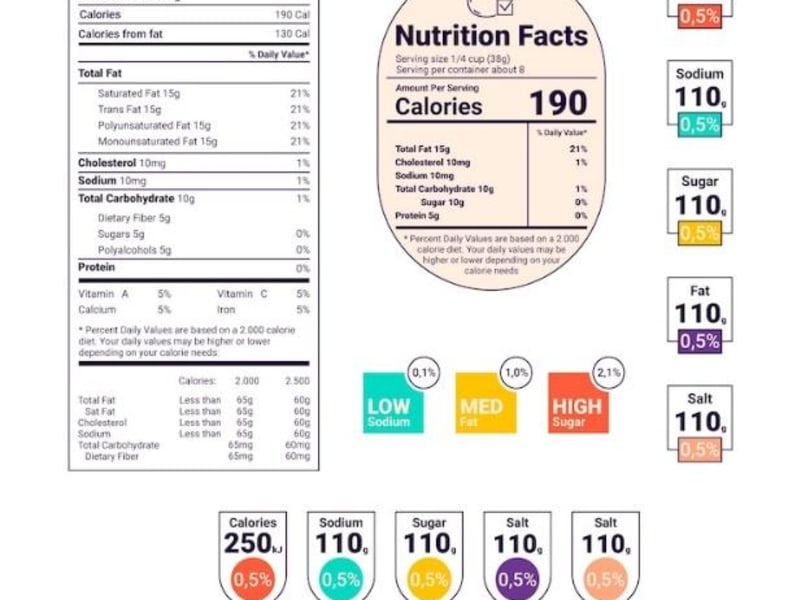
Nutrition labels are designed to inform — but food manufacturers often make them difficult to interpret. This expert guide walks through every section of a nutrition label, exposing the common tricks used to mislead consumers and showing you what to actually look for.
April 14, 2026

The carbohydrate debate is more nuanced than "eat less carbs." The quality of carbohydrates — their fibre content, processing level, and glycaemic impact — matters far more than their mere presence in your diet. Here's the science behind the distinction.
April 14, 2026
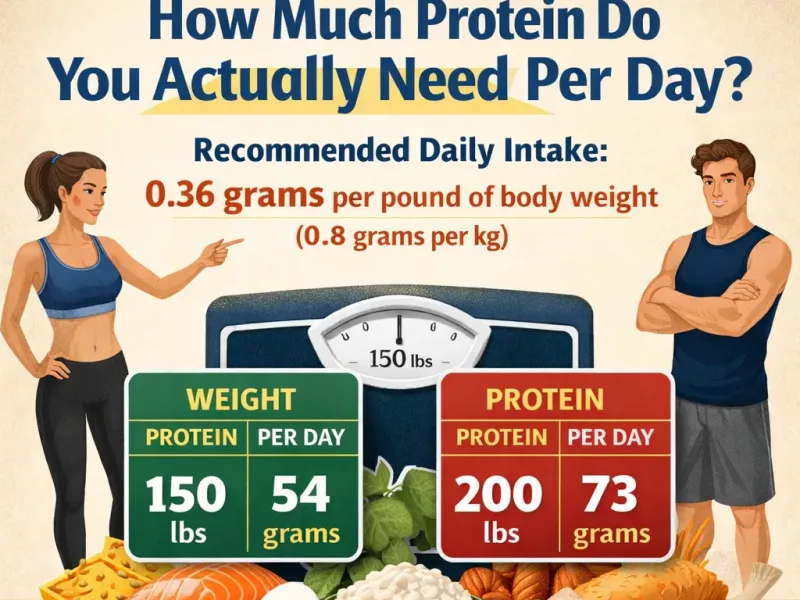
Most official protein recommendations were set to prevent deficiency — not to optimise health, muscle mass, or longevity. New research suggests the real requirements are significantly higher than the standard RDA, particularly for active adults and older populations.
April 13, 2026