

Free Helpline
We are here to assist you.
Health Advisor
+91-8877772277Available 7 days a week
10:00 AM – 6:00 PM to support you with urgent concerns and guide you toward the right care.

We are here to assist you.
Health Advisor
+91-8877772277Available 7 days a week
10:00 AM – 6:00 PM to support you with urgent concerns and guide you toward the right care.
Explore the ancient practice of dry brushing: its benefits for skin exfoliation and circulation, and the scientific reality behind its effectiveness for reducing cellulite. Learn how to do it safely.

Many of us have seen or heard about dry brushing, a skincare practice that involves using a stiff-bristled brush on your skin. It’s often touted as a natural way to achieve smoother, healthier-looking skin, and some even claim it can reduce cellulite. But what’s the real story? Does dry brushing actually work for cellulite, or is it just another beauty trend? Let’s explore what this practice is, its potential benefits, and importantly, what science says about its effects on cellulite.
Cellulite is a very common skin condition that affects a vast majority of women, typically appearing on the thighs, buttocks, and hips. It’s characterized by a dimpled or lumpy texture, often described as looking like an orange peel. It's important to remember that cellulite is completely normal. Around 80% to 90% of women develop cellulite after puberty. This isn't a sign of poor health or being overweight; it's simply a natural part of how fat is distributed under the skin, influenced by connective tissue structure.
The appearance of cellulite is due to the way fat cells push up against the skin, while the connective tissues underneath pull down. Imagine a mattress where the springs (connective tissue) are pulling down, and the padding (fat cells) is pushing up – this creates those familiar dimples. Because dry brushing doesn't alter the underlying connective tissue or redistribute fat cells, its direct impact on cellulite is questionable.
Dry brushing, also known as ‘Gharshana’ in Ayurvedic tradition, is a technique that involves using a natural-bristle brush to gently sweep across your skin. This is done on dry skin, before showering. The practice has roots in ancient Indian and Egyptian cultures and has been a part of Ayurvedic medicine for centuries, valued for its detoxifying and invigorating properties.
While the jury is still out on its effectiveness for cellulite, dry brushing does offer several other skin benefits:
This is where things get a bit nuanced. Currently, there is no strong scientific evidence to support the claim that dry brushing directly reduces or eliminates cellulite. The experts agree: dry brushing does not change the underlying structure that causes cellulite.
The appearance of cellulite is determined by the interaction between fat cells and connective tissue bands beneath the skin. Dry brushing, while it can improve skin texture and circulation temporarily, does not affect these deeper structures. Any immediate smoothing effect you might notice after dry brushing is likely due to increased blood flow temporarily plumping the skin, but this effect is temporary and does not address the root cause of cellulite.
While some studies have shown positive results for cellulite reduction with other treatments like Extracorporeal Shockwave Therapy (ESWT) or topical creams containing ingredients like caffeine and retinol, dry brushing itself hasn't been shown to achieve similar outcomes in rigorous scientific trials.
If you're interested in experiencing the exfoliating and invigorating benefits of dry brushing, here's how to do it safely:
Imagine Priya, a 35-year-old homemaker, who has noticed more prominent cellulite on her thighs recently. She’s seen social media posts raving about dry brushing for cellulite and decides to try it. She buys a natural bristle brush and diligently dry brushes her legs every morning before her shower. While she notices her skin feels smoother and looks a bit brighter, the dimpled appearance of her cellulite hasn't changed significantly after a few weeks. She’s a little disappointed about the cellulite claims but enjoys the refreshing feeling and improved skin texture she experiences daily.
While dry brushing is generally safe for most people, it's always wise to consult a healthcare professional if you have any underlying skin conditions or concerns. If you are particularly bothered by the appearance of cellulite and are looking for effective treatment options, a dermatologist can discuss scientifically proven methods such as:
A doctor can help you understand the causes of cellulite and what treatments might be most effective for your specific situation.
A: No, there is no scientific evidence that dry brushing can make cellulite disappear completely. While it may temporarily improve skin appearance due to increased blood flow, it does not address the underlying causes of cellulite.
A: Most people dry brush daily or a few times a week. Start with a few times a week and see how your skin responds. If your skin tolerates it well, you can gradually increase the frequency.
A: It shouldn't be painful. If you experience pain, redness, or irritation, you are likely using too much pressure or the brush bristles are too harsh for your skin. Adjust your technique and pressure accordingly.
A: Yes, men can also benefit from the exfoliating and invigorating effects of dry brushing, regardless of whether they have cellulite.
A: When done correctly, side effects are minimal. However, over-brushing or using excessive pressure can lead to skin irritation, redness, or micro-tears. Avoid dry brushing on sensitive or broken skin.

Nutrition labels are designed to inform — but food manufacturers often make them difficult to interpret. This expert guide walks through every section of a nutrition label, exposing the common tricks used to mislead consumers and showing you what to actually look for.
April 14, 2026
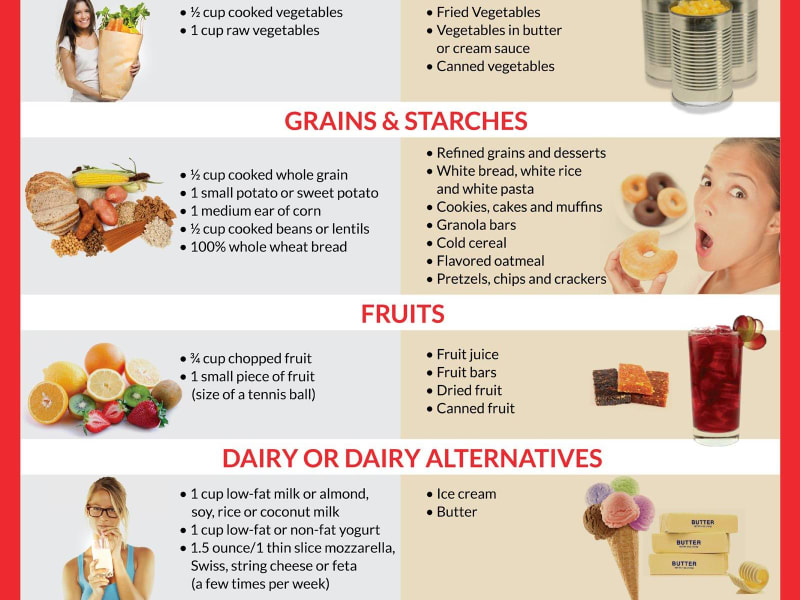
The carbohydrate debate is more nuanced than "eat less carbs." The quality of carbohydrates — their fibre content, processing level, and glycaemic impact — matters far more than their mere presence in your diet. Here's the science behind the distinction.
April 14, 2026

Most official protein recommendations were set to prevent deficiency — not to optimise health, muscle mass, or longevity. New research suggests the real requirements are significantly higher than the standard RDA, particularly for active adults and older populations.
April 13, 2026