

Free Helpline
We are here to assist you.
Health Advisor
+91-8877772277Available 7 days a week
10:00 AM – 6:00 PM to support you with urgent concerns and guide you toward the right care.

We are here to assist you.
Health Advisor
+91-8877772277Available 7 days a week
10:00 AM – 6:00 PM to support you with urgent concerns and guide you toward the right care.
Explore the world of face masks! Learn which ingredients work for your skin type, understand different mask types, and discover how to use them effectively for a healthy glow. Plus, know when to consult a doctor.

In today's world, the beauty and skincare industry is booming, and face masks have become a popular addition to many people's routines. You see them everywhere – on social media, in magazines, and even in your friend's bathroom cabinet. From creamy concoctions to sheet masks that look like something out of a sci-fi movie, the variety is astounding. But beyond the Instagram-worthy appeal, do these masks actually deliver on their promises? Are they a genuine skincare booster or just a fleeting trend? The truth is, the effectiveness of a face mask largely depends on what you're trying to achieve and, most importantly, the ingredients it contains. As Dr. Nikhil Dhingra, a board-certified dermatologist, explains, 'Face masks can be an effective way to deliver an intensive burst of nourishing and therapeutic skin care ingredients in a highly concentrated form.' Think of them as a potent, short-term treatment that can give your skin a significant boost. While they might offer a quick fix for temporary issues like dryness or a bit of redness, their benefits are generally not long-lasting. For sustained improvements, you'll want to use face masks as a supplement to your regular, effective skincare routine, not as a replacement. It's also worth noting Dr. Dhingra's caution: 'Doing a mask for the sake of doing something for your skin can be risky and lead to a surprising number of issues, including dryness, irritation, redness, and breakouts.' This highlights the importance of choosing a mask that aligns with your specific skin type and concerns. Using the wrong mask, or using one too frequently, can potentially do more harm than good. So, before you grab the latest trending mask, let's break down how to choose one that will truly benefit your skin. Understanding Your Skin's Needs The first and most critical step in selecting the right face mask is understanding your own skin. What are your primary concerns? Are you battling acne, dealing with dryness, noticing fine lines, or concerned about dark spots? Your skin type and its specific issues will guide you to the ingredients that will be most beneficial. For Acne-Prone and Oily Skin If your skin tends to get oily and you're prone to breakouts, you're looking for ingredients that can help manage oil production and clear out pores. While face masks aren't a magic bullet for long-term acne solutions, they can certainly help calm inflammation and prevent future breakouts. What should you look for? Salicylic Acid: This beta-hydroxy acid (BHA) is oil-soluble, meaning it can penetrate deep into your pores to dissolve sebum and dead skin cells that cause acne. Benzoyl Peroxide: A well-known ingredient for fighting acne-causing bacteria. Clay and Charcoal: These ingredients are excellent at absorbing excess oil and impurities from the skin's surface, giving your pores a deep clean. Yogurt and Papaya: On the natural side, ingredients like yogurt and papaya contain enzymes that can help exfoliate dead skin cells, preventing pores from becoming clogged. A common scenario: You wake up with a few angry red pimples before an important event. A targeted mask with salicylic acid or clay can help reduce the redness and inflammation quickly, making your skin look calmer by the time you need to go out. For Dry and Dehydrated Skin Dry skin needs hydration, and masks can deliver this effectively. Look for ingredients that attract and retain moisture: Hyaluronic Acid: This powerhouse ingredient can hold up to 1,000 times its weight in water, making it incredibly effective at hydrating the skin. Avocado and Shea Butter: These natural moisturizers are rich in fatty acids and vitamins, helping to soften and smooth dry, flaky skin. Oatmeal: Known for its soothing properties, oatmeal can calm irritation and provide a gentle barrier to lock in moisture. For Hyperpigmentation and Dark Marks If you're dealing with dark spots, acne scars, or uneven skin tone, you'll want ingredients that can lighten and brighten: Vitamin C: A potent antioxidant, vitamin C not only brightens the skin but also helps to boost collagen production and protect against environmental damage that can worsen pigmentation. Kojic Acid, Azelaic Acid, and Licorice Root Extract: These ingredients work by inhibiting melanin production, the pigment responsible for dark spots. Alpha Hydroxy Acids (AHAs) like Lactic Acid, and Pineapple Enzymes: These exfoliants help to slough off the dead, discolored skin cells, revealing brighter skin underneath. For Aging Skin and Fine Lines While face masks won't erase deep wrinkles (that often requires professional treatments), they can certainly help minimize the appearance of fine lines and improve skin's firmness. Key ingredients include: Vitamin C: As mentioned, its collagen-boosting properties help firm the skin. Vitamin E, Resveratrol, and Ferulic Acid: These antioxidants work together to protect your skin from free radical damage caused by pollution and sun exposure, which contributes to aging. Types of Face Masks and Their Benefits Once you know your ingredients, you can choose the right type of mask. Here's a look at some popular options: Cream Masks These are typically rich and moisturizing, often containing ingredients like oils, butters, and humectants. They are excellent for dry, mature, or sensitive skin. They feel luxurious and provide deep hydration. Clay Masks Clay masks, including those made with kaolin, bentonite, or French green clay, are fantastic for oily and combination skin. They work by drawing out impurities, absorbing excess oil, and gently exfoliating the skin. They can leave your skin feeling deeply cleansed and refreshed. Charcoal Masks Similar to clay masks in their oil-absorbing abilities, charcoal masks use activated charcoal to pull toxins and impurities from the pores. They are particularly effective for decongesting pores and can give the skin a clearer appearance. Sheet Masks These are fabric masks soaked in a serum or essence. They are convenient and offer a burst of hydration or targeted treatment depending on the serum. They create an occlusive barrier, allowing the ingredients to penetrate the skin more effectively during the short wear time. Peel-Off Masks These masks form a film on the skin that you peel off. They can help remove dead skin cells and some surface impurities. However, some peel-off masks can be too harsh and may irritate the skin, especially if they contain alcohol or strong fragrances. Use with caution and opt for gentler formulations. Exfoliating Masks These masks use either physical exfoliants (like fine grains) or chemical exfoliants (like AHAs or BHAs) to remove dead skin cells. They help improve skin texture, brightness, and can aid in preventing clogged pores. Be careful not to over-exfoliate, especially if you're already using other exfoliating products. How to Use Face Masks Effectively Simply applying a mask isn't enough; using it correctly maximizes its benefits and minimizes risks. Cleanse First: Always apply a face mask to clean, dry skin. This ensures that the active ingredients can penetrate effectively without being blocked by makeup, dirt, or oil. Follow Instructions: Pay close attention to the recommended application time. Leaving a mask on for too long, especially an active one, can lead to irritation, dryness, or redness. A formula designed for 10 minutes should not be left on for an hour. Patch Test: If you have sensitive skin or are trying a new mask with potent ingredients, do a patch test on a small, inconspicuous area (like behind your ear or on your inner arm) 24 hours before applying it to your face. Frequency Matters: Most masks are intended for use once or twice a week. Overusing masks, even hydrating ones, can disrupt your skin's natural balance. Listen to Your Skin: If a mask stings, burns, or causes excessive redness, rinse it off immediately. Your skin's comfort is a key indicator of whether a product is right for you. When to Be Cautious While face masks can be beneficial, they aren't always the right choice for every situation. If you have active, inflamed acne, open wounds, sunburn, or a known sensitivity to certain ingredients, it's best to avoid masks or consult with a dermatologist first. For instance, if you have a severe sunburn, applying a mask might worsen the irritation and delay healing. When to Consult a Doctor A face mask is a cosmetic treatment, not a medical one. If you have persistent skin conditions like severe acne, eczema, rosacea, or any other dermatological concern, a face mask is unlikely to resolve the underlying issue. In these cases, it's essential to seek professional advice from a dermatologist. They can provide an accurate diagnosis and recommend appropriate medical treatments tailored to your specific condition. Frequently Asked Questions (FAQ) How long should I leave a face mask on? This depends entirely on the type of mask and its ingredients. Generally, masks designed for deep cleansing or active ingredients might be left on for 10-15 minutes. Hydrating or soothing masks might be suitable for longer periods, but always refer to the product's instructions. Leaving a mask on longer than recommended can cause irritation. Can I use a face mask every day? For most people, using a face mask every day is not recommended. Overuse can strip the
In summary, timely diagnosis, evidence-based treatment, and prevention-focused care improve long-term health outcomes.
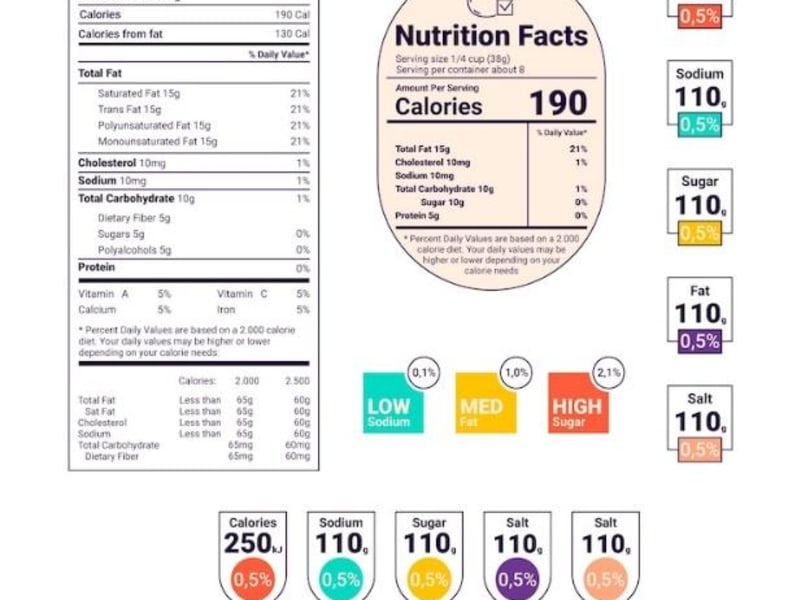
Nutrition labels are designed to inform — but food manufacturers often make them difficult to interpret. This expert guide walks through every section of a nutrition label, exposing the common tricks used to mislead consumers and showing you what to actually look for.
April 14, 2026
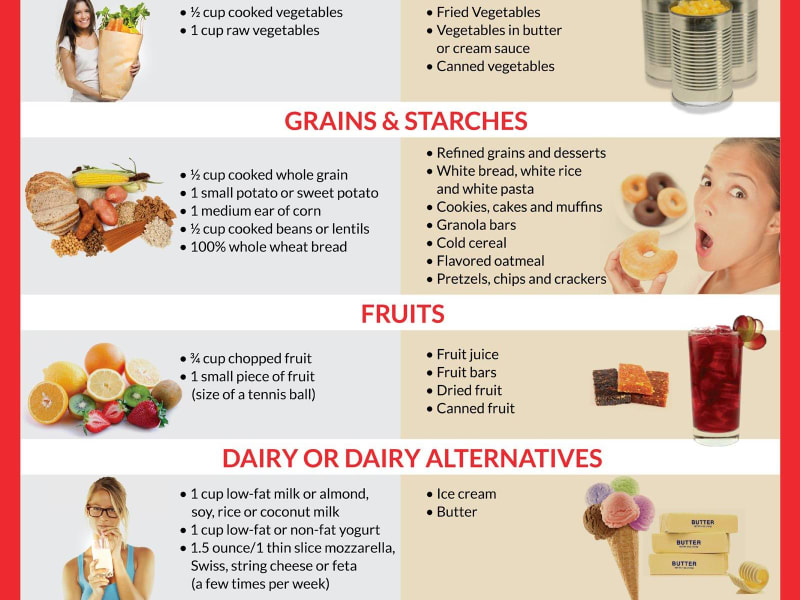
The carbohydrate debate is more nuanced than "eat less carbs." The quality of carbohydrates — their fibre content, processing level, and glycaemic impact — matters far more than their mere presence in your diet. Here's the science behind the distinction.
April 14, 2026
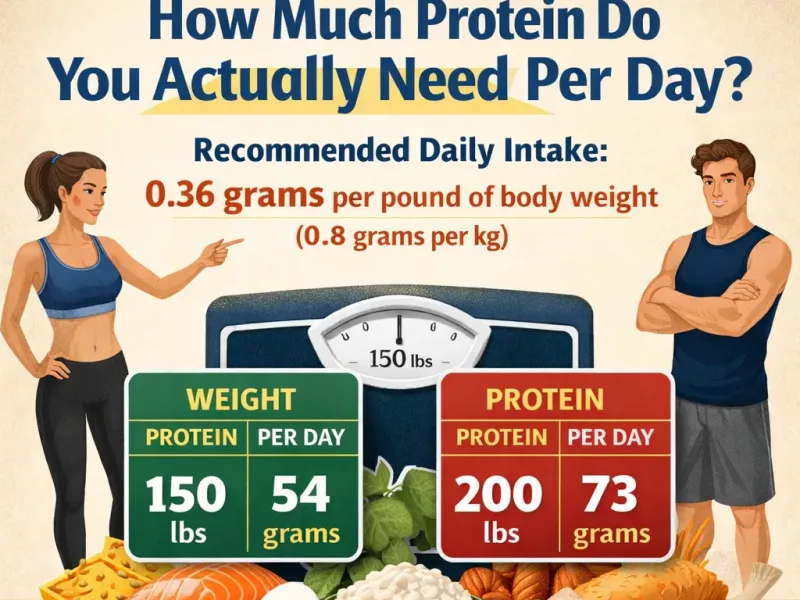
Most official protein recommendations were set to prevent deficiency — not to optimise health, muscle mass, or longevity. New research suggests the real requirements are significantly higher than the standard RDA, particularly for active adults and older populations.
April 13, 2026