

Free Helpline
We are here to assist you.
Health Advisor
+91-8877772277Available 7 days a week
10:00 AM – 6:00 PM to support you with urgent concerns and guide you toward the right care.

We are here to assist you.
Health Advisor
+91-8877772277Available 7 days a week
10:00 AM – 6:00 PM to support you with urgent concerns and guide you toward the right care.
Discover the ancient secret to lustrous locks! Learn how to make and use simple, effective DIY olive oil hair masks to combat dryness, frizz, and damage, leaving your hair soft, shiny, and healthy. Perfect for Indian hair types.

Olive oil, a staple in Indian kitchens for centuries, offers more than just culinary delights. Its remarkable properties have been harnessed for centuries to nourish and protect skin and hair. If you're seeking a natural, effective way to boost your hair's health, shine, and manageability, look no further than a DIY olive oil hair mask. This ancient remedy, backed by some modern research, can transform dry, damaged, or dull hair into a vibrant cascade of health.
While scientific studies specifically on olive oil for hair are limited, the existing research and anecdotal evidence are compelling. Olive oil is rich in healthy monounsaturated fats and antioxidants like Vitamin E. A review of studies from 2017 highlighted that squalene, a compound found in virgin olive oil, acts as an excellent moisturizer. Furthermore, a 2010 study suggested that nutrients within the Vitamin E family might play a role in promoting hair growth. These components work together to hydrate the hair shaft, protect it from damage, and potentially encourage a healthier growth cycle.
Think of your hair shaft like a tiny, layered structure. Oils with monounsaturated fats, like olive oil, can penetrate these layers more effectively than polyunsaturated oils. This deeper penetration means more intense conditioning and protection.
Olive oil hair masks are particularly beneficial for:
While olive oil is generally safe, it's wise to exercise caution if you have:
Making your own olive oil hair mask is simple and cost-effective. Always start with high-quality extra virgin olive oil. Ensure the label confirms it's pure olive oil with no added ingredients.
Ingredients:
Instructions:
You can enhance your olive oil mask with other natural ingredients:
Proper application ensures you get the most out of your mask. Here’s how:
Consider this scenario: Priya, a homemaker in Delhi, noticed her hair had become extremely dry and frizzy after months of using harsh water and heat styling. She decided to try a simple olive oil mask before her weekly hair wash. After leaving it on for an hour, she washed her hair as usual and was delighted to find her hair felt softer and looked noticeably less frizzy.
For most hair types, using an olive oil hair mask once a week or once every two weeks is sufficient. Those with very dry or damaged hair might benefit from weekly treatments, while those with finer or oilier hair should opt for less frequent applications, perhaps once a month.
While olive oil masks are generally safe and beneficial for hair health, it's important to consult a doctor or a dermatologist if you experience persistent scalp issues like severe itching, redness, scaling, or hair loss. These could be signs of underlying medical conditions that require professional diagnosis and treatment. Always remember that home remedies are complementary and not a substitute for medical advice.
Q1: Can I leave an olive oil hair mask on overnight?
A: While possible, it's generally recommended to leave it on for a maximum of 2 hours. Leaving it on overnight can make hair excessively greasy and difficult to wash out completely, potentially leading to clogged pores.
Q2: How much olive oil should I use?
A: The amount varies based on your hair's length and thickness. Start with 2 tablespoons for short to medium hair and up to 1/4 cup for long, thick hair. It's better to start with less and add more if needed.
Q3: Will olive oil make my hair grow faster?
A: While olive oil nourishes the scalp and hair, potentially contributing to healthier growth by preventing breakage, there's no direct scientific evidence that it significantly speeds up the rate of hair growth.
Q4: Can I use regular olive oil or does it have to be extra virgin?
A: Extra virgin olive oil is recommended because it's less processed and retains more of its beneficial nutrients, antioxidants, and squalene compared to refined olive oils.
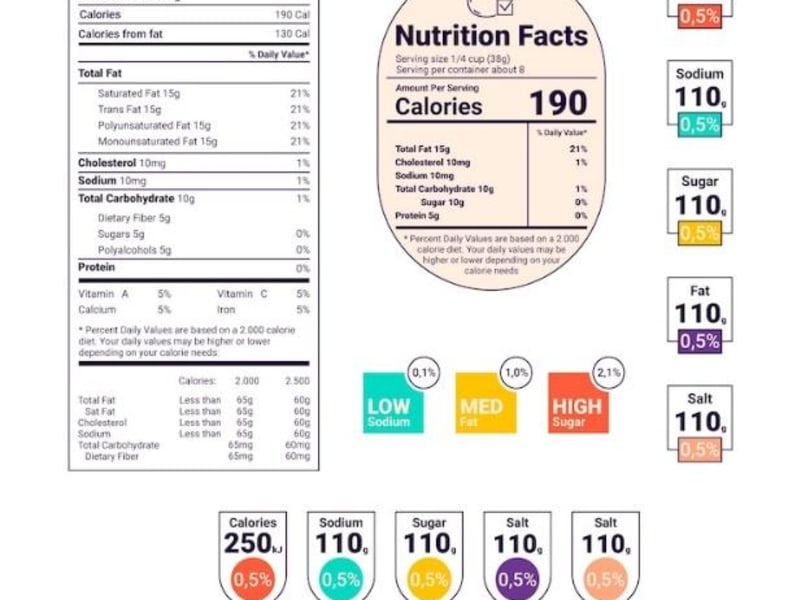
Nutrition labels are designed to inform — but food manufacturers often make them difficult to interpret. This expert guide walks through every section of a nutrition label, exposing the common tricks used to mislead consumers and showing you what to actually look for.
April 14, 2026
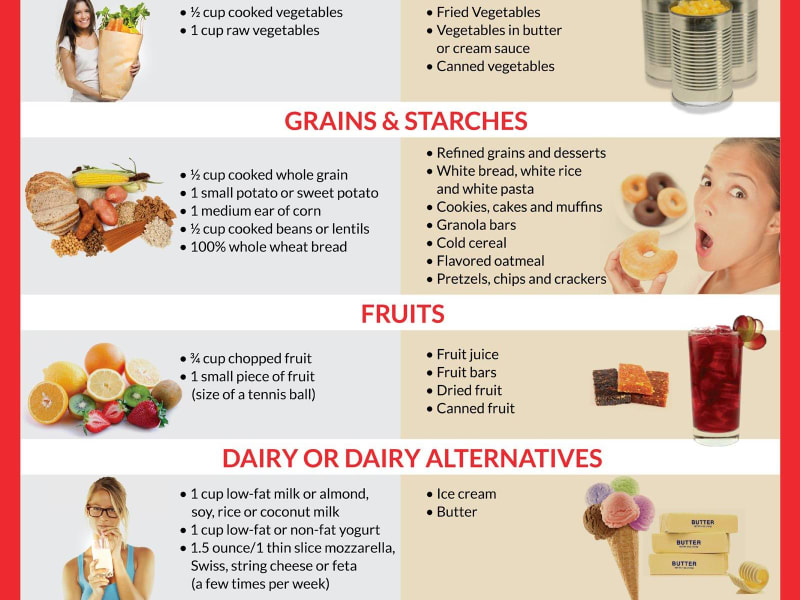
The carbohydrate debate is more nuanced than "eat less carbs." The quality of carbohydrates — their fibre content, processing level, and glycaemic impact — matters far more than their mere presence in your diet. Here's the science behind the distinction.
April 14, 2026
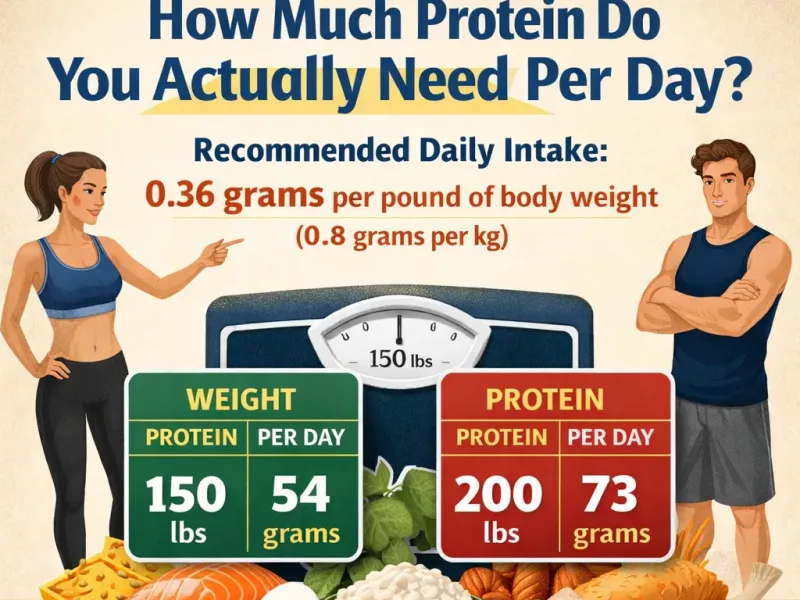
Most official protein recommendations were set to prevent deficiency — not to optimise health, muscle mass, or longevity. New research suggests the real requirements are significantly higher than the standard RDA, particularly for active adults and older populations.
April 13, 2026