

Free Helpline
We are here to assist you.
Health Advisor
+91-8877772277Available 7 days a week
10:00 AM – 6:00 PM to support you with urgent concerns and guide you toward the right care.

We are here to assist you.
Health Advisor
+91-8877772277Available 7 days a week
10:00 AM – 6:00 PM to support you with urgent concerns and guide you toward the right care.
Explore the 4 main butt shapes – Square, Inverted V, A-shaped (Pear), and Round. Understand what influences your shape and get practical tips for choosing clothes that fit and flatter your unique physique.

Your body is a masterpiece, and every part of it, including your butt, is unique and beautiful. Just like faces or handprints, no two derrieres are identical. While we often hear about body types, did you know that your butt also has distinct shapes? Plastic surgeons, in their practice, categorize butt shapes into a few main types to help understand proportions and aesthetics. These categories aren't about judgment or comparison; they're simply a way to describe the natural variations in how our bodies are shaped. Think of it as a fun way to appreciate your own body's geometry and perhaps even make choosing clothes a little easier! These classifications are based on the general ratios between your waist, hips, and thighs. It's not a strict science, but rather a helpful guide. Understanding these shapes can be particularly useful when you're shopping for jeans or underwear, helping you find styles that fit comfortably and flatter your natural form. So, let's explore the four primary butt shapes identified by cosmetic surgeons, and you can discover which one resonates most with your own unique physique. Remember, every shape is wonderful! The 4 Main Butt Shapes Plastic surgeons often refer to four main categories when discussing butt shapes. These are determined by the way fat is distributed and the underlying skeletal structure, including the position of your hip bones and pelvis, and how your gluteal muscles attach to your thigh bones. Genetics also plays a significant role, dictating your bone structure and where your body naturally stores fat. Hormones, age, and overall weight fluctuations can also influence your butt's shape over time. Let's break down each shape: 1. The Square (or H-Shaped) Butt If the line from your hip bone down to your outer thigh is relatively straight, you likely have a square or H-shaped butt. This shape is characterized by a less defined curve between the waist and the hips. Some individuals with this shape might notice prominent hip bones, sometimes referred to as 'hip dips,' or a bit of extra fat in the flank area, often called 'love handles.' This shape tends to have a similar width from the waist to the hips and then down to the thighs. What to consider for clothing: Underwear: Styles like boy shorts, bikinis, or thongs tend to be more comfortable and flattering than high-cut options, as they provide consistent coverage. Jeans: High-waisted pants might offer a more comfortable fit. Low-rise jeans might not be the most flattering for this shape. Real-life scenario: Priya was always frustrated trying to find jeans that fit well. She loved the style of low-rise jeans but found they never sat right on her hips, often leaving a gap at the back. After learning about butt shapes, she realized her straighter hip line might be the reason and started trying mid-rise and high-rise styles, which instantly improved the fit and comfort. 2. The Inverted V (or V-Shaped) Butt This shape is characterized by a fuller upper buttock area, tapering towards the lower cheeks. It often creates an inward angle between the pelvis and the hips, resembling an upside-down 'V'. This can occur when the hip bones are higher and the gluteal muscles attach in a way that gives this characteristic V-shape. The fullness is concentrated higher up, giving a lift to the upper part of the buttocks. What to consider for clothing: Underwear: Styles that offer more coverage for the butt cheeks, such as hipsters, briefs, or boy shorts, are often preferred. High-cut leg holes might feel less comfortable. Jeans: Look for jeans with fuller pockets positioned lower on the back, or those with fading on the bottom part of the cheeks. Stretch-fit denim is a great choice as it conforms to your shape without flattening it. 3. The A-Shaped (or Pear-Shaped) Butt An A-shaped or pear-shaped butt is defined by a tapered waistline and a more significant distribution of fat in the lower part of the butt and thighs. From behind, this shape gives the illusion of an inverted heart, with the widest part being the lower hips and buttocks. This shape is very common and is often associated with a 'pear-shaped' overall body type, where the lower body is wider than the upper body. What to consider for clothing: Underwear: Underwear with high-cut legs or larger leg openings, like high-cut panties, tangas, or bikinis, tend to be comfortable and complement this shape well. Jeans: Mid-rise jeans designed for curvier figures, especially those made from stretchy denim, are excellent choices. They help minimize gaping at the waist and offer a smooth silhouette. 4. The Round (or O-Shaped) Butt The round or O-shaped butt is perhaps what many would consider the classic curvy shape. It features full hips and a generous distribution of fat that rounds out the entire buttock area, including the upper parts. This shape is characterized by its fullness and a distinctly rounded appearance from behind. What to consider for clothing: Underwear: Styles that offer ample fabric at the back, ensuring full coverage and preventing discomfort, are ideal. Tangas and thongs can work well, providing coverage without being overly bulky. Jeans: High-rise, bootcut jeans often look fantastic with this shape. Opt for styles without excessive hand sanding or distressing, as these can enhance the natural curves beautifully. Factors Influencing Your Butt Shape Several elements contribute to the unique shape of your buttocks: Skeletal Structure: The position of your hip bones and pelvis, along with how your gluteal muscles connect to your thigh bones, forms the underlying framework. Genetics: Your genes play a major role in determining your bone structure and how your body distributes fat. Some people naturally store more fat in their hips and glutes, while others store it in their thighs or midsection. Hormones: Hormonal fluctuations, particularly during puberty, pregnancy, and menopause, can affect fat distribution. For instance, after menopause, many women notice a shift in fat storage towards the abdominal area. Age: As we age, our bodies undergo changes. Muscle mass can decrease, and fat distribution shifts, which can subtly alter the shape of the buttocks over time. Weight: Changes in body weight, whether gaining or losing, will naturally impact the size and shape of the buttocks due to variations in fat and muscle mass. It's important to remember that your butt shape isn't static. It can evolve throughout your life due to these various factors. Embrace the changes and appreciate your body at every stage. What Your Butt Shape Means for You Knowing your butt shape isn't about conforming to a certain ideal; it's about understanding your body better. This knowledge can empower you in practical ways, especially when it comes to clothing choices. Finding clothes that fit well can boost your confidence and comfort significantly. For instance, if you have a square shape, you might find that boy shorts offer a smoother line under fitted trousers. If you have an A-shape, choosing jeans with a bit of stretch and a curvy fit can prevent that annoying waistband gap. For those with a round shape, a well-fitting bootcut jean can perfectly balance your silhouette. And for the inverted V, styles that add a little visual weight to the lower part of the butt can be very flattering. Ultimately, the most important thing is to feel comfortable and confident in your own skin. Your body is unique, and its shape is a testament to your individuality. Whether you're shopping for new outfits or simply appreciating your reflection, understanding these shapes can be a fun and helpful tool. When to Consult a Doctor While understanding butt shapes is generally about aesthetics and clothing choices, there are specific situations where you should consult a doctor: Sudden Changes: If you notice a sudden, unexplained change in the shape or size of your buttocks, or if you experience pain, it's wise to seek medical advice. This could indicate an underlying issue. Lumps or Masses: Discovering any new lumps, bumps, or persistent swelling in the buttock area warrants a medical evaluation to rule out any serious conditions. Pain or Discomfort: Persistent pain, numbness, or tingling in the buttocks or legs that impacts your mobility or daily activities should be discussed with your doctor. Concerns about Appearance: If significant changes in shape or size are causing you distress, a doctor or a qualified healthcare professional can discuss your concerns and potential options, if any are medically indicated. Remember, your body's health is paramount. While body shape discussions can be lighthearted, never hesitate to consult a healthcare professional if you have any health concerns. Frequently Asked Questions (FAQ) Q1: Can my butt shape change over time? A: Yes, absolutely! Your butt shape can change due to factors like aging, hormonal shifts (especially after menopause), weight fluctuations, pregnancy, and changes in muscle mass from exercise. It's a natural part of life. Q2: Does sitting for long periods affect butt shape? A: Prolonged sitting can affect muscle tone and posture, which might subtly influence the appearance of your butt over time. However, it doesn't
In summary, timely diagnosis, evidence-based treatment, and prevention-focused care improve long-term health outcomes.
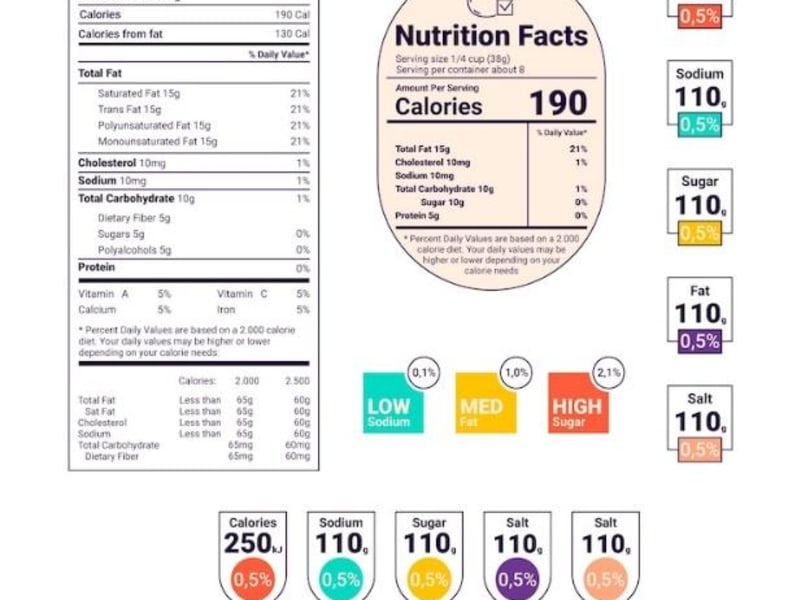
Nutrition labels are designed to inform — but food manufacturers often make them difficult to interpret. This expert guide walks through every section of a nutrition label, exposing the common tricks used to mislead consumers and showing you what to actually look for.
April 14, 2026
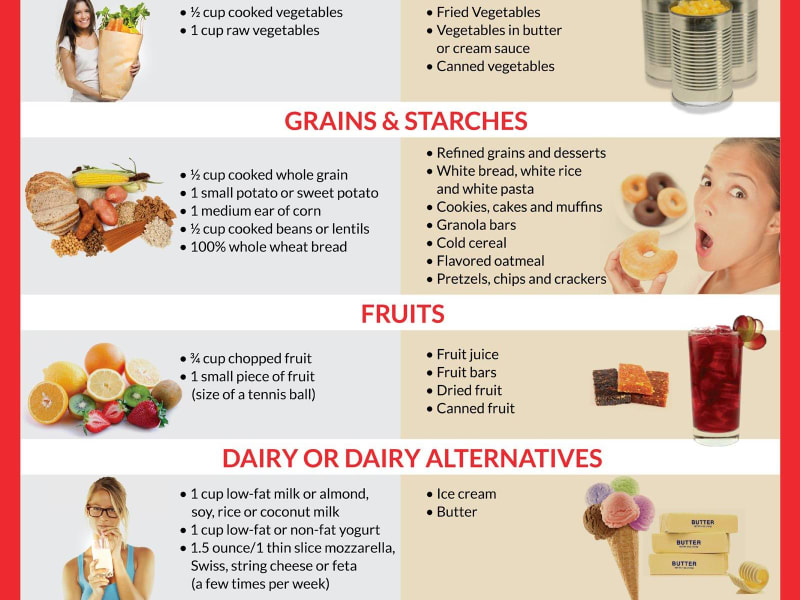
The carbohydrate debate is more nuanced than "eat less carbs." The quality of carbohydrates — their fibre content, processing level, and glycaemic impact — matters far more than their mere presence in your diet. Here's the science behind the distinction.
April 14, 2026
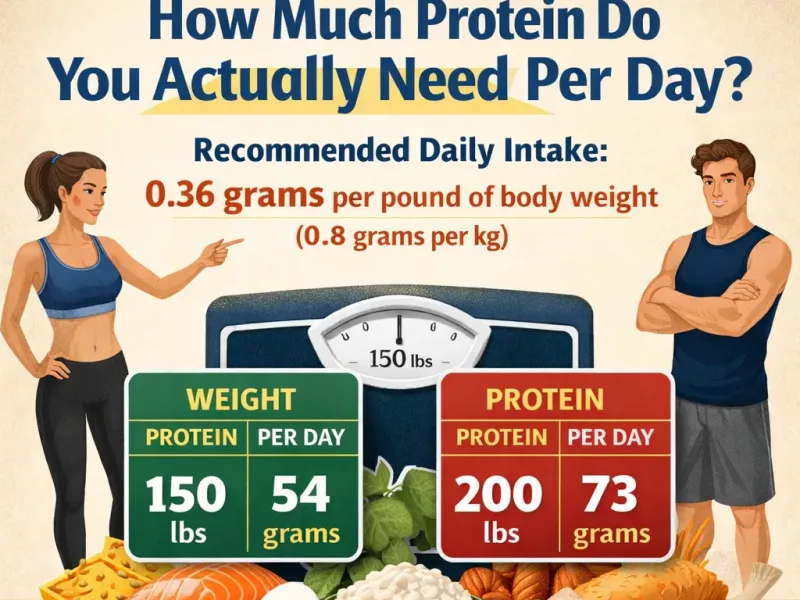
Most official protein recommendations were set to prevent deficiency — not to optimise health, muscle mass, or longevity. New research suggests the real requirements are significantly higher than the standard RDA, particularly for active adults and older populations.
April 13, 2026