

Free Helpline
We are here to assist you.
Health Advisor
+91-8877772277Available 7 days a week
10:00 AM – 6:00 PM to support you with urgent concerns and guide you toward the right care.

We are here to assist you.
Health Advisor
+91-8877772277Available 7 days a week
10:00 AM – 6:00 PM to support you with urgent concerns and guide you toward the right care.
Discover how tears affect your skin and learn practical tips for managing redness, puffiness, and irritation after crying. Plus, find out if crying offers any hidden skin benefits!

We’ve all been there. A sad movie, a frustrating day, or overwhelming joy – and suddenly, the waterworks begin. Tears stream down our faces, and while we might reach for a tissue to mop them up, we often wonder: What is this salty water doing to our skin? Does crying actually have any benefits for our complexion, or is it just a recipe for redness and puffiness? Let’s dive into the science behind tears and explore how to best care for your skin when emotions run high.
It’s a question many of us have pondered, especially after a good cry. The immediate aftermath often involves a flushed face, swollen eyes, and perhaps a few angry red blotches. But could there be a silver lining to shedding tears? It turns out, the answer is a little more complex than a simple yes or no. While tears themselves aren’t a magical skincare elixir, the way we manage our skin *during* and *after* crying can make a significant difference.
Before we explore the impact on your skin, let’s understand what tears are actually made of. Tears are primarily water, yes, but they’re far more sophisticated than that. They contain a complex mixture of oils, antibodies, enzymes, and electrolytes. These components work together to lubricate your eyes, protect them from infection, and flush out irritants. According to the National Eye Institute, tears have three distinct layers:
Interestingly, there are different types of tears. Basal tears are constantly present to keep our eyes moist and protected. Reflex tears are produced in response to irritants like smoke or onion fumes. And then there are emotional tears – the ones we shed when we’re feeling happy, sad, angry, or stressed. Humans are unique in their ability to produce emotional tears, and these tears can have a different composition, often containing stress hormones and natural painkillers.
One of the key factors influencing how tears interact with your skin is pH. pH measures the acidity or alkalinity of a substance on a scale of 0 to 14. A pH of 7 is neutral (like pure water or blood), while lower numbers indicate acidity and higher numbers indicate alkalinity. Our skin’s natural pH is slightly acidic, typically ranging from 4.5 to 5.5. This acidic mantle acts as a protective barrier against bacteria and environmental damage.
Tears, on the other hand, have a slightly higher pH, generally around 7.4. When tears sit on your skin for an extended period, this difference in pH can potentially disrupt your skin’s natural acid mantle. Dr. Melanie Palm, a board-certified dermatologist, explains, “So, while short-term exposure to tears is not harmful, long-term exposure could cause changes in skin hydration or slight irritation due to pH difference.” This imbalance can lead to dryness, redness, and a feeling of tightness.
Beyond the pH issue, the very act of crying can have noticeable physical effects on your face. When you cry, the blood vessels around your eyes, face, and nose dilate. This increased blood flow leads to puffiness, swelling, and that tell-tale redness. It’s your body’s natural response to the emotional and physical exertion of crying.
Furthermore, the way we handle tears can exacerbate these effects. Rubbing your eyes or aggressively wiping your face with tissues can cause friction, leading to further inflammation and irritation. This rubbing can even worsen acne breakouts or contribute to hyperpigmentation in sensitive individuals. Angie Seelal, PA-C, from Advanced Dermatology PC, cautions, “Rubbing your eyes or using certain tissues to wipe your face can affect your skin and cause inflammation, darken the skin, and even irritate acne in some cases.”
So, can we mitigate the less desirable effects of a good cry? Absolutely! The key lies in gentle care and proper hydration.
While tears themselves aren’t a skincare treatment, the act of crying can have some indirect benefits. Releasing emotional tension through tears can be incredibly cathartic, leading to reduced stress levels. Chronic stress is known to negatively impact skin health, contributing to inflammation, breakouts, and premature aging. Therefore, by acting as a natural stress reliever, crying might indirectly contribute to healthier-looking skin in the long run.
Additionally, the electrolytes present in tears, while potentially disruptive in high concentrations on the skin, are essential for bodily functions. Replenishing these through hydration and diet after crying is important for overall well-being, which naturally reflects in your skin’s appearance.
While occasional crying and its temporary effects on the skin are normal, there are times when you should consult a doctor or dermatologist:
Remember, your skin is a reflection of your overall health, both physical and emotional. Taking care of yourself holistically will always lead to the best results.
No, crying itself does not cause permanent dark circles. However, the rubbing and friction associated with crying can temporarily worsen the appearance of dark circles by irritating the delicate skin under the eyes and potentially increasing blood flow, which can make existing darkness more noticeable. Chronic lack of sleep, genetics, and allergies are more common causes of persistent dark circles.
Crying does not directly clear up acne. In fact, the salt and potential irritants in tears, combined with rubbing, can sometimes aggravate existing acne. However, the stress-relief aspect of crying might indirectly benefit acne-prone skin by reducing stress hormones, which are known triggers for breakouts.
Crying before bed can sometimes interfere with sleep due to heightened emotional states. While the emotional release might feel good, the subsequent adrenaline and stress hormones can make it harder to fall asleep. It’s best to try and calm down before sleep, perhaps with a warm bath or gentle stretching, after a crying episode.
For most people, the redness and puffiness from crying subside within a few hours. Following the post-cry skincare steps, like using a cold compress and moisturizing, can significantly speed up this recovery process.

Nutrition labels are designed to inform — but food manufacturers often make them difficult to interpret. This expert guide walks through every section of a nutrition label, exposing the common tricks used to mislead consumers and showing you what to actually look for.
April 14, 2026
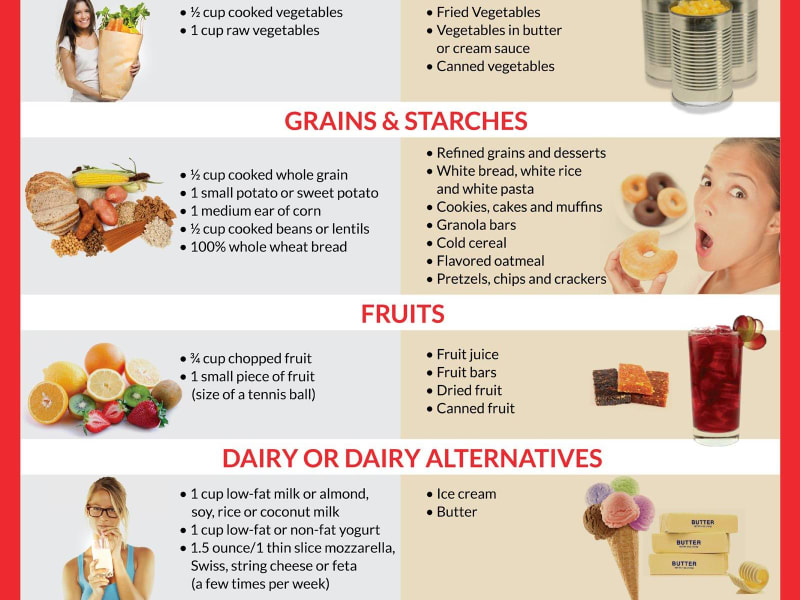
The carbohydrate debate is more nuanced than "eat less carbs." The quality of carbohydrates — their fibre content, processing level, and glycaemic impact — matters far more than their mere presence in your diet. Here's the science behind the distinction.
April 14, 2026

Most official protein recommendations were set to prevent deficiency — not to optimise health, muscle mass, or longevity. New research suggests the real requirements are significantly higher than the standard RDA, particularly for active adults and older populations.
April 13, 2026