

Free Helpline
We are here to assist you.
Health Advisor
+91-8877772277Available 7 days a week
10:00 AM – 6:00 PM to support you with urgent concerns and guide you toward the right care.

We are here to assist you.
Health Advisor
+91-8877772277Available 7 days a week
10:00 AM – 6:00 PM to support you with urgent concerns and guide you toward the right care.
Explore whether cottage cheese fits into the strict animal-based Carnivore Diet. Learn about lactose, additives, and different interpretations of the diet, along with tips for inclusion and alternatives.

The Carnivore Diet, an eating plan exclusively featuring animal products, has gained significant traction for its purported benefits, ranging from weight loss to improved gut health. However, as with any restrictive diet, questions frequently arise regarding specific food items. One such item that often sparks debate among proponents and curious individuals alike is cottage cheese. Is this popular dairy product a suitable addition to a meat-only regimen, or does it violate the core principles of the Carnivore Diet? This comprehensive guide delves into the nuances of cottage cheese and its compatibility with a carnivore lifestyle.
At its core, the Carnivore Diet is an elimination diet that restricts all foods except those derived from animals. This typically includes meat (beef, pork, lamb, poultry), fish, eggs, and certain animal fats. The philosophy behind it is that humans are optimally nourished by animal products alone, and that plant-based foods, even seemingly healthy ones, can cause inflammation, digestive issues, and other health problems for some individuals. Strict adherents often avoid dairy entirely, while others may include some dairy products, particularly those low in lactose.
Cottage cheese is a fresh cheese product made from the curds of pasteurized cow's milk. It is characterized by its mild flavor and creamy, lumpy texture. The manufacturing process involves adding an acid (like vinegar or lemon juice) or a starter culture to milk, causing the milk proteins (casein) to coagulate and form curds. These curds are then washed to remove excess lactic acid and whey, often mixed with a light cream dressing, and sometimes salted. It's a popular source of protein and calcium, often enjoyed on its own, with fruit, or in savory dishes.
The inclusion of dairy in a Carnivore Diet is a point of contention. Some strict carnivores argue that all dairy, beyond perhaps ghee (which is pure butterfat with lactose removed), should be excluded. Their reasoning often centers on:
On the other hand, a more liberal interpretation of the Carnivore Diet, sometimes called the 'Animal-Based Diet' or 'Carnivore-ish,' might allow for some dairy if it's well-tolerated and doesn't cause adverse reactions. This often includes full-fat, plain dairy products, prioritizing those with lower lactose.
From a strict carnivore standpoint, cottage cheese is typically not considered appropriate. Here's why:
For those following a more relaxed version of the Carnivore Diet, cottage cheese might be considered, provided certain conditions are met:
A typical half-cup (113g) serving of 4% fat cottage cheese contains approximately:
While high in protein, the carbohydrate content from lactose is the primary concern for carnivores.
Lactose intolerance is common, affecting a significant portion of the adult population globally. Symptoms include bloating, gas, abdominal cramps, and diarrhea after consuming dairy. Even if not fully intolerant, introducing carbohydrates can disrupt the metabolic state of ketosis, which many carnivores aim to achieve.
Many commercial cottage cheese brands include stabilizers, thickeners, and preservatives that are plant-derived. Common examples include carrageenan, guar gum, locust bean gum, and modified food starch. These are strictly forbidden on a Carnivore Diet and can cause digestive issues for sensitive individuals.
Even beyond lactose, some individuals find that dairy products, due to their specific protein structures (casein and whey), can trigger inflammatory responses, digestive upset, or skin issues. The Carnivore Diet often aims to eliminate such potential irritants.
For purists, the Carnivore Diet is about returning to a perceived ancestral way of eating, focusing primarily on muscle meat and organs. Dairy, especially processed forms like cottage cheese, is seen as a deviation from this core principle.
If you're following a more flexible approach and wish to experiment with cottage cheese, here are some guidelines:
If you're a strict carnivore or find cottage cheese problematic, there are other animal-based options to consider for flavor and texture:
If you experience persistent digestive issues, skin rashes, joint pain, or any other concerning symptoms after introducing or eliminating foods on a Carnivore Diet, it is crucial to consult a healthcare professional. A doctor or a registered dietitian knowledgeable in restrictive diets can help assess your nutritional status and guide you on safe and effective dietary changes.
A: It depends on your interpretation of the diet. Strict carnivores typically avoid all dairy except perhaps ghee. More liberal approaches may include full-fat butter, heavy cream, or some aged cheeses if well-tolerated and free of additives.
A: Ghee is generally considered the safest dairy option due to its lack of lactose and casein. Full-fat butter is often tolerated. Other dairy products require careful consideration of lactose content and additives.
A: Yes, lactose intolerance is very common globally, particularly in adult populations, varying by ethnicity. Many people experience digestive symptoms after consuming lactose.
A: Common non-animal additives include carrageenan, guar gum, locust bean gum, xanthan gum, modified food starch, and artificial flavors or colors. Always check the ingredient list.
A: Due to its lactose content, consuming a significant amount of cottage cheese could potentially provide enough carbohydrates to disrupt ketosis, especially for individuals highly sensitive to carbohydrate intake.
While cottage cheese is a nutritious food for many, its place on a strict Carnivore Diet is highly questionable. Its lactose content, potential for non-animal additives, and the general principle of avoiding dairy for some adherents make it largely incompatible with the strictest interpretation. For those following a more flexible approach, careful selection of additive-free, full-fat varieties and diligent monitoring of personal tolerance are essential. Ultimately, the decision to include cottage cheese, like any food on a restrictive diet, should be based on individual tolerance, health goals, and a thorough understanding of the diet's principles.
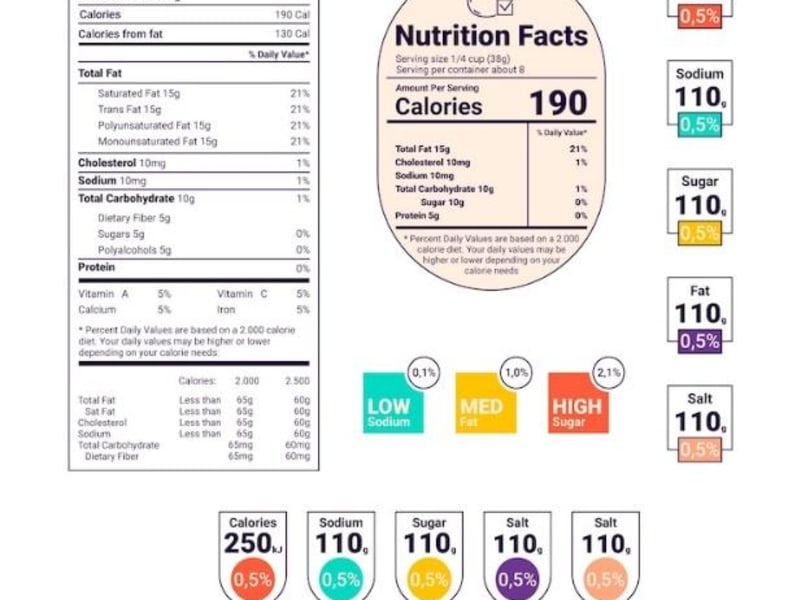
Nutrition labels are designed to inform — but food manufacturers often make them difficult to interpret. This expert guide walks through every section of a nutrition label, exposing the common tricks used to mislead consumers and showing you what to actually look for.
April 14, 2026
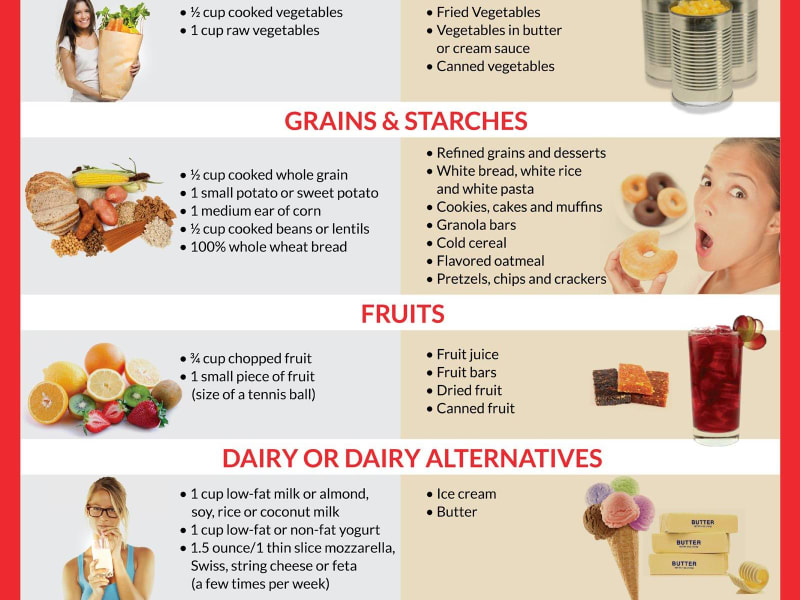
The carbohydrate debate is more nuanced than "eat less carbs." The quality of carbohydrates — their fibre content, processing level, and glycaemic impact — matters far more than their mere presence in your diet. Here's the science behind the distinction.
April 14, 2026
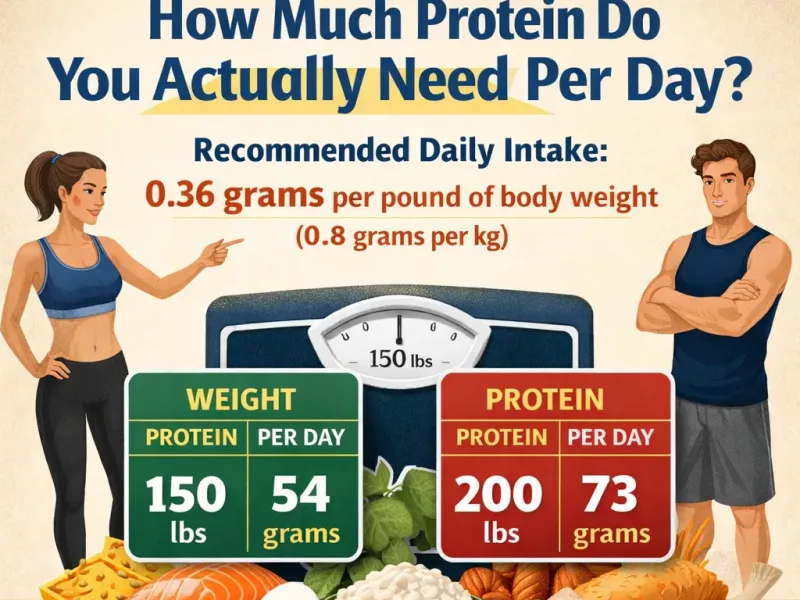
Most official protein recommendations were set to prevent deficiency — not to optimise health, muscle mass, or longevity. New research suggests the real requirements are significantly higher than the standard RDA, particularly for active adults and older populations.
April 13, 2026