

Free Helpline
We are here to assist you.
Health Advisor
+91-8877772277Available 7 days a week
10:00 AM – 6:00 PM to support you with urgent concerns and guide you toward the right care.

We are here to assist you.
Health Advisor
+91-8877772277Available 7 days a week
10:00 AM – 6:00 PM to support you with urgent concerns and guide you toward the right care.
Learn about condom breakage: why it happens, how to prevent it, and what immediate steps to take if you suspect a condom broke to address concerns about pregnancy and STIs.

Condoms are a reliable and accessible method of contraception and protection against sexually transmitted infections (STIs). However, like any product, they can occasionally fail. One of the biggest concerns for many is whether a condom can break without them even knowing it. While it's a distressing thought, the good news is that it's generally rare, especially when condoms are used and stored correctly. This guide will walk you through what to do if you suspect a condom has broken, how to prevent it from happening in the first place, and what steps to take afterward.
It's natural to wonder how common condom breakage is. Studies offer varied statistics, but they indicate it's not an everyday occurrence. In one older study, about 7.3% of men reported experiencing a condom break over a year. Another research found that a significant percentage of condom users (around 29% of men and 19% of women) reported at least one broken condom in a three-month period. While these numbers might seem high, it's important to remember that 'breaking' can sometimes refer to small tears or slippage, not necessarily a complete failure. The effectiveness of condoms, whether used perfectly or typically, is a key factor in preventing unintended pregnancies and STIs.
These figures highlight that while condoms are highly effective when used correctly, user error can significantly impact their performance. Understanding these rates helps us appreciate the importance of proper usage.
Most of the time, yes, you will know. When a condom breaks completely, it's usually quite noticeable. You might feel a sudden change in sensation during intercourse, or you might see the damage when you or your partner withdraws. This immediate awareness allows for prompt action.
However, the scenario of a condom breaking without you realizing it is possible, though less common. Try not to let this possibility cause excessive worry. The key lies in consistent, correct usage and proper storage. If you're in the moment and concerned, a quick check can help.
If you are wearing the condom: You'll likely feel a distinct change in sensation. If this happens, immediately tell your partner, withdraw, and inspect the condom.
If you are not wearing the condom: You might not feel the break. In such cases, it's a good practice to periodically check the condom, perhaps when changing positions. You should be able to see or feel if it has torn.
Many people, however, don't discover a break until after intercourse, when they remove the condom. This underscores the importance of inspecting the condom carefully after withdrawal for any obvious holes or leaks.
Even if a condom appears intact, there's a possibility of 'microtears'. These are tiny tears, often invisible to the naked eye, that could potentially allow sperm or viruses to pass through. While rare, microtears can sometimes be due to a manufacturing defect, though condoms undergo rigorous testing. More frequently, user error is the culprit behind these minuscule imperfections.
If you discover a broken condom, or even suspect one might have broken, don't panic. Here's a practical plan:
Real-life scenario: Priya and Rohan were intimate, and midway through, Priya felt a strange sensation. She paused and realized the condom might have torn. They stopped immediately, and upon inspection, they found a small rip near the base. They were worried about both pregnancy and STIs, so they decided to seek advice from a doctor about emergency contraception and testing.
Prevention is always better than cure. By following these guidelines, you can significantly reduce the chances of condom breakage:
It's always wise to consult a healthcare professional if you have any concerns. You should seek medical advice if:
A doctor or a sexual health clinic can provide personalized advice, testing, and treatment options. They can also help you understand your reproductive health and make informed decisions.
Yes, there is a risk of pregnancy if a condom breaks, especially if ejaculation occurs inside the partner. This is why considering emergency contraception or a copper IUD is important if pregnancy is a concern.
Emergency contraception is most effective when taken as soon as possible after unprotected sex. It can be taken up to 5 days (120 hours) after the event, but its effectiveness decreases over time. The sooner, the better.
A broken condom significantly reduces protection against STIs. If there's a risk of exposure to an STI, it's advisable to get tested. Open communication with your partner is also important.
A broken condom has a tear or hole. A slipped condom is one that has come off the penis during intercourse. Both scenarios increase the risk of pregnancy and STI transmission.
Internal condoms have a slightly higher perfect-use effectiveness rate (95%) compared to external condoms (98%). However, typical use effectiveness is lower for both, and breakage can still occur with either type if not used or stored correctly.

Nutrition labels are designed to inform — but food manufacturers often make them difficult to interpret. This expert guide walks through every section of a nutrition label, exposing the common tricks used to mislead consumers and showing you what to actually look for.
April 14, 2026

The carbohydrate debate is more nuanced than "eat less carbs." The quality of carbohydrates — their fibre content, processing level, and glycaemic impact — matters far more than their mere presence in your diet. Here's the science behind the distinction.
April 14, 2026
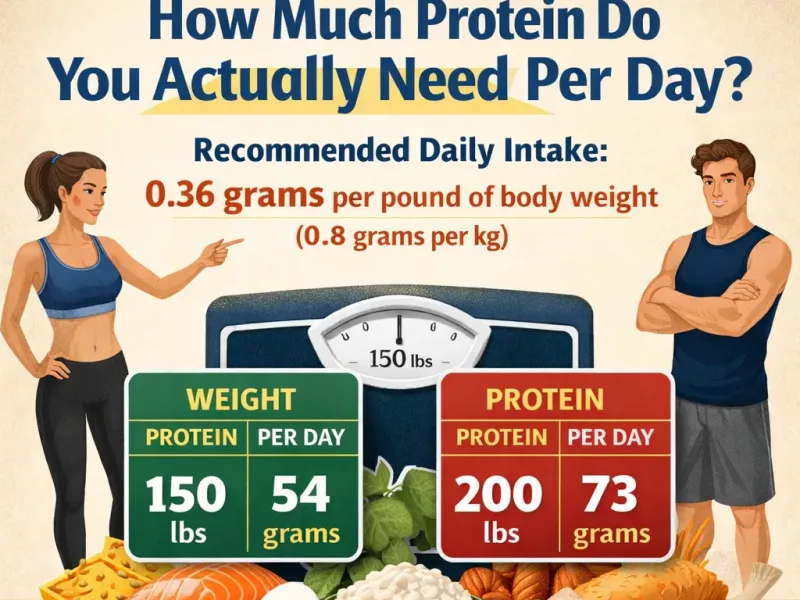
Most official protein recommendations were set to prevent deficiency — not to optimise health, muscle mass, or longevity. New research suggests the real requirements are significantly higher than the standard RDA, particularly for active adults and older populations.
April 13, 2026