

Free Helpline
We are here to assist you.
Health Advisor
+91-8877772277Available 7 days a week
10:00 AM – 6:00 PM to support you with urgent concerns and guide you toward the right care.

We are here to assist you.
Health Advisor
+91-8877772277Available 7 days a week
10:00 AM – 6:00 PM to support you with urgent concerns and guide you toward the right care.
Learn about the rare but possible event of condom breakage, how to prevent it with correct usage and storage, and what steps to take if it happens to protect against pregnancy and STIs.

Condom Breakage: What To Do If It Happens (and How to Prevent It) Condoms are a fantastic tool for preventing both pregnancy and sexually transmitted infections (STIs). They’re a go-to for many couples and individuals seeking reliable protection. However, the thought of a condom breaking can be a source of anxiety. While it’s a valid concern, it’s important to know that condom breakage, especially without you noticing, is quite rare. This guide aims to demystify condom breakage, equip you with knowledge on how to prevent it, and outline the steps you should take if it does happen. We want you to feel confident and informed about your sexual health choices. Understanding Condom Effectiveness Before diving into breakage, let’s briefly touch upon how effective condoms are. When used perfectly, condoms worn on the penis are about 98% effective at preventing pregnancy. This means that for every 100 couples using condoms perfectly for a year, only about 2 would experience a pregnancy. However, real-world usage often falls short of perfect use. When used typically, their effectiveness drops to around 85%. This difference highlights the importance of correct usage and proper handling. Internal condoms, also known as female condoms, have slightly different effectiveness rates. They are about 95% effective when used perfectly, but this can decrease to around 79% with typical use. The key takeaway here is that while condoms are highly effective, correct application and consistent use are paramount. Can a Condom Really Break Without You Knowing? This is the big question, isn’t it? The short answer is: yes, it’s possible, but it’s uncommon. In most instances, if a condom breaks, you’ll likely feel or see it. The sensation changes immediately, or you’ll notice the damage when you or your partner withdraws. Think of it like a balloon popping – it’s usually quite noticeable. However, there’s a possibility of what are called ‘microtears.’ These are tiny tears, often too small to see with the naked eye, that could potentially allow sperm or viruses to pass through. These are much harder to detect during the act itself. When Does Condom Breakage Occur? Several factors can contribute to condom breakage: Manufacturing Defects: While rare, a condom might have a flaw from the manufacturing process. Reputable brands have stringent quality control, but it's not an impossibility. Improper Storage: Condoms are sensitive to heat, moisture, and direct sunlight. Storing them in a hot car, a damp bathroom cabinet, or a wallet (where friction and heat can damage them) significantly increases the risk of breakage. Expiration Dates: Like all products, condoms have an expiration date. Over time, the material can degrade, becoming brittle and more prone to tearing. Always check the expiry date before use. Incorrect Application: Putting the condom on the wrong way (e.g., starting to unroll it inside out, then flipping it over) can weaken the material. Also, not leaving a small space at the tip for semen can put undue pressure on the condom. Lubricant Issues: Using oil-based lubricants (like Vaseline, massage oils, or even some lotions) with latex or polyisoprene condoms can break down the material, causing it to tear. Stick to water-based or silicone-based lubricants. Rough Handling: Using teeth or sharp fingernails to open the condom wrapper can cause tiny nicks that might lead to tears later. Friction and Duration: Excessive friction or very long intercourse sessions can also contribute to wear and tear. How to Check for Condom Breakage Prevention starts with a quick check. Before you even begin, take a moment: Inspect the Wrapper: Ensure the wrapper isn't torn or damaged. Check the Expiry Date: Locate the expiry date on the condom packet. If it’s past due, don’t use it. Examine the Condom (Before Use): Once you open the wrapper carefully (avoiding teeth or sharp nails), gently unroll the condom a little or inspect it for any obvious holes or signs of degradation. Feel During Intercourse: If you are wearing the condom, you will likely feel a change in sensation if it breaks. If this happens, stop immediately. Visual Check During Position Changes: If you’re not wearing the condom, or if you want to be extra cautious, periodically check the condom visually when changing positions. Post-Intercourse Inspection: This is crucial. After withdrawal, hold the base of the condom firmly as you remove it. Then, carefully inspect the condom for any signs of breakage, holes, or leaks. If you find any damage, proceed with the next steps. What to Do If a Condom Breaks It’s natural to feel worried if a condom breaks, but try to remain calm. Here’s a practical plan: Scenario: You and your partner just finished intercourse, and as you withdraw, you notice the condom has torn. There's a concern about potential pregnancy or STI transmission. Immediate Steps: Stop and Withdraw: If you feel or see the break during intercourse, stop immediately and withdraw. Assess the Situation: Carefully inspect the condom for any tears or holes. If there are none, it might have just slipped or had a minor issue. If there is damage, consider it a break. Clean Up: Gently wash the genital areas with soap and water. This won't prevent pregnancy or STIs, but it can help remove any external semen. Addressing Pregnancy Concerns: If you are concerned about pregnancy, time is of the essence. You have a few options, depending on how soon after the potential exposure you are: Emergency Contraception (EC): Often referred to as the 'morning-after pill,' EC pills like Plan B are most effective when taken as soon as possible after unprotected sex. They can be up to 95% effective if taken within 5 days, but their effectiveness decreases with each passing day. EC works by delaying or preventing ovulation. It is not an abortion pill. Copper IUD: For the highest level of emergency pregnancy prevention, a copper IUD can be inserted by a healthcare provider up to 5 days after unprotected sex. It is over 99% effective and can then serve as a long-term contraceptive method if desired. Addressing STI Concerns: If you are concerned about the transmission of STIs, the situation is different from pregnancy prevention. Condoms are a barrier against STIs, and a break means that barrier was compromised. Get Tested: The most important step is to get tested for STIs. Speak to your doctor or visit a sexual health clinic. They can advise you on which tests are appropriate based on your situation and your partner's STI status (if known). Inform Your Partner(s): Open and honest communication with your partner(s) is vital. Inform them about the condom breakage and encourage them to get tested as well. This is a responsible step for everyone's health. Consider PrEP (Pre-Exposure Prophylaxis): If you are at high risk for HIV, talk to your doctor about PrEP. It's a daily medication that can significantly reduce the risk of contracting HIV. Preventing Condom Breakage: Your Best Defence The best strategy is always prevention. By following these guidelines, you can significantly minimize the risk of a condom breaking: Buy Reputable Brands: Purchase condoms from trusted pharmacies or retailers. Avoid novelty or suspiciously cheap condoms. Check Expiry Dates: Always check the expiry date on the packaging. Store Them Properly: Keep condoms in a cool, dry place, away from direct sunlight and heat. A bedside drawer or a purse (in a protective case) is generally fine, but avoid wallets or glove compartments. Open Carefully: Use the tear notch on the wrapper. Never use teeth, scissors, or sharp fingernails. Apply Correctly: Ensure the condom is rolled on the correct way (unroll it fully onto the erect penis before any genital contact). Leave a small space at the tip for semen. Use the Right Lube: Always use water-based or silicone-based lubricants with latex or polyisoprene condoms. Avoid oil-based products. Be Gentle: Avoid excessive force or rough handling during sex. Use a New Condom: Never reuse a condom. Use a fresh one for every sexual encounter. When to Consult a Doctor It's always a good idea to consult a healthcare professional if: You are concerned about potential pregnancy after condom breakage. You are concerned about potential STI transmission. You experience any unusual symptoms or have questions about sexual health. You want to discuss contraception options or STI testing. Your doctor or a sexual health clinic can provide accurate advice, testing, and support tailored to your specific needs. Frequently Asked Questions (FAQs) Q1: If a condom breaks, will I definitely get pregnant or an STI? Not necessarily. Condom breakage increases the risk, but it doesn't guarantee transmission of pregnancy or STIs. Factors like your partner's STI status, whether you are within your fertile window (for pregnancy), and the presence of any microtears play a role. Emergency contraception and STI testing are your best steps to mitigate risks. Q2: Can I reuse a condom if it didn't break? No, absolutely not. Condoms are designed for single use only. Reusing a condom, even if it didn't appear to break, significantly increases the risk of breakage and transmission of STIs and fluids. Q3: What
In summary, timely diagnosis, evidence-based treatment, and prevention-focused care improve long-term health outcomes.
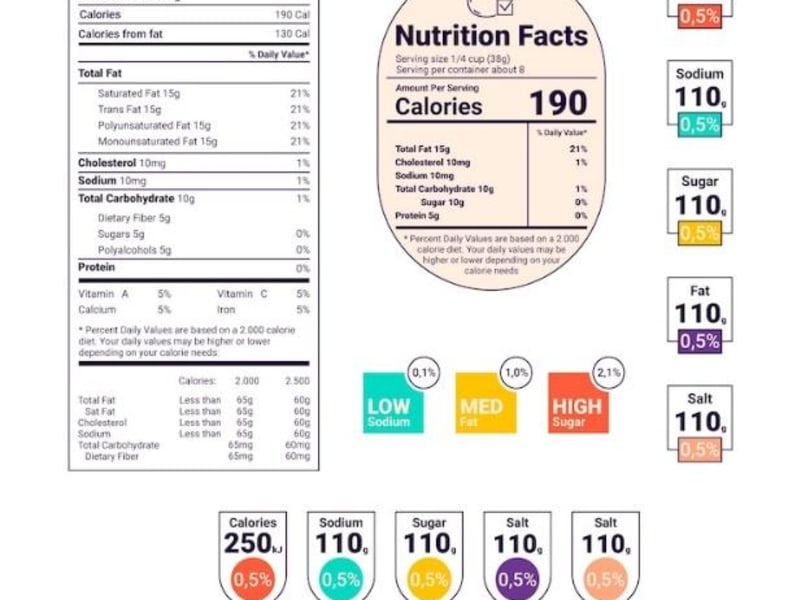
Nutrition labels are designed to inform — but food manufacturers often make them difficult to interpret. This expert guide walks through every section of a nutrition label, exposing the common tricks used to mislead consumers and showing you what to actually look for.
April 14, 2026
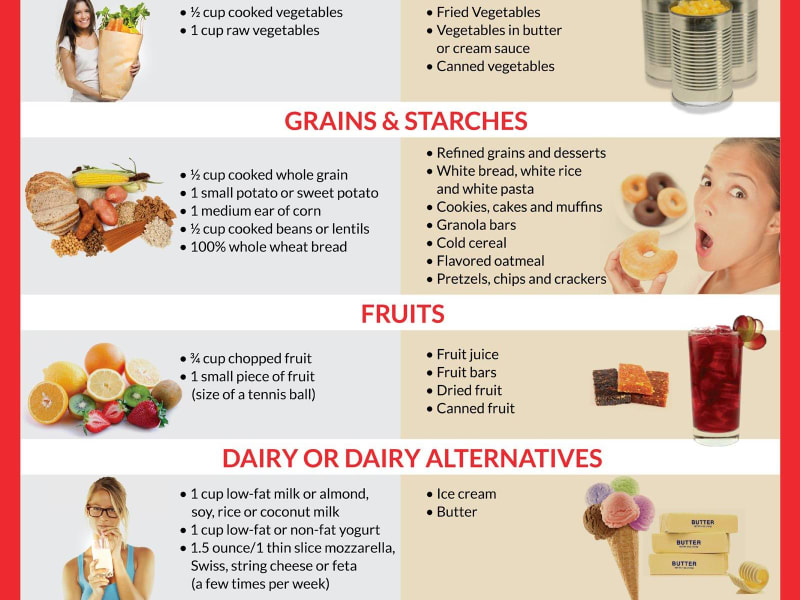
The carbohydrate debate is more nuanced than "eat less carbs." The quality of carbohydrates — their fibre content, processing level, and glycaemic impact — matters far more than their mere presence in your diet. Here's the science behind the distinction.
April 14, 2026

Most official protein recommendations were set to prevent deficiency — not to optimise health, muscle mass, or longevity. New research suggests the real requirements are significantly higher than the standard RDA, particularly for active adults and older populations.
April 13, 2026