

Free Helpline
We are here to assist you.
Health Advisor
+91-8877772277Available 7 days a week
10:00 AM – 6:00 PM to support you with urgent concerns and guide you toward the right care.

We are here to assist you.
Health Advisor
+91-8877772277Available 7 days a week
10:00 AM – 6:00 PM to support you with urgent concerns and guide you toward the right care.
Explore the benefits of Bio-Oil for scars, stretch marks, uneven skin tone, and aging skin. Learn how to use it effectively and what to expect for your skin.

Bio-Oil is a specially formulated skincare product designed to improve the appearance of scars, stretch marks, uneven skin tone, aging skin, and dehydration. Developed by a South African company, it's a blend of plant extracts and vitamins suspended in an oil base. The key is its unique formulation, which includes the breakthrough ingredient PurCellin Oil™. This ingredient helps the product absorb easily into the skin without leaving a greasy residue, making it comfortable for daily use.
The oil is composed of several beneficial ingredients, including:
Bio-Oil is non-comedogenic, meaning it does not clog pores, which is a significant plus for those prone to breakouts.
Bio-Oil is primarily recognized for its ability to target specific skin concerns. Here’s a closer look at its most celebrated benefits:
Scars, whether from surgery, injuries, or acne, can be a source of self-consciousness. Bio-Oil aims to make them less noticeable. A 2018 study involving 80 individuals with non-hypertrophic scars found that Bio-Oil demonstrated a 14% improvement in reducing the appearance of scars and stretch marks compared to an untreated area. While it won't make scars disappear entirely, many users report a noticeable softening and flattening of scar tissue, making them blend better with the surrounding skin.
Stretch marks, often seen after periods of rapid weight change or pregnancy, are another primary target for Bio-Oil. The same 2018 study indicated improvements in the appearance of stretch marks. Many women in India experience stretch marks during and after pregnancy, and Bio-Oil offers a promising topical solution to help manage their visibility.
Hyperpigmentation, characterized by dark spots or patches on the skin, can result from sun exposure, hormonal changes, or inflammation. Bio-Oil's formulation, particularly with ingredients like Vitamin A, can help promote skin cell turnover and improve the appearance of uneven skin tone. This benefit is valuable for all skin types, including darker Indian complexions that can be prone to post-inflammatory hyperpigmentation.
As we age, our skin naturally loses elasticity and can appear duller. The hydrating and nourishing properties of Bio-Oil, combined with its vitamin content, can help to plump the skin, making fine lines and wrinkles less apparent. While not a replacement for medical treatments, it contributes to a smoother, more supple complexion.
In India's varied climate, skin can easily become dry and dehydrated. Bio-Oil’s oil base provides deep hydration, helping to restore the skin’s natural barrier and prevent moisture loss. This leaves the skin feeling soft and supple. A significant number of study participants (93%) reported a long-lasting soft and supple skin feeling after using Bio-Oil.
Using Bio-Oil correctly is key to unlocking its full potential. Here’s a simple guide:
Priya, a new mother from Delhi, was concerned about the stretch marks that appeared on her abdomen during pregnancy. She started using Bio-Oil twice daily, massaging it gently into the affected areas after her shower. Within two months, she noticed that her stretch marks appeared less prominent and her skin felt much softer and more hydrated. She shared, “I was skeptical at first, but seeing the improvement has boosted my confidence.”
While Bio-Oil is not a primary acne treatment, its ingredients can offer some benefits. As mentioned, rosemary oil has demonstrated antibacterial properties against acne-causing bacteria in studies. Furthermore, Bio-Oil is non-comedogenic, meaning it won't block pores, which is essential for acne-prone skin. However, if you have active acne or severe acne scarring, it's always best to consult a dermatologist for a tailored treatment plan. They might recommend specific acne treatments alongside or instead of topical oils.
Although Bio-Oil is generally safe for topical use, there are instances when professional medical advice is necessary:
Yes, you can use Bio-Oil on your face to address concerns like uneven skin tone, fine lines, and dehydration. However, always perform a patch test first, especially if you have oily or acne-prone skin. Use it sparingly and massage it in well to avoid a greasy feel.
Bio-Oil is most effective on new scars and stretch marks and can help improve the appearance of older ones. It is less effective on very old or deeply pitted scars. It is not recommended for raised or keloid scars.
Results vary from person to person and depend on the skin concern. For scars and stretch marks, it's recommended to use the product consistently for at least three months to see noticeable improvements. For other benefits like hydration and improved skin tone, results may be visible sooner.
Yes, Bio-Oil is commonly used by pregnant women to help prevent and reduce the appearance of stretch marks. However, it's always a good idea to discuss any new product with your doctor during pregnancy.
Bio-Oil is formulated with a blend of plant extracts, vitamins, and the ingredient PurCellin Oil™. While generally considered safe, some individuals may be sensitive to certain fragrance components like linalool. Always check the ingredient list and perform a patch test if you have concerns.
Bio-Oil has earned its place in many Indian households as a versatile skincare solution. By understanding its benefits, proper usage, and limitations, you can incorporate it effectively into your routine to achieve healthier, more radiant-looking skin. Remember, consistency and patience are key to seeing the best results.
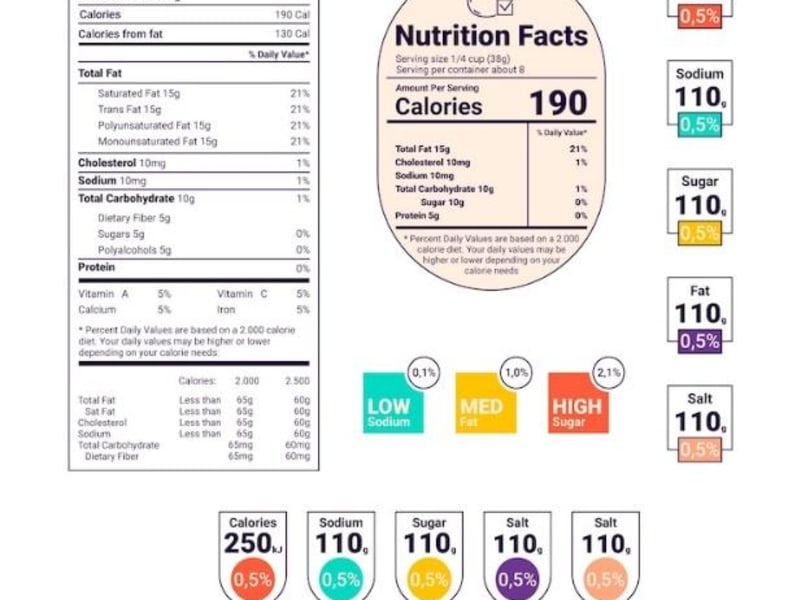
Nutrition labels are designed to inform — but food manufacturers often make them difficult to interpret. This expert guide walks through every section of a nutrition label, exposing the common tricks used to mislead consumers and showing you what to actually look for.
April 14, 2026

The carbohydrate debate is more nuanced than "eat less carbs." The quality of carbohydrates — their fibre content, processing level, and glycaemic impact — matters far more than their mere presence in your diet. Here's the science behind the distinction.
April 14, 2026

Most official protein recommendations were set to prevent deficiency — not to optimise health, muscle mass, or longevity. New research suggests the real requirements are significantly higher than the standard RDA, particularly for active adults and older populations.
April 13, 2026