

Free Helpline
We are here to assist you.
Health Advisor
+91-8877772277Available 7 days a week
10:00 AM – 6:00 PM to support you with urgent concerns and guide you toward the right care.

We are here to assist you.
Health Advisor
+91-8877772277Available 7 days a week
10:00 AM – 6:00 PM to support you with urgent concerns and guide you toward the right care.
Discover the best baby oils for moisturizing, massaging, and soothing your baby's delicate skin. Learn what to look for and how to use them safely.

The smooth, soft skin of a baby is a joy to behold. Many parents look for ways to keep their little one’s skin feeling just as wonderful. Baby oil can be a helpful tool for moisturizing, massaging, and even helping with common skin issues like diaper rash and eczema. But with so many options available, how do you choose the best baby oil? We’ve explored the market to bring you a guide on selecting the right baby oil for your needs, considering ingredients, specific benefits, and parent reviews. Understanding Baby Oil Baby oil, originally formulated for infants, is a skincare product that creates a semi-breathable barrier on the skin. Traditionally, it’s made from mineral oil, a byproduct of petroleum, combined with a small amount of fragrance. Mineral oil is known for being gentle and rarely causing allergic reactions. However, some parents prefer plant-based oils, which can be derived from sources like grapeseed or apricot oil. It’s worth noting that plant-based oils might have a slightly higher chance of causing sensitivities in some babies. Baby oil serves multiple purposes: Moisturizing: It helps to lock in moisture, keeping delicate baby skin soft and supple. Massage: A gentle baby massage with oil can be a bonding experience and may help soothe your baby. Skin Condition Support: It can aid in managing dryness, diaper rash, and the discomfort of eczema. While primarily for babies, many adults also find baby oil beneficial for their own skin, especially for dryness or as a makeup remover. When Can You Start Using Baby Oil? The National Health Service (NHS) suggests waiting until your baby is at least one month old before applying oils or lotions. This is because a newborn’s skin is very thin and delicate, still developing its protective barrier. As your baby grows, their skin matures and becomes more resilient. Always consult your pediatrician if you have concerns about your baby’s skin, especially if they have a pre-existing condition. Types of Baby Oils Baby oils come in various forms to suit different preferences and needs: Scented vs. Unscented: Many oils offer pleasant fragrances, while others are completely fragrance-free for the most sensitive skin. Organic vs. Non-Organic: Organic options focus on avoiding synthetic ingredients, using naturally derived components. Specialized Formulas: Some oils are marketed for specific uses, such as massage, eczema relief, or hair care. Texture: Oils can range from light liquids to thicker gels, affecting how they feel and absorb. What Does Baby Oil Do for Your Baby? The primary benefits of baby oil for your little one include: Moisturizing Dry Skin A baby’s skin can lose moisture easily, especially in dry climates or during winter. Baby oil acts as an occlusive agent, forming a barrier on the skin’s surface to prevent water loss. This helps to keep the skin hydrated and soft. For instance, if you notice your baby’s cheeks looking a bit chapped after a windy walk, a gentle application of baby oil can help restore that moisture. Soothing Diaper Rash Diaper rash is a common and uncomfortable issue for babies. While not a primary treatment, baby oil can help create a protective layer against moisture and irritants in the diaper area. It can be applied after cleaning the area and ensuring it is dry. However, for persistent or severe rashes, it’s best to consult your doctor. Aiding in Baby Massage Baby massage is a wonderful way to bond with your infant. Using a baby-safe oil can make the massage strokes smoother and more enjoyable for both you and your baby. Some research even suggests that massage, particularly with lavender-scented oils, may help reduce colic symptoms in some babies. Always use gentle pressure and observe your baby’s cues. Managing Eczema For babies prone to eczema, gentle moisturizing is key. Certain baby oils, especially those with ingredients like calendula or colloidal oatmeal, can help soothe irritated skin and reduce dryness and itching associated with eczema. Remember to always patch-test any new product on a small area of skin first. Best Baby Oils: Our Top Picks Choosing the right baby oil depends on your priorities. Here are some highly-regarded options: Best Baby Oil Overall: Burt’s Bees Baby Nourishing Baby Oil This oil stands out with its 100% natural ingredient list, featuring grapeseed and apricot oils. It’s designed to heal and moisturize, making it a great all-around choice. Parents appreciate its gentle formula and effectiveness. Best Baby Oil for Newborns: Motherlove Birth & Baby Oil Specifically formulated for the delicate skin of newborns, this oil is made with gentle, natural ingredients. It’s designed to be extra soothing for the very first days and weeks of your baby’s life. Best Baby Oil for Massage: Weleda Baby Tummy Oil While named for tummy issues, this oil is excellent for general baby massage. Its blend of ingredients, often including marigold, is known for its calming properties, making massage time a truly relaxing experience. Best Baby Oil for Eczema: Pipette Baby Oil Pipette’s baby oil is a popular choice for babies with eczema. It’s made with squalane, a moisturizer naturally found in skin, and is free from harsh chemicals, making it gentle enough for sensitive, irritated skin. Best Baby Oil for Hair: Earth Mama Calendula Baby Oil For keeping a baby’s scalp and hair soft, this calendula-infused oil is a great option. It’s known for its soothing properties and can help with cradle cap as well. Best Baby Oil for Dry Skin: SheaMoisture Baby Oil Rub This product offers a richer, more emollient feel, perfect for combating very dry skin. Shea butter and other natural oils provide deep hydration and nourishment. Best Budget-Friendly Baby Oil: Johnson’s Baby Creamy Oil For those seeking an effective option without a high price tag, Johnson’s Creamy Oil offers good moisturizing properties. It provides hydration and a smooth feel at an accessible price point. Best Organic Baby Oil: Badger Calming Baby Oil Badger offers a certified organic baby oil that is free from synthetic fragrances and harsh chemicals. It uses a blend of gentle, organic oils known for their calming effects, making it ideal for sensitive skin and bedtime routines. Choosing the Right Baby Oil: What to Look For When selecting a baby oil, pay close attention to the ingredient list. You want to feel confident about what you’re applying to your baby’s skin. Consider these factors: Ingredients: Look for natural oils like grapeseed, apricot, jojoba, or sunflower oil. If you opt for mineral oil-based products, ensure they are pure and free from unnecessary additives. Avoid artificial fragrances and dyes if your baby has sensitive skin. Fragrance: Decide whether you prefer a scented or unscented oil. Unscented is generally safer for very sensitive babies. Certifications: Look for certifications like USDA Organic if you prefer organic products. Texture and Application: Some oils come in pump bottles for easy dispensing, while others are in squeeze bottles. Consider whether you prefer a lighter liquid or a thicker gel consistency. Specific Needs: If your baby has eczema or very dry skin, look for oils with added soothing ingredients like calendula or colloidal oatmeal. For massage, a slightly thinner oil might be preferable. How to Use Baby Oil Safely Using baby oil correctly ensures safety and effectiveness: Patch Test: Before the first use, apply a small amount of oil to a tiny area of your baby’s skin (like the inner arm) and wait 24 hours to check for any redness or irritation. Warm the Oil: Always warm the oil slightly by rubbing it between your hands before applying it to your baby’s skin. Never apply cold oil directly. Gentle Application: Use gentle, smooth strokes during massage or application. Storage: Keep baby oil bottles out of reach of children, especially babies, to prevent accidental ingestion. Consult Your Doctor: If your baby has a persistent skin condition or you have any concerns, always seek advice from your pediatrician. A Real-Life Scenario Little Priya had developed a stubborn patch of dry, red skin on her knee that wouldn’t seem to go away despite using her regular lotion. Her mother, Anjali, remembered her own mother suggesting a gentle oil massage. Anjali decided to try a baby oil known for its soothing properties after Priya’s bath, gently massaging it into the affected area. Within a few days, the redness subsided, and Priya’s skin felt much softer and less irritated. Frequently Asked Questions (FAQ) Can I use baby oil on my face? While some adults use baby oil as a makeup remover or moisturizer, it’s generally not recommended for facial use on babies due to the risk of clogged pores or irritation. For adult facial use, test on a small area first and be mindful of your skin type. Is mineral oil safe for babies? Cosmetic-grade mineral oil is generally considered safe and effective for baby skin. It forms a protective barrier that helps prevent moisture loss. However, if you have concerns or your baby has very sensitive skin, opt for plant-based alternatives. Can baby oil help with cradle cap? Yes, gently massaging baby oil into the
In summary, timely diagnosis, evidence-based treatment, and prevention-focused care improve long-term health outcomes.
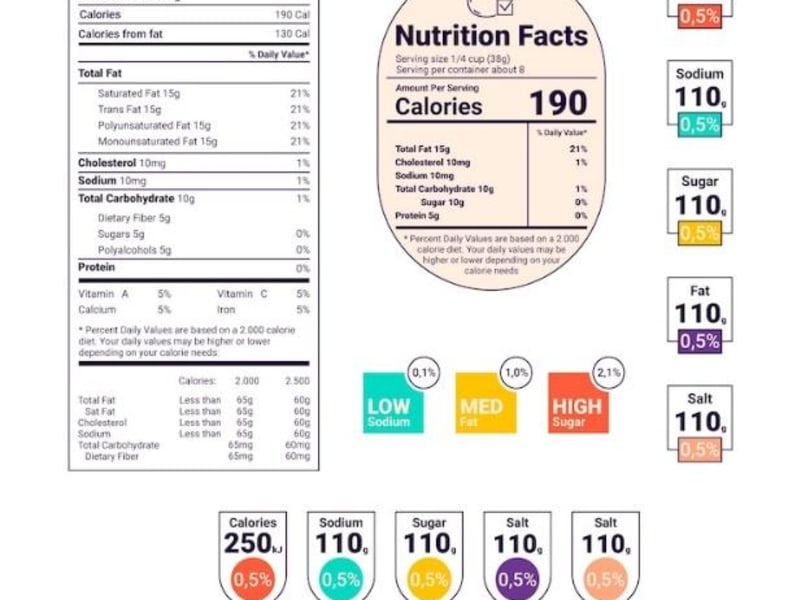
Nutrition labels are designed to inform — but food manufacturers often make them difficult to interpret. This expert guide walks through every section of a nutrition label, exposing the common tricks used to mislead consumers and showing you what to actually look for.
April 14, 2026
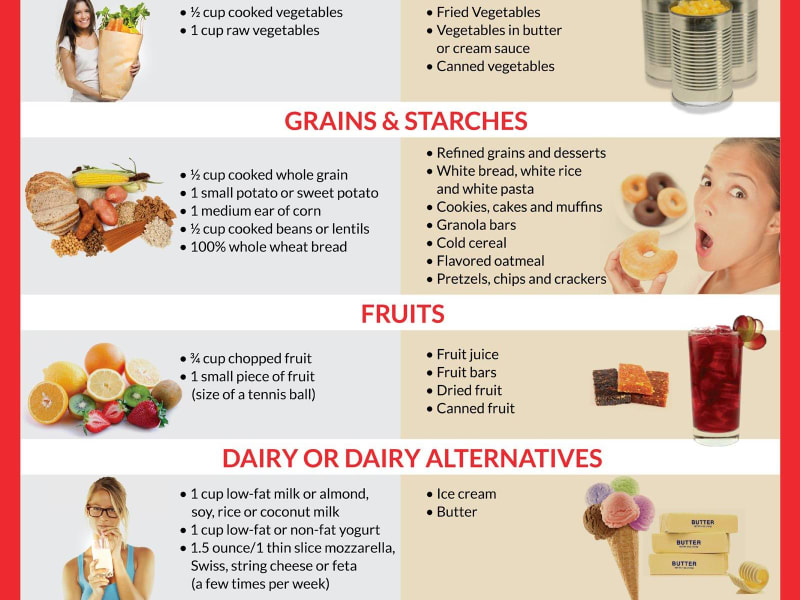
The carbohydrate debate is more nuanced than "eat less carbs." The quality of carbohydrates — their fibre content, processing level, and glycaemic impact — matters far more than their mere presence in your diet. Here's the science behind the distinction.
April 14, 2026

Most official protein recommendations were set to prevent deficiency — not to optimise health, muscle mass, or longevity. New research suggests the real requirements are significantly higher than the standard RDA, particularly for active adults and older populations.
April 13, 2026