

Free Helpline
We are here to assist you.
Health Advisor
+91-8877772277Available 7 days a week
10:00 AM – 6:00 PM to support you with urgent concerns and guide you toward the right care.

We are here to assist you.
Health Advisor
+91-8877772277Available 7 days a week
10:00 AM – 6:00 PM to support you with urgent concerns and guide you toward the right care.
Discover how pollution affects your skin and learn about effective anti-pollution skincare strategies, key ingredients, and practical tips for Indian readers.

In today's world, the air we breathe, especially in bustling Indian cities, is often laden with pollutants. You might have noticed terms like 'anti-pollution' popping up on your favourite skincare products. But what does it actually mean? Can these products truly shield your skin from the harsh realities of pollution, and are they worth adding to your routine?
Pollution isn't just an environmental concern; it's a significant threat to our skin's health. Fine particulate matter, ozone, and other airborne toxins can penetrate your skin, causing a cascade of problems. Studies have shown that chronic exposure to atmospheric pollutants generates harmful free radicals. These free radicals are unstable molecules that damage skin cells, leading to premature aging, dullness, and even inflammatory conditions.
Think about it: you're commuting to work in heavy traffic, walking through a market filled with dust and exhaust fumes, or simply spending time outdoors in a city. All these daily activities expose your skin to a cocktail of damaging particles. One study highlighted how increased levels of ozone pollution were linked to more emergency room visits for skin issues like hives, eczema, and contact dermatitis. This isn't just an abstract scientific finding; it translates to real discomfort and visible skin problems for many of us.
Dr. Bruce Robinson, a dermatologist, explains that cities with severe pollution often lead the way in anti-pollution skincare research because the need is more apparent. While climate change makes pollution a global issue, the impact is particularly pronounced in urban areas. Dr. Adam Mamelak, another dermatologist, points out that pollutants can be absorbed by the skin similarly to how they are inhaled, meaning a significant amount can enter your body through your skin.
Once pollutants enter the skin, they disrupt its natural balance. They can:
Anti-pollution skincare refers to products formulated with ingredients designed to protect the skin from the damaging effects of environmental pollutants. These products aim to:
When choosing anti-pollution skincare, keep an eye out for these beneficial ingredients:
The science is promising, but it’s important to have realistic expectations. While no product can offer 100% protection against all pollutants, a well-formulated anti-pollution skincare routine can significantly help mitigate the damage.
Research indicates that ingredients like vitamins C, E, and ferulic acid can prevent pollution-induced damage. A study involving women in a high-pollution urban area found that using a serum with ferulic acid and vitamin C improved dark spots and skin barrier function. Mineral sunscreens also act as a physical shield. While the term 'anti-pollution' is a marketing buzzword, the underlying science of protecting skin from environmental aggressors is well-established.
Consider Priya, a young professional living in Delhi. She noticed her skin becoming dull, with more frequent breakouts and dark spots despite a consistent skincare routine. After learning about pollution's impact, she incorporated a vitamin C serum in the morning, followed by a moisturizer with SPF 30, and a gentle cleanser at night. Within a few weeks, she observed her skin looked brighter, and the new breakouts were less frequent.
Creating an effective routine doesn't have to be complicated. Here’s a simple approach:
While topical skincare is important, remember that overall health plays a role in your skin's resilience.
If you're experiencing persistent skin issues like severe acne, eczema flare-ups, unexplained rashes, or signs of premature aging that concern you, it's time to seek professional advice. A dermatologist can accurately diagnose the cause of your skin problems and recommend a personalized treatment plan. They can also guide you on the most effective ingredients and products for your specific skin type and concerns, especially in the context of environmental stressors like pollution.
While everyone is exposed to some level of pollution, the necessity depends on your environment. If you live in a major city with high pollution levels, incorporating anti-pollution measures into your skincare routine can be highly beneficial. If you live in a rural area with clean air, it might be less critical.
Yes, but choose wisely. Look for products with gentle formulations and soothing ingredients like centella asiatica, niacinamide, or chamomile. Always patch-test new products on a small area of skin before applying them all over your face.
Results vary depending on the product, ingredients, and individual skin. However, you might start noticing improvements in skin hydration and radiance within 2-4 weeks. More significant changes, like reduction in dark spots or improved barrier function, may take 2-3 months of consistent use.
The term 'anti-pollution' is largely a marketing term and not strictly regulated. It's essential to look beyond the claims and examine the ingredient list to understand how a product aims to protect your skin. Focus on proven ingredients like antioxidants and sunscreens.
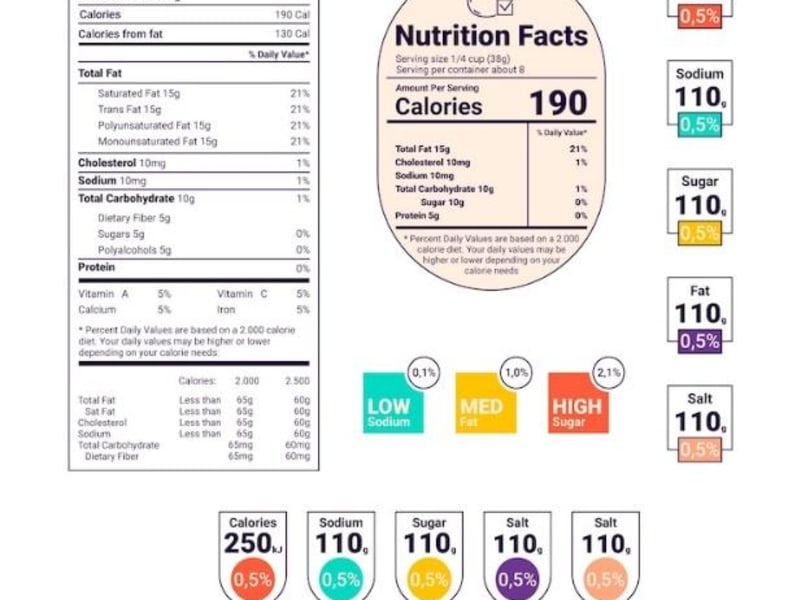
Nutrition labels are designed to inform — but food manufacturers often make them difficult to interpret. This expert guide walks through every section of a nutrition label, exposing the common tricks used to mislead consumers and showing you what to actually look for.
April 14, 2026

The carbohydrate debate is more nuanced than "eat less carbs." The quality of carbohydrates — their fibre content, processing level, and glycaemic impact — matters far more than their mere presence in your diet. Here's the science behind the distinction.
April 14, 2026

Most official protein recommendations were set to prevent deficiency — not to optimise health, muscle mass, or longevity. New research suggests the real requirements are significantly higher than the standard RDA, particularly for active adults and older populations.
April 13, 2026