

Free Helpline
We are here to assist you.
Health Advisor
+91-8877772277Available 7 days a week
10:00 AM – 6:00 PM to support you with urgent concerns and guide you toward the right care.

We are here to assist you.
Health Advisor
+91-8877772277Available 7 days a week
10:00 AM – 6:00 PM to support you with urgent concerns and guide you toward the right care.
Curious about acupressure mats? Our editors tried them for two weeks to see if these spiky tools really deliver on pain relief, energy boosts, and stress reduction. Discover what they learned!

Have you ever seen those spiky mats online and wondered if they're just a quirky wellness trend or if they actually deliver on their promises of pain relief and relaxation? We get it! It sounds a bit intense, lying on thousands of tiny spikes. But what if we told you that many people find them surprisingly effective? To find out, a group of our editors decided to put acupressure mats to the test, using them daily for two weeks. They endured the initial prickle and discovered a range of benefits, from pain management to boosted energy. Let's dive into what they learned! What Exactly is an Acupressure Mat? An acupressure mat is a wellness tool designed to stimulate specific pressure points on your body. Think of it as a DIY acupressure treatment you can do at home. The mat is covered in hundreds or even thousands of small plastic spikes, strategically placed to target acupoints. When you lie or stand on the mat, these spikes apply gentle pressure to your skin, mimicking the principles of acupressure, an ancient Chinese healing technique. The idea is to encourage the flow of vital energy, or 'qi', throughout your body, which proponents believe can help alleviate pain, reduce stress, and promote overall well-being. The Science (and Anecdotes) Behind Acupressure Mats It's true that large-scale, conclusive scientific research on the specific benefits of acupressure mats is still limited. However, the principles of acupressure itself have been studied for centuries. Acupressure aims to balance the body's energy by stimulating specific points, much like acupuncture but without the needles. Some smaller studies suggest that acupressure can help lower heart rate and improve blood circulation. Many of the reported benefits of acupressure mats are anecdotal, meaning they come from personal experiences. Our editors' two-week trial aimed to gather more firsthand accounts of what it's like to use these mats regularly. Our Editors' Experience: The First Few Minutes Let's be honest, the first time you lie down on an acupressure mat, it's a unique sensation. Imagine thousands of tiny, firm points pressing into your skin. For most of our editors, the initial feeling was one of prickly discomfort, sometimes described as a mild burning sensation or increased skin sensitivity. This is completely normal and expected! “The first time I used the mat for a long period of time — 10 minutes or so — I was a little put off by the burning sensation and skin sensitivity that ensued after getting off the mat.” However, this initial discomfort often subsides within a few minutes. As you relax and breathe through the sensation, your body begins to respond. Many users report feeling heat build up in the area of contact, which is a sign of increased blood circulation. This is often followed by a feeling of relaxation and ease. The Bare Skin Debate: Is It Necessary? One of the most significant discoveries from our editors' trial was the importance of direct skin contact. While you can use the mat with a thin layer of clothing, most editors found the benefits were amplified when lying directly on their bare skin. “Unanimously, lying on an acupressure mat felt more effective when the mat came into contact with skin.” One editor experimented with wearing a shirt for a week and then going bare-skinned the following week. She found the bare-skin experience to be far more beneficial. The increased intensity, she explained, was particularly helpful for easing stress, anxiety, and deep muscle tension. Wearing a shirt acts like a buffer, reducing the direct stimulation of the pressure points. While it can be a good way to ease into using the mat, eventually, most users find that direct contact yields better results. How Long Should You Use an Acupressure Mat? Finding the sweet spot for duration is key to maximizing the benefits without causing discomfort. While there isn't a strict rule, most experts recommend sessions ranging from 10 to 20 minutes. Shorter sessions, like 5 minutes or less, might not provide enough stimulation for significant effects but can still offer a gentle wake-up call. Longer sessions, however, need to be approached with caution. “When used for shorter periods of 5 minutes or less, you’re not likely to experience this [intense discomfort]. As the weeks went on and I used the mat daily, I came to associate the tingle and redness with the side effects that the mat was doing its job.” Our editors found that exceeding the 10-minute mark often led to more noticeable benefits. However, lying on the spikes for too long, generally advised to be under 30 minutes, can potentially lead to bruising or skin irritation. The key is to listen to your body. If you feel discomfort beyond the initial prickly sensation, it’s time to get off the mat. The Benefits Our Editors Experienced After two weeks of consistent use, our editors reported a variety of positive outcomes: Increased Energy and Mood Boost: Several editors noticed a definite uplift in their energy levels and mood, especially after using the mat for just a few minutes in the morning. It was described as feeling more awake and alert. Pain and Tension Relief: For those dealing with chronic pain, muscle fatigue, or everyday tension, the mat provided a welcome sense of relief. The increased blood flow seemed to help soothe sore muscles and ease discomfort. Stress and Anxiety Reduction: The calming sensation and the focus required to breathe through the initial prickle helped many users feel more relaxed and less anxious. It became a mindful break in their day. Improved Sleep Quality: Some editors reported experiencing better sleep after incorporating the mat into their evening routine. The relaxation and pain relief contributed to a more restful night. Enhanced Blood Circulation: The most commonly reported physical sensation was the feeling of increased blood flow, often described as warmth or a tingling sensation spreading through the body. “After I used it in the mornings, I did feel more energized than usual. I definitely felt an increase in energy and even a little mood boost after using the mat for 2 minutes.” “I thought the mat was more useful after lying on it for longer (again about 10 min at a time).” Who Might Benefit Most from an Acupressure Mat? Acupressure mats can be a helpful tool for a wide range of individuals, particularly those experiencing: Chronic back or neck pain Muscle soreness and stiffness Stress and anxiety Low energy levels Difficulty sleeping Fibromyalgia pain Kristin Currin, one of our editors who manages fibromyalgia pain and daily muscle fatigue, found the mat particularly beneficial. She plans to continue using it for its ability to improve blood circulation, which she believes helps ward off pain that typically strikes during sleep. For her, it falls into the category of 'hurts so good' – uncomfortable initially, but ultimately rewarding. How to Use an Acupressure Mat Safely and Effectively Find a Comfortable Surface: Place the mat on a firm, flat surface like the floor. Avoid soft surfaces like beds or sofas, as they can make the spikes less effective. Start Slowly: If you're new to acupressure mats, begin with shorter sessions (5-10 minutes) and consider wearing a thin t-shirt initially to gauge your tolerance. Direct Skin Contact is Key: For maximum benefits, aim for direct skin contact. Once you're comfortable, remove the shirt. Lie Down Gently: Slowly and carefully lower yourself onto the mat, distributing your weight evenly. You can start by sitting on it first, then carefully reclining. Breathe and Relax: Focus on your breathing. Deep, slow breaths can help you relax into the sensation and enhance the therapeutic effects. Listen to Your Body: Pay attention to how you feel. If you experience sharp pain or excessive discomfort, get off the mat immediately. Consistency is Important: Aim to use the mat regularly, ideally daily, for 10-20 minutes to experience the cumulative benefits. Potential Side Effects and Precautions While generally safe, acupressure mats aren't for everyone. Be aware of these potential issues: Skin Irritation or Bruising: Lying on the spikes for too long or with too much pressure can cause redness, irritation, or even bruising, especially if you have sensitive skin. Worsening of Certain Conditions: If you have open wounds, infections, or certain skin conditions in the area you plan to use the mat, consult a doctor first. Pregnancy: Pregnant individuals should consult their doctor before using an acupressure mat. Blood Clotting Disorders: If you have a blood clotting disorder or are on blood-thinning medication, seek medical advice before use. When Should You Consult a Doctor? While acupressure mats can be a beneficial addition to your wellness routine, they are not a substitute for professional medical care. You should consult a doctor if: You experience severe or persistent pain after using the mat. You have a pre-existing medical condition that might be affected by acupressure. You are unsure if an acupressure mat is suitable for your health needs. Your pain or symptoms do not improve with regular use. The Verdict: Are
In summary, timely diagnosis, evidence-based treatment, and prevention-focused care improve long-term health outcomes.
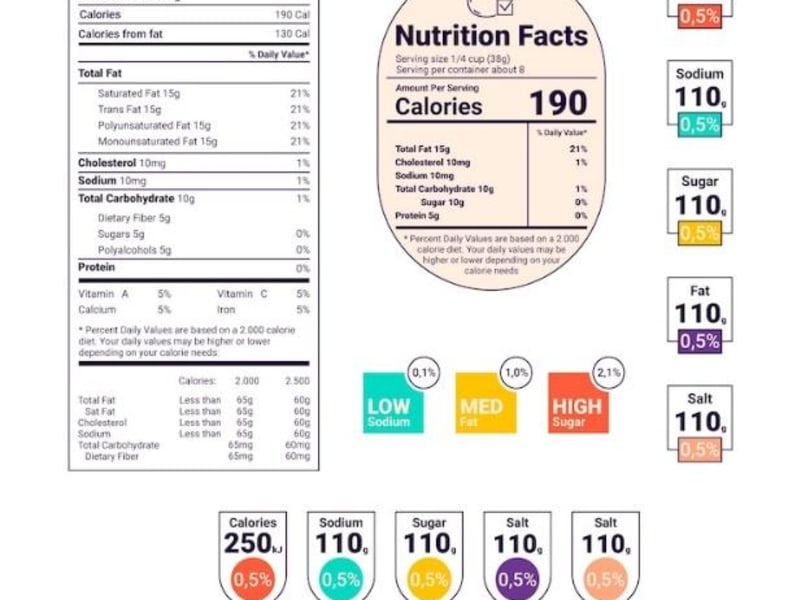
Nutrition labels are designed to inform — but food manufacturers often make them difficult to interpret. This expert guide walks through every section of a nutrition label, exposing the common tricks used to mislead consumers and showing you what to actually look for.
April 14, 2026
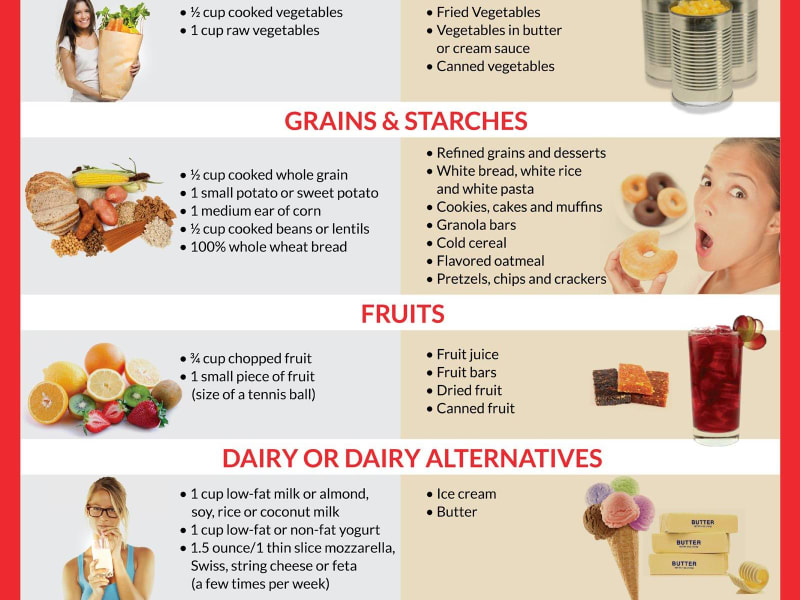
The carbohydrate debate is more nuanced than "eat less carbs." The quality of carbohydrates — their fibre content, processing level, and glycaemic impact — matters far more than their mere presence in your diet. Here's the science behind the distinction.
April 14, 2026
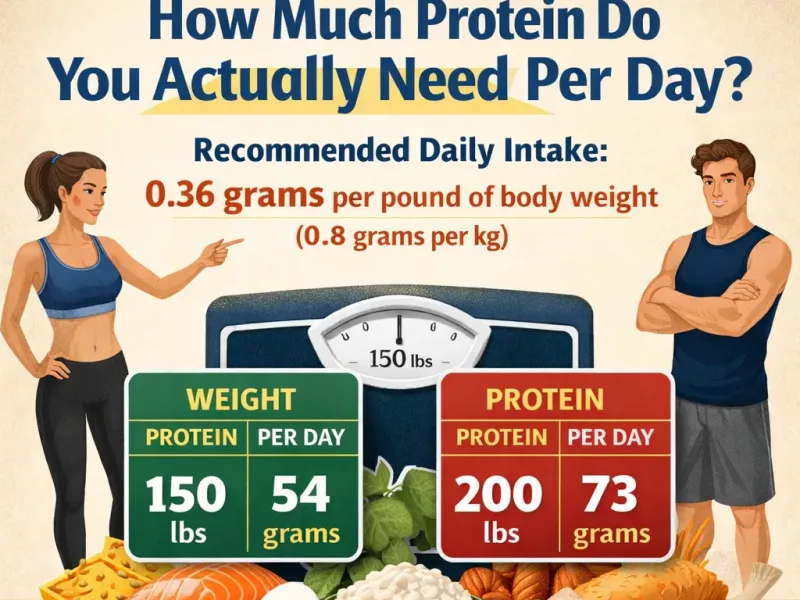
Most official protein recommendations were set to prevent deficiency — not to optimise health, muscle mass, or longevity. New research suggests the real requirements are significantly higher than the standard RDA, particularly for active adults and older populations.
April 13, 2026