

Free Helpline
We are here to assist you.
Health Advisor
+91-8877772277Available 7 days a week
10:00 AM – 6:00 PM to support you with urgent concerns and guide you toward the right care.

We are here to assist you.
Health Advisor
+91-8877772277Available 7 days a week
10:00 AM – 6:00 PM to support you with urgent concerns and guide you toward the right care.
Explore the factors influencing cheek fullness, from genetics to lifestyle, and understand natural methods, surgical options, and makeup techniques for achieving a more sculpted facial appearance.

Many individuals are drawn to the aesthetic of hollow cheeks, a look characterized by a noticeable lack of fullness in the area between the cheekbones and jawline. This sculpted appearance is often perceived as attractive. However, achieving this look involves understanding the underlying factors that contribute to facial volume, primarily bone structure and fat distribution. While genetics play a significant role in determining your bone structure, which is largely unchangeable without surgical intervention, the amount of fat in your cheeks can be influenced by your overall body composition. This means that lifestyle choices like diet and exercise can impact the fullness of your face.
Hollow cheeks, also referred to as a sunken facial appearance, occur when there is a reduced amount of subcutaneous fat in the mid-face region. This creates a more defined look, emphasizing the cheekbones and jawline. People with naturally hollow cheeks often possess a lean facial structure, a low overall body fat percentage, and well-defined bone contours.
Your underlying bone structure is a primary determinant of your facial shape. The prominence of your cheekbones and the angle of your jaw are largely dictated by your genes. If you have naturally high cheekbones or a narrower facial frame, you might already have a tendency towards a more hollowed appearance, regardless of your body fat percentage.
The amount of fat in your face is closely linked to your overall body fat. A lower body fat percentage generally translates to less fat in the face, which can enhance the appearance of hollow cheeks. Studies have shown a correlation between body weight and facial shape, with individuals having a higher Body Mass Index (BMI) often exhibiting rounder, fuller faces.
As we age, our bodies naturally lose fat, including in the face. This can lead to a more sunken appearance over time. While this is a natural process, for some, it might contribute to the desired hollow cheek look. However, it's also important to note that excessive fat loss due to aging can sometimes result in an overly gaunt appearance.
For many, achieving hollow cheeks naturally involves managing body fat. This is a gradual process that requires commitment to a healthy lifestyle.
The most effective way to reduce facial fat naturally is by lowering your overall body fat. This is achieved through a balanced diet that focuses on consuming fewer calories than your body burns. Prioritize whole foods, lean proteins, fruits, vegetables, and healthy fats. Limiting processed foods, sugary drinks, and excessive unhealthy fats can make a significant difference.
A realistic scenario: Consider Priya, who wants to achieve a more defined facial structure. She notices her face looks fuller than she'd like. Instead of searching for a quick fix, she starts by incorporating more vegetables into her meals, swapping her daily fried snack for a handful of almonds, and reducing her intake of sugary chai lattes. Over several months, she notices a subtle but positive change in her facial contours.
Consistent physical activity is essential for burning calories and reducing body fat. A combination of cardiovascular exercises (like brisk walking, running, or cycling) and strength training can help boost your metabolism and contribute to overall fat loss. Remember, you cannot specifically target fat loss in your face alone; overall body fat reduction is key.
Beyond diet and exercise, other healthy habits can support your goals:
If natural methods don't yield the desired results, or if you're looking for more immediate or pronounced changes, medical and surgical options are available. It's crucial to consult with a qualified healthcare professional or a plastic surgeon to discuss these possibilities.
This surgical procedure involves removing the buccal fat pads located within the cheeks. It's often recommended for individuals who have naturally rounded faces due to excess buccal fat and are in good overall health with stable weight. Candidates typically seek to reduce cheek fullness and achieve a more sculpted appearance.
Important Considerations for Buccal Fat Removal:
For those seeking to enhance their facial structure by adding definition, cheek or jaw implants can be an option. These implants are designed to augment the bone structure, creating a more pronounced and sculpted appearance. Like buccal fat removal, this is a surgical procedure with associated costs and recovery times.
A non-invasive and cost-effective alternative to surgical procedures is makeup artistry. Techniques like contouring can create the illusion of hollow cheeks by strategically applying darker shades to create shadows and lighter shades to highlight areas like the cheekbones. Numerous online tutorials can guide you through these techniques.
You might encounter claims that specific facial exercises can hollow out your cheeks. However, there is no scientific evidence to support these claims. The concept of
Most people do not notice early warning signs right away. That is common. A simple symptom diary, basic routine checks, and timely follow-up visits can prevent small problems from becoming serious.
If you are already on treatment, stay consistent with medicines and lifestyle advice. If your symptoms change, do not guess. Check with a qualified doctor and update your plan early.
Write down symptoms, triggers, and timing for a few days.
Carry old prescriptions and test reports to your consultation.
Ask clearly about side effects, red-flag signs, and follow-up dates.
Seek urgent care for severe pain, breathing trouble, bleeding, fainting, or sudden worsening.
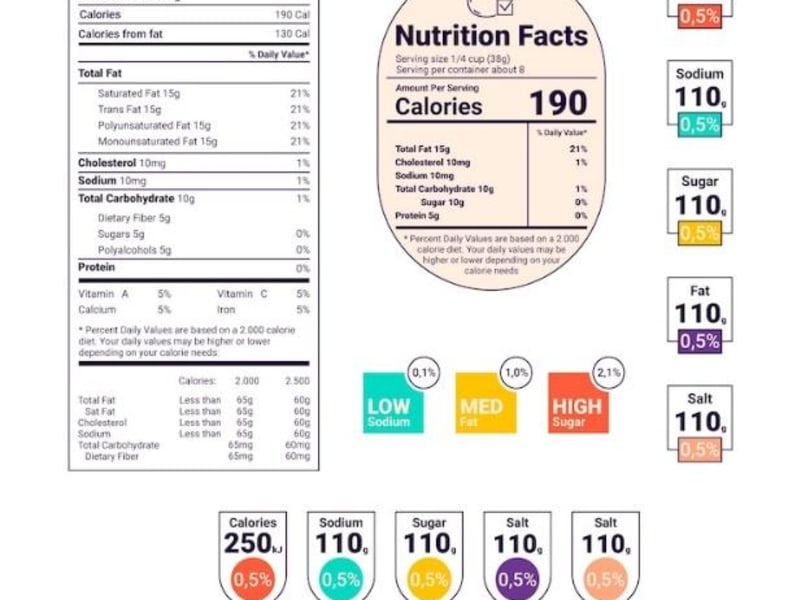
Nutrition labels are designed to inform — but food manufacturers often make them difficult to interpret. This expert guide walks through every section of a nutrition label, exposing the common tricks used to mislead consumers and showing you what to actually look for.
April 14, 2026
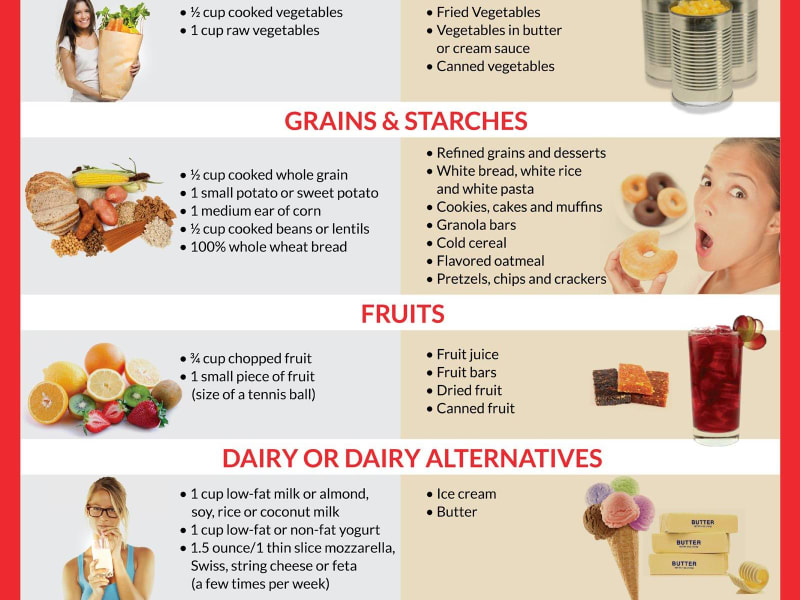
The carbohydrate debate is more nuanced than "eat less carbs." The quality of carbohydrates — their fibre content, processing level, and glycaemic impact — matters far more than their mere presence in your diet. Here's the science behind the distinction.
April 14, 2026
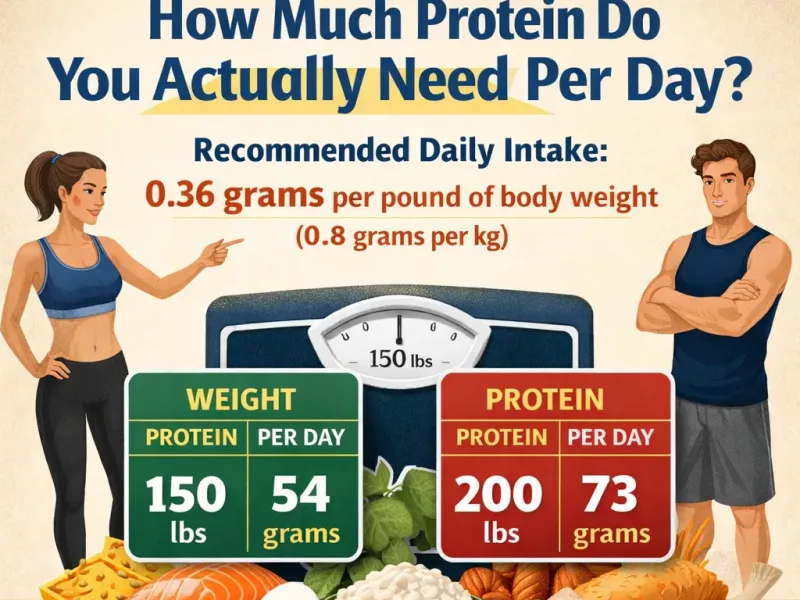
Most official protein recommendations were set to prevent deficiency — not to optimise health, muscle mass, or longevity. New research suggests the real requirements are significantly higher than the standard RDA, particularly for active adults and older populations.
April 13, 2026