

Free Helpline
We are here to assist you.
Health Advisor
+91-8877772277Available 7 days a week
10:00 AM – 6:00 PM to support you with urgent concerns and guide you toward the right care.

We are here to assist you.
Health Advisor
+91-8877772277Available 7 days a week
10:00 AM – 6:00 PM to support you with urgent concerns and guide you toward the right care.
Discover 8 simple shower habits to improve your skin's health, from choosing the right water temperature to effective moisturizing techniques. Learn how to make your daily shower a skin-loving ritual.

The shower is often seen as a daily ritual for hygiene, a quick way to wash away the day's grime. However, it's also a prime opportunity to show your skin some much-needed love and care. The largest organ in your body, your skin, plays a crucial role in protection, temperature regulation, and sensation. Yet, many of us unknowingly engage in shower habits that can strip our skin of its natural oils, disrupt its delicate barrier, and lead to dryness, irritation, or even more significant skin issues. This article explores eight simple yet effective shower habits that can transform your daily routine into a skin-loving self-care session, ensuring your skin stays healthy, hydrated, and radiant.
Before diving into specific habits, it's essential to understand what your skin needs. Your skin has a natural protective barrier, composed of lipids and proteins, that keeps moisture in and irritants out. Harsh soaps, excessively hot water, and prolonged shower times can compromise this barrier, leading to a host of problems. Recognizing these vulnerabilities allows us to make informed choices about our shower practices.
One of the most critical factors in a skin-friendly shower is water temperature. While a steaming hot shower might feel incredibly relaxing, it can be detrimental to your skin. Dr. Teo Soleymani, an associate professor of Dermatology and Dermatologic Surgery at UCLA, recommends keeping your shower temperature between 98°F and 105°F (37°C–41°C). Lukewarm water, close to body temperature or slightly warmer, is ideal.
Finding the right balance ensures effective cleansing without compromising your skin's natural protective layer.
The longer you spend in the shower, the more your skin is exposed to water and cleansing agents, which can lead to dehydration and barrier disruption. Dr. Soleymani advises that ideal shower times are around 8 to 10 minutes. Exceeding this window can strip away essential natural oils and damage the skin's protective barrier.
Aim for efficiency in your shower routine to maximize benefits while minimizing potential harm.
The products you use in the shower play a significant role in your skin's health. Many soaps and body washes contain harsh chemicals, artificial fragrances, and a long list of ingredients that can irritate sensitive skin or trigger allergic reactions.
Rule number one for cleansers is to opt for products with the fewest ingredients possible. The more ingredients a product has, the higher the chance of encountering something that irritates your skin.
While your skin naturally renews itself every 28-56 days, regular exfoliation can help speed up this process and remove accumulated dead skin cells and product residue. This reveals fresher, brighter skin underneath and allows moisturizers to penetrate more effectively.
Exfoliation should leave your skin feeling smooth, not raw or irritated.
The best time to moisturize is immediately after you step out of the shower, while your skin is still slightly damp. This helps to trap the moisture that has been absorbed during your shower, preventing it from evaporating into the air.
Choose a moisturizer suited to your skin type – thicker creams for dry skin, lighter lotions for oily or normal skin.
Did you know that the quality of your tap water can affect your skin? Hard water, which contains high levels of minerals like calcium and magnesium, is a common issue affecting a large percentage of households. While not directly harmful, hard water can leave a residue on the skin, making it harder to rinse off soap and potentially leading to dryness, dullness, and clogged pores over time.
Addressing hard water issues can make a noticeable difference in your skin's texture and health.
While simplicity is often best, certain natural additives can enhance your shower experience and benefit your skin. Research suggests that ingredients like rosemary and coconut oil can provide moisturizing properties.
Caution: Always introduce new ingredients slowly and patch-test first. Be mindful of potential allergies or sensitivities. Avoid ingredients that are known irritants.
If you shower in the morning and plan to go outdoors, remember that your skin is now clean and potentially more sensitive. Applying sunscreen 15-30 minutes before sun exposure is crucial, even on cloudy days.
Choose a broad-spectrum sunscreen with an SPF of 30 or higher.
While these shower habits can significantly improve your skin's health, it's important to know when to seek professional advice. Consult a dermatologist if you experience any of the following:
Transforming your shower routine from a simple cleansing act into a mindful skin-care practice is achievable with these eight easy habits. By paying attention to water temperature, shower duration, product choices, exfoliation, immediate moisturization, water quality, beneficial additives, and post-shower sun protection, you can significantly enhance the health and appearance of your skin. Embrace these simple changes and give your skin the gentle, loving care it deserves every day.
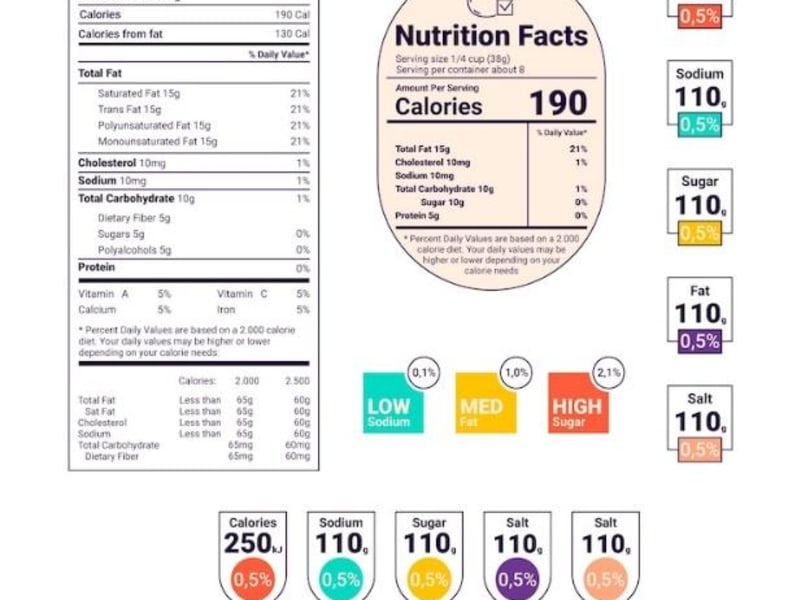
Nutrition labels are designed to inform — but food manufacturers often make them difficult to interpret. This expert guide walks through every section of a nutrition label, exposing the common tricks used to mislead consumers and showing you what to actually look for.
April 14, 2026
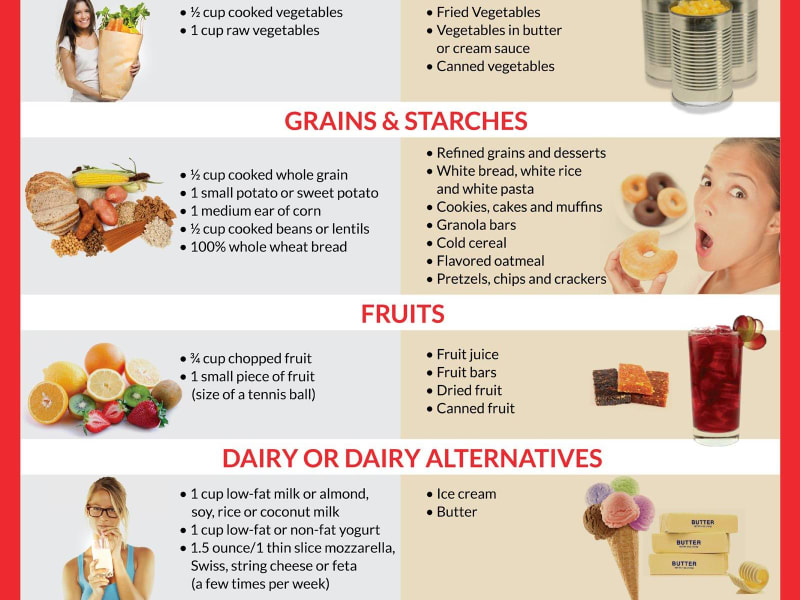
The carbohydrate debate is more nuanced than "eat less carbs." The quality of carbohydrates — their fibre content, processing level, and glycaemic impact — matters far more than their mere presence in your diet. Here's the science behind the distinction.
April 14, 2026

Most official protein recommendations were set to prevent deficiency — not to optimise health, muscle mass, or longevity. New research suggests the real requirements are significantly higher than the standard RDA, particularly for active adults and older populations.
April 13, 2026