

Free Helpline
We are here to assist you.
Health Advisor
+91-8877772277Available 7 days a week
10:00 AM – 6:00 PM to support you with urgent concerns and guide you toward the right care.

We are here to assist you.
Health Advisor
+91-8877772277Available 7 days a week
10:00 AM – 6:00 PM to support you with urgent concerns and guide you toward the right care.
Learn how to walk with proper posture and technique to reduce pain, boost energy, and improve overall health. A step-by-step guide for everyday movement.

Most of us probably don't think twice about how we walk. It’s something we do every day, often without conscious effort. However, paying attention to your walking technique and posture can unlock a surprising number of benefits, from reducing aches and pains to boosting your energy levels. In India, where walking is a common mode of transport and a popular form of exercise, understanding the right way to walk is especially valuable. This guide will break down the simple yet effective steps to improve your gait and posture, making every step count.
Walking correctly isn't just about looking good; it's about functioning better. When you walk with good posture and the right technique, you align your bones and joints properly. This alignment minimises the wear and tear on your joints, muscles, and ligaments. Think of it like maintaining your car – regular, proper use prevents premature breakdown. For us, this means preventing common issues like back pain, hip pain, neck discomfort, and leg aches that can arise from poor walking habits. Moreover, efficient walking conserves energy, meaning you feel less tired after a stroll, and it can even improve your circulation and muscle strength over time.
Improving your walk involves being mindful of your body from your head all the way down to your feet. Let's break it down:
Your head position sets the tone for your entire posture. When you walk:
A straight, supported spine is key to pain-free walking.
Tense, hunched shoulders can lead to significant discomfort.
Your arms play a role in balance and momentum.
Your hips should remain relatively stable, not rocking excessively from side to side.
This is the fundamental pattern of a step.
Don't overthink your stride length; focus on efficient movement.
Consider Priya, a young professional in Mumbai who spends hours at her desk. Lately, she's been experiencing persistent lower back pain and stiffness, especially after her evening walks. She realised she often slumps at her desk and tends to hunch her shoulders and look down at her phone while walking. By applying the principles of proper walking – keeping her head up, engaging her core, and ensuring a heel-to-toe gait – she noticed a significant reduction in her back pain within a couple of weeks.
Adopting good walking habits offers a wealth of advantages:
The shoes you wear significantly impact your walk. For regular walking, especially for more than a few minutes:
While improving your walking technique is largely within your control, certain situations warrant a doctor's visit:
A doctor or a physiotherapist can assess your gait, identify specific issues, and recommend personalised exercises or treatments.
Yes, it can. Poor posture, especially a forward head position, puts strain on the neck and upper back muscles. This tension can radiate upwards, leading to tension headaches.
Initially, you might need to remind yourself frequently. Try setting reminders on your phone. As you practice, good posture will become more automatic. Aim to check in with your posture at the start of a walk, after sitting for a long time, and periodically during longer walks.
Yes. Walking on uneven surfaces like trails requires more attention to balance and foot placement. On smooth surfaces, focus more on maintaining your heel-to-toe gait and posture. Always ensure your footwear is appropriate for the surface.
Flat feet can sometimes lead to overpronation (the foot rolling inward excessively). This can affect alignment up the kinetic chain. Wearing supportive shoes with good arch support and consulting a podiatrist or physiotherapist for specific exercises can be very beneficial.

The superfood label is a marketing construct — but that doesn't mean all the foods wearing it are frauds. Some genuinely deserve the designation based on density of nutrients and breadth of evidence; others are expensive substitutes for far cheaper alternatives. Here's the honest breakdown.
April 14, 2026
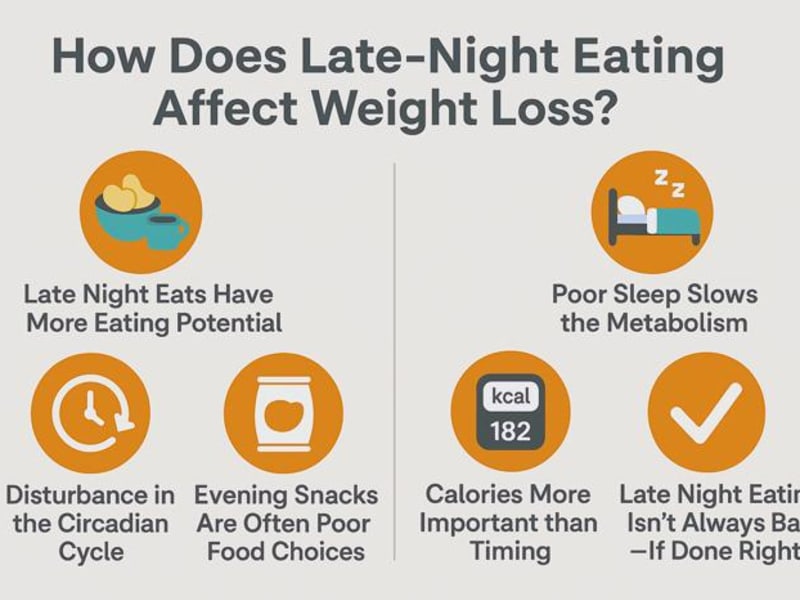
The belief that eating after 8pm automatically causes weight gain is pervasive — but the reality is more nuanced. Circadian biology, food choices, and total caloric intake all interact in ways that make the question far more interesting than a simple yes or no.
April 14, 2026
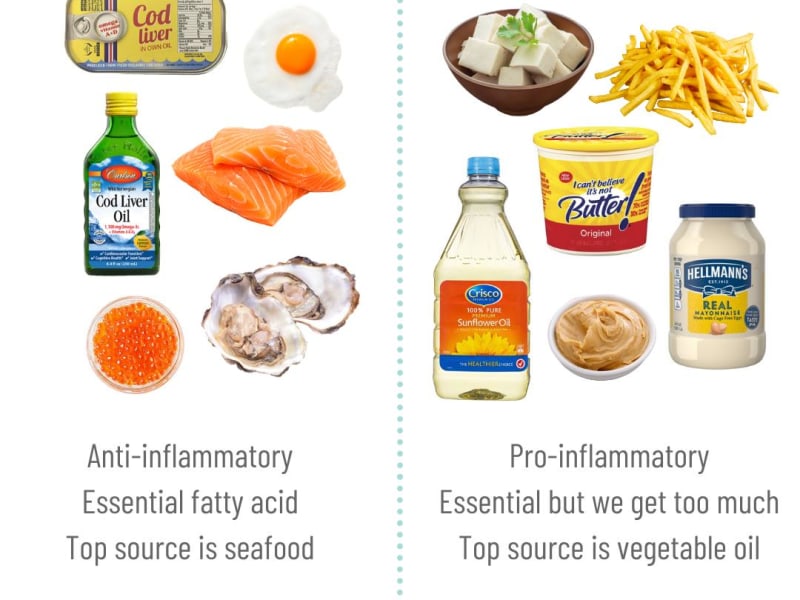
Your body needs both omega-3 and omega-6 fatty acids — but the ratio between them may be as important as their individual quantities. Modern diets have shifted this ratio dramatically, with serious implications for chronic disease and inflammation.
April 14, 2026