What Exactly Are Flanks (Love Handles)?
Flanks, commonly known as “love handles,” refer to the excess fat that accumulates on the sides of your lower waist and back. While fat can build up anywhere on the body, this area is a common spot for storage, especially around the midsection. This tendency can be influenced by several factors, including your genetics, hormone levels, and gender. As we age, our bodies naturally tend to redistribute fat, often moving it from our limbs to our trunk. Coupled with a slowing metabolism, this can lead to noticeable weight gain in the flank area.
It's a common misconception that you can target specific areas of your body for fat loss. The truth is, if you want to reduce fat in your flanks, you need to focus on overall weight loss. This means adopting healthy habits that help you burn calories and fat throughout your entire body.
Strategies for Healthy Flank Fat Reduction
Achieving a caloric deficit is the cornerstone of any successful weight loss plan. A caloric deficit occurs when you consistently burn more calories than you consume. Here’s how to create this deficit in a healthy and sustainable manner:
1. Balanced and Nutrient-Dense Diet
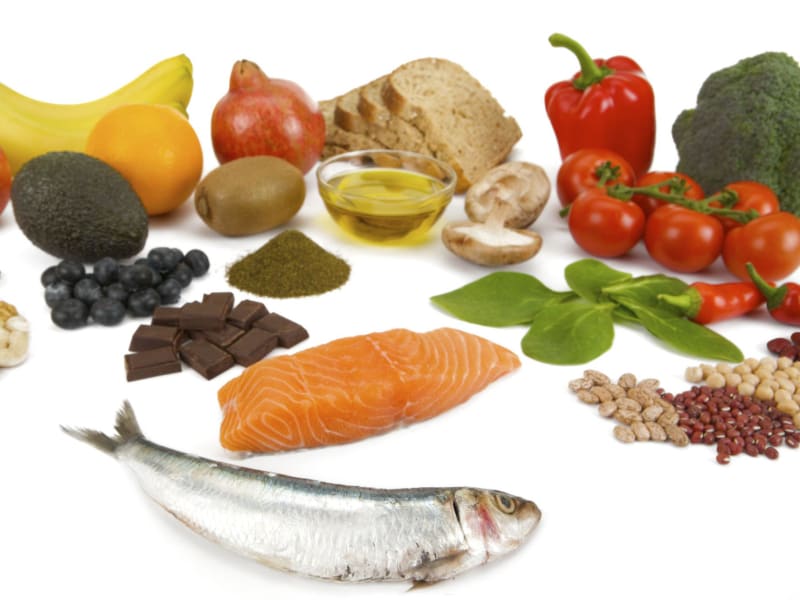
Focus on a diet rich in whole foods that are naturally lower in calories but packed with nutrients. This approach helps you feel full and satisfied, making it easier to stick to your goals.
- Fruits and Vegetables: These are low in calories and high in fiber, a key component for satiety. They also provide essential vitamins and minerals vital for overall health. Aim to fill at least half your plate with these colourful powerhouses at every meal.
- Whole Grains: Swap refined grains like white bread and pasta for their whole-grain counterparts. Think brown rice, quinoa, and whole wheat bread. These offer more fiber and nutrients, aiding in sustained energy release.
- Lean Protein: Incorporate sources like fish, skinless poultry, lean cuts of beef, and legumes. Protein is essential for muscle repair and also contributes to feeling full, helping to manage appetite.
- Healthy Fats: Replace saturated fats with unsaturated fats found in avocados, nuts, seeds, and olive oil. These fats are important for hormone production and nutrient absorption.
- Limit Processed Foods: These are often high in calories, unhealthy fats, sugar, and sodium, offering little nutritional value. Reducing your intake of packaged snacks, sugary drinks, and fast food can make a significant difference.
2. Hydration is Key
Water is calorie-free and plays a vital role in weight management. Drinking water before meals can help you feel fuller, potentially reducing your overall food intake. Furthermore, when you choose water over sugary beverages like sodas and sweetened juices, you significantly cut down on empty calories.
3. Embrace Regular Cardio Exercise
Cardiovascular exercise is excellent for burning calories, improving heart health, boosting your mood, and strengthening your bones. Aim for at least 150 minutes of moderate-intensity aerobic activity per week, or 75 minutes of vigorous-intensity activity. Consider incorporating activities you enjoy to make it sustainable.
Examples of beneficial aerobic activities include:
- Brisk walking
- Running or jogging
- Cycling
- Swimming
- Dancing
- Hiking
Consistent cardio helps your body tap into fat reserves for energy, contributing to overall fat loss, including in the flank area.
4. Prioritize Adequate Sleep
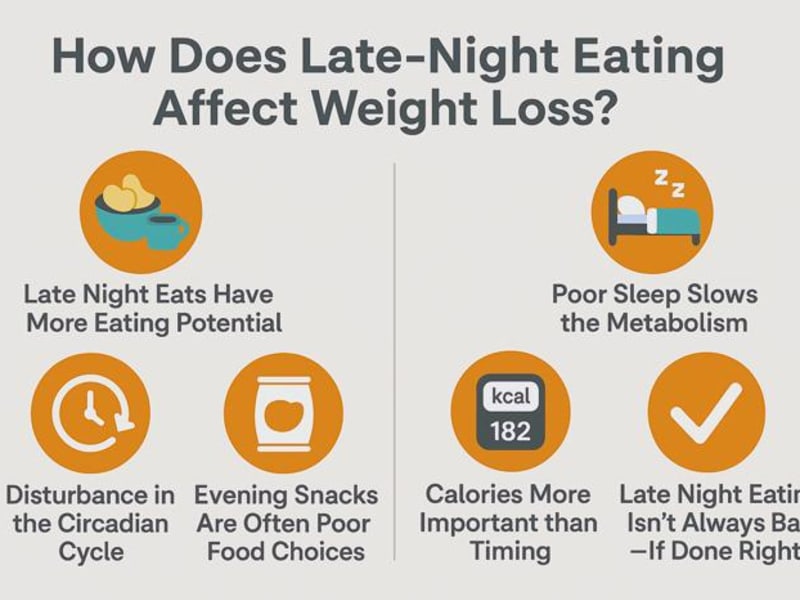
Sleep is not just for rest; it's critical for regulating your metabolism. Insufficient sleep can disrupt hormones that control appetite, such as ghrelin (the hunger hormone), potentially leading to increased cravings and overeating. Adults typically need 7 to 9 hours of quality sleep per night for optimal bodily function and weight management.
5. Manage Stress Effectively
Chronic stress can trigger physiological responses that promote fat storage, particularly around the abdomen. It can also lead to poor sleep, increased appetite, and a decreased motivation to exercise. Finding healthy ways to manage stress is therefore an important part of your weight loss journey.
Effective stress-reduction techniques include:
- Mindfulness and meditation
- Deep breathing exercises
- Yoga or Tai Chi
- Spending time in nature
- Engaging in hobbies
- Seeking support from friends, family, or a therapist
Targeted Exercises for Core Strength
While you can't spot-reduce fat, you can strengthen and define the muscles beneath the flank area. This includes your core and back muscles. Building these muscles can improve your posture and contribute to a more toned appearance as you lose overall body fat.
1. Side Plank
This exercise targets your oblique muscles, which are located on the sides of your waist, directly under the flank area.
- Lie on your right side with your legs stacked and knees bent.
- Place your right elbow directly under your shoulder, supporting your upper body.
- Engage your core and lift your hips off the floor, creating a straight line from your head to your feet. Hold this position for 20-30 seconds.
- Slowly lower your hips back down.
- Repeat on the left side. Aim for 2-3 sets on each side.
2. Bicycle Crunches
A classic for a reason, this move works your abdominal muscles and obliques effectively.
- Lie on your back with your knees bent at a 90-degree angle and hands clasped behind your head.
- Engage your core and lift your shoulders slightly off the floor.
- Bring your right elbow towards your left knee while extending your right leg straight out.
- Switch sides, bringing your left elbow towards your right knee as you extend your left leg. Continue alternating in a pedaling motion for 15-20 repetitions per side.
- Aim for 2-3 sets.
3. Russian Twists
This exercise targets the rotational muscles of your core, which are essential for stabilizing your torso.
- Sit on the floor with your knees bent and feet flat on the ground (or slightly lifted for a greater challenge).
- Lean back slightly, keeping your back straight and core engaged.
- Clasp your hands together in front of your chest.
- Twist your torso to the right, tapping your hands on the floor beside your hip.
- Return to the center and twist to the left. Continue alternating sides for 15-20 repetitions per side.
- You can hold a weight (like a dumbbell or medicine ball) for added resistance. Aim for 2-3 sets.
Medical Treatments for Flank Fat
For individuals who have tried lifestyle changes without achieving their desired results, certain medical procedures might be an option. It's important to discuss these with a qualified healthcare professional to understand the risks, benefits, and suitability for your specific situation.
Cryolipolysis (CoolSculpting)
This non-invasive procedure uses controlled freezing temperatures to damage and eliminate fat cells in targeted areas. Over the next 4 to 6 months, the body naturally processes and removes these treated fat cells. While effective for localized fat reduction, it's not a weight-loss solution for individuals who are significantly overweight.
Liposuction
Liposuction is a surgical procedure that physically removes fat deposits from specific areas of the body using suction. It can be effective for contouring the body and removing stubborn fat, including from the flanks. However, like any surgery, it carries risks and requires a recovery period.
When to Consult a Doctor
If you are concerned about flank fat, especially if it is accompanied by other health issues or if you've struggled with weight loss despite consistent efforts, it's a good idea to consult your doctor. They can help rule out any underlying medical conditions, provide personalized advice on diet and exercise, and discuss appropriate treatment options if necessary.
Consider seeking medical advice if:
- You notice a sudden or unexplained increase in abdominal fat.
- You have other symptoms like fatigue, changes in appetite, or mood disturbances.
- You are considering medical procedures for fat reduction.
- You need help creating a safe and effective weight loss plan.
Frequently Asked Questions (FAQ)
Q1: Can I really not spot-reduce flank fat?
A1: Unfortunately, it's not possible to target fat loss in just one specific area of your body. Fat loss occurs systemically. When you create a caloric deficit through diet and exercise, your body draws energy from fat stores all over, including your flanks.
Q2: How long does it take to see results in reducing flank fat?
A2: Results vary depending on your starting point, consistency with diet and exercise, and individual metabolism. Generally, noticeable changes from lifestyle modifications can take several weeks to a few months. Medical procedures like CoolSculpting also take time, with final results appearing over 4-6 months.
Q3: Are love handles a sign of a serious health problem?
A3: While love handles themselves aren't a disease, excess abdominal fat, including flank fat, is often linked to an increased risk of certain health issues like heart disease, type 2 diabetes, and high blood pressure. Maintaining a healthy weight and body composition is beneficial for overall health.
Q4: Can I lose flank fat just by doing core exercises?
A4: Core exercises are excellent for strengthening and toning the muscles in your midsection, which can improve your appearance. However, they do not directly burn the layer of fat covering those muscles. Fat loss requires a caloric deficit achieved through diet and overall physical activity.