

Free Helpline
We are here to assist you.
Health Advisor
+91-8877772277Available 7 days a week
10:00 AM – 6:00 PM to support you with urgent concerns and guide you toward the right care.

We are here to assist you.
Health Advisor
+91-8877772277Available 7 days a week
10:00 AM – 6:00 PM to support you with urgent concerns and guide you toward the right care.
Discover the science behind showering after your workout. Learn whether hot or cold water is better for recovery, and get practical tips for a refreshing post-exercise routine.

You’ve just crushed your workout. Your heart is pounding, your muscles are warm, and a satisfying sweat coats your skin. What’s the first thing you want to do? For most of us, it’s heading straight for the shower. But is a post-workout shower just about hygiene, or can it actually help your body recover? Let’s explore the science and practical tips behind showering after exercise, especially for us here in India, where staying cool and comfortable is often a priority.
When you exercise, your body works hard. Your heart rate increases, your body temperature rises, and you sweat to cool down. Showering after a workout serves several important purposes:
This is where things get interesting! Many people instinctively reach for a hot shower, thinking it will relax their muscles. However, scientific evidence suggests that a cold shower might offer more direct recovery benefits.
Studies, including a small one involving nine individuals, indicate that a cold shower can help decrease your heart rate and reduce cardiac stress relatively quickly after exercising, particularly in warm environments. This is because cold water can constrict blood vessels, which may help reduce inflammation and muscle soreness. Think of it like an ice pack for your whole body!
However, it’s not all clear-cut. Some research, like a 2017 study, suggests that cold water immersion isn't necessarily superior to active recovery methods (like a gentle cycle on a stationary bike) for reducing inflammation or cellular stress in muscles after resistance training. Also, hopping directly into a very cold shower right after a hot workout might cause your muscles to stiffen or your heart rate to spike unexpectedly.
A hot shower feels incredibly comforting after a tough workout. It can certainly help relax your muscles and provide a sense of relief. However, the scientific evidence on whether hot water immersion specifically aids in workout recovery is less clear, according to a 2013 survey of medical literature. While it feels good, it might not be the most effective way to speed up your body’s return to its pre-workout state.
So, what’s the ideal way to shower after exercise? The consensus leans towards a gradual approach that incorporates elements of both:
This method combines the comfort of warm water with the recovery benefits of cold water, giving you the best of both worlds.
Remember, showering is just one part of your post-workout recovery. For optimal results, consider these additional steps:
Imagine you’ve just finished a brisk morning walk in Delhi’s heat, feeling thoroughly sweaty. You’re eager to get ready for work. Instead of jumping straight into a very hot shower, you take a few minutes to do some gentle stretches. Then, you step into a warm shower, letting the water rinse away the sweat. As you finish up, you turn the water to cool for about a minute, feeling a refreshing tingle as it washes over your legs and arms. You feel clean, less sticky, and ready to face the day.
While showering after a workout is generally safe and beneficial, there are times when you should seek medical advice:
Generally, no. However, jumping into a very cold shower immediately after intense exercise might cause a sudden spike in heart rate or muscle stiffness for some individuals. It’s better to cool down for a few minutes first.
While cold showers can slightly boost metabolism and activate brown fat, they are not a primary method for significant weight loss. A balanced diet and regular exercise are far more effective.
Aim for 5 to 10 minutes of light activity, like walking or stretching, to gradually bring your heart rate and body temperature down before you shower.
A warm bath can be relaxing for muscles. Adding Epsom salts might help soothe soreness. However, for the recovery benefits related to temperature regulation and flushing out lactic acid, a shower, especially one ending with cold water, is often considered more effective.
For high-intensity workouts, the gradual approach (cool-down, warm shower, cold finish) is particularly beneficial. For lighter activities, a regular warm shower is usually sufficient for hygiene and comfort.
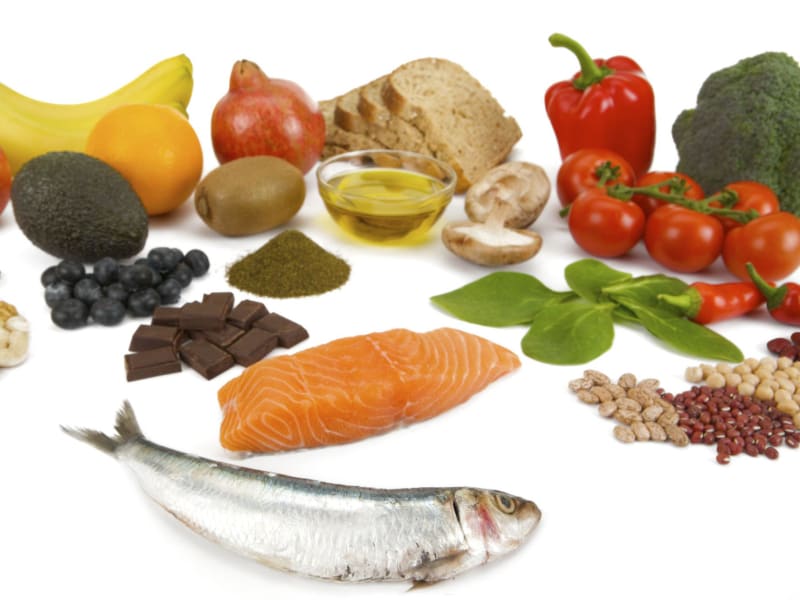
The superfood label is a marketing construct — but that doesn't mean all the foods wearing it are frauds. Some genuinely deserve the designation based on density of nutrients and breadth of evidence; others are expensive substitutes for far cheaper alternatives. Here's the honest breakdown.
April 14, 2026
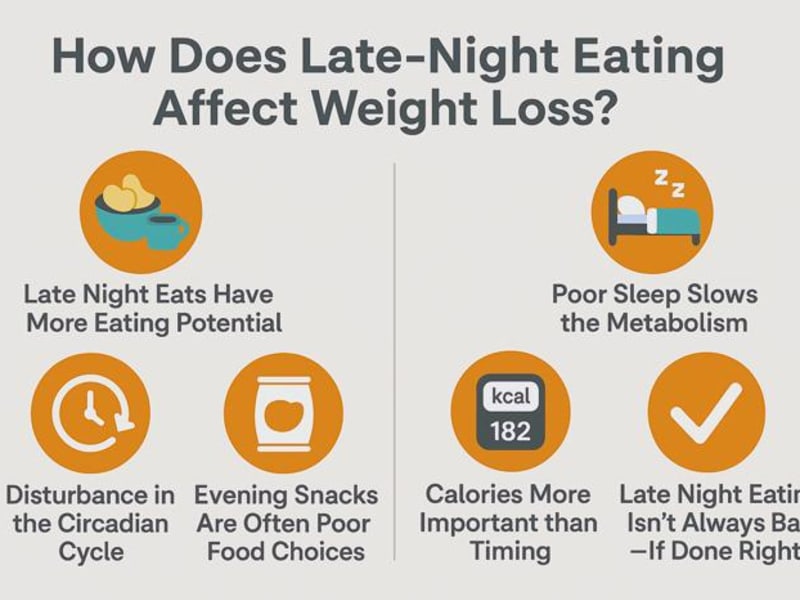
The belief that eating after 8pm automatically causes weight gain is pervasive — but the reality is more nuanced. Circadian biology, food choices, and total caloric intake all interact in ways that make the question far more interesting than a simple yes or no.
April 14, 2026
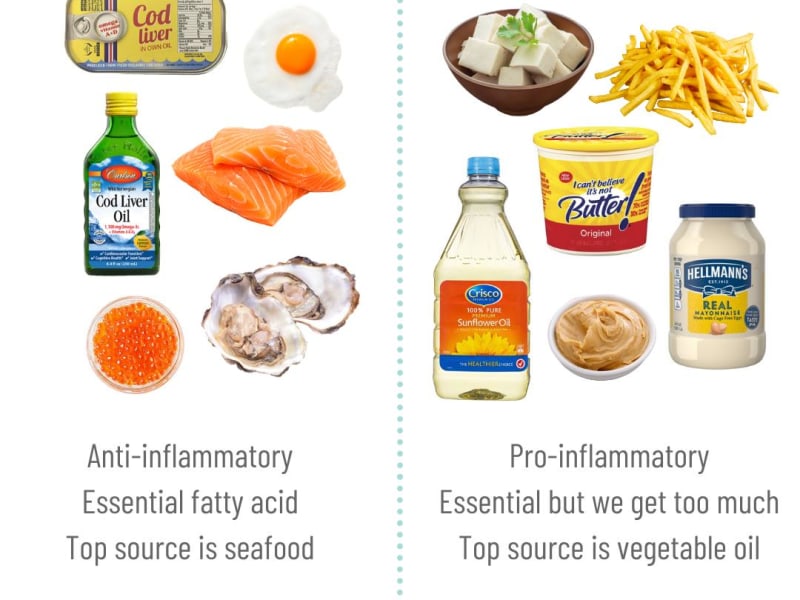
Your body needs both omega-3 and omega-6 fatty acids — but the ratio between them may be as important as their individual quantities. Modern diets have shifted this ratio dramatically, with serious implications for chronic disease and inflammation.
April 14, 2026