

Free Helpline
We are here to assist you.
Health Advisor
+91-8877772277Available 7 days a week
10:00 AM – 6:00 PM to support you with urgent concerns and guide you toward the right care.

We are here to assist you.
Health Advisor
+91-8877772277Available 7 days a week
10:00 AM – 6:00 PM to support you with urgent concerns and guide you toward the right care.
Discover if running truly makes your butt bigger! Learn about muscle fibers, exercise types, and how to sculpt your glutes effectively with running and strength training.

Have you ever wondered if all those miles you're logging are doing more than just improving your cardiovascular health? Specifically, are they shaping your glutes – giving you that toned, lifted look? It’s a common question, especially with so many fitness trends focused on the posterior chain. Let’s break down the science behind running and its effect on your gluteal muscles.
Running is a fantastic full-body workout, engaging various muscle groups. Your glutes, comprising the gluteus maximus, gluteus medius, and gluteus minimus, are definitely involved. The gluteus maximus is the largest and most powerful muscle in your body, playing a key role in hip extension and stability – movements essential for running.
However, whether running makes your butt bigger isn't a simple yes or no answer. It largely depends on the type of running you do. This is where muscle fiber types come into play. We have two main types: Type I (slow-twitch) and Type II (fast-twitch) muscle fibers.
Distance runners, those who focus on long, steady-paced runs, primarily utilize Type I muscle fibers. These fibers are incredibly efficient at using oxygen and are built for endurance. Think of them as the marathon runners of your muscles – they can keep going for a long time without fatiguing. While they are essential for covering long distances, Type I fibers are smaller and don't typically hypertrophy (grow in size) significantly. So, while your glutes will become stronger and more resilient with distance running, you might not see a dramatic increase in their overall size.
On the flip side, sprinting and high-intensity interval training (HIIT) runs heavily recruit Type II muscle fibers. These are your power players – larger, stronger, and capable of producing explosive force for short bursts. When you sprint, these Type II fibers are challenged to contract powerfully and quickly. This type of training stimulus is what leads to hypertrophy, or muscle growth. Because your glutes are crucial for powerful hip extension during sprints, this type of running has a greater potential to increase glute size.
So, if your goal is a more voluminous backside, incorporating sprints or hill repeats into your running routine could be more effective than solely focusing on long-distance jogging.
Running is an excellent calorie-burning activity, and this plays a role in how your body looks, including your glutes. The body uses different fuel sources during exercise: carbohydrates and fats.
Even during high-intensity runs, you are still burning fat, and the total number of calories burned per minute is higher, which can contribute to overall fat loss. This overall fat loss can make your muscles, including your glutes, appear more defined. However, if you have a lot of body fat covering your glutes, you might not see the increased muscle size as prominently.
While running can contribute to glute strength and potentially size (especially sprinting), it’s not the only exercise that targets these muscles. For optimal glute development, consider incorporating strength training exercises that specifically activate and challenge the gluteus maximus.
Exercises that have shown high glute activation include:
Combining running with targeted strength training can provide a well-rounded approach to both cardiovascular fitness and glute sculpting.
Meet Priya, a 30-year-old who loves her daily 5k jogs. She’s noticed her stamina has improved, but she’s disappointed that her glutes haven’t become noticeably larger or more toned as she’d hoped. She’s now considering adding two days of strength training per week, focusing on squats and hip thrusts, alongside her running routine to achieve her desired physique.
If you're aiming for specific fitness goals, whether it's increasing glute size, improving running performance, or managing an injury, consulting with a certified personal trainer or a sports physiotherapist can be invaluable. They can help you design a personalized training plan that aligns with your objectives and ensures you're exercising safely and effectively.
Running, particularly distance running, primarily builds endurance-focused Type I muscle fibers, which are smaller. This means your glutes will get stronger, but they may not increase significantly in size. If you have a higher body fat percentage, increased calorie burn from running might lead to overall fat loss, which could make your glutes appear smaller if muscle hasn't grown substantially.
Yes, sprinting is generally more effective for glute growth than jogging. Sprinting heavily recruits Type II muscle fibers, which are larger and more prone to hypertrophy (muscle growth). The powerful contractions involved in sprinting directly stimulate the gluteal muscles to adapt and grow.
Consistency is key. If you're incorporating sprints or hill runs, aim for 1-2 sessions per week. For distance running, regular runs 3-5 times a week will build endurance and strength. Remember, visible changes in muscle size also depend on your diet and overall training program, including strength training.
Running can help reduce overall body fat, which may lessen the appearance of cellulite. Cellulite occurs when fat cells push through connective tissue. While running won't eliminate cellulite entirely, a reduction in body fat and increased muscle tone can make it less noticeable.
Tight hips can be a common issue for runners. Incorporating dynamic stretching before runs (like leg swings and hip circles) and static stretching or foam rolling after runs can help improve flexibility. If tightness persists, consider consulting a physiotherapist.

The superfood label is a marketing construct — but that doesn't mean all the foods wearing it are frauds. Some genuinely deserve the designation based on density of nutrients and breadth of evidence; others are expensive substitutes for far cheaper alternatives. Here's the honest breakdown.
April 14, 2026
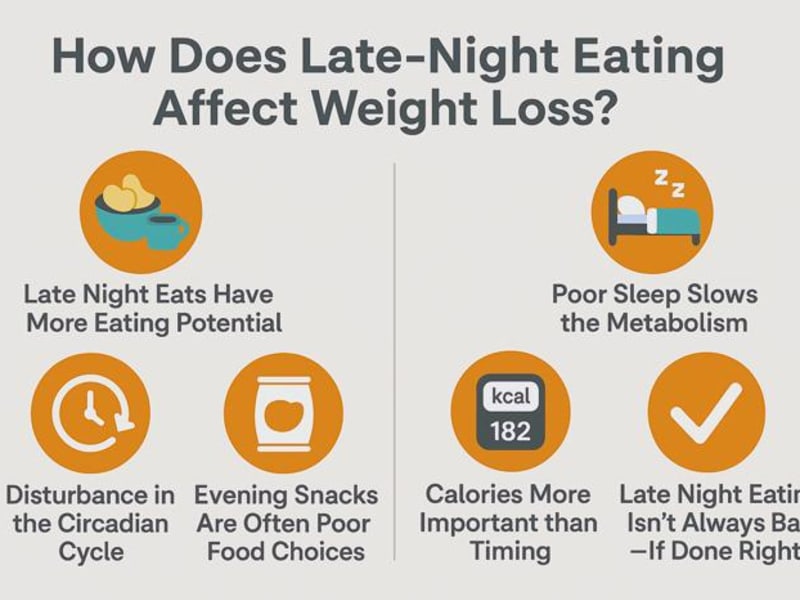
The belief that eating after 8pm automatically causes weight gain is pervasive — but the reality is more nuanced. Circadian biology, food choices, and total caloric intake all interact in ways that make the question far more interesting than a simple yes or no.
April 14, 2026
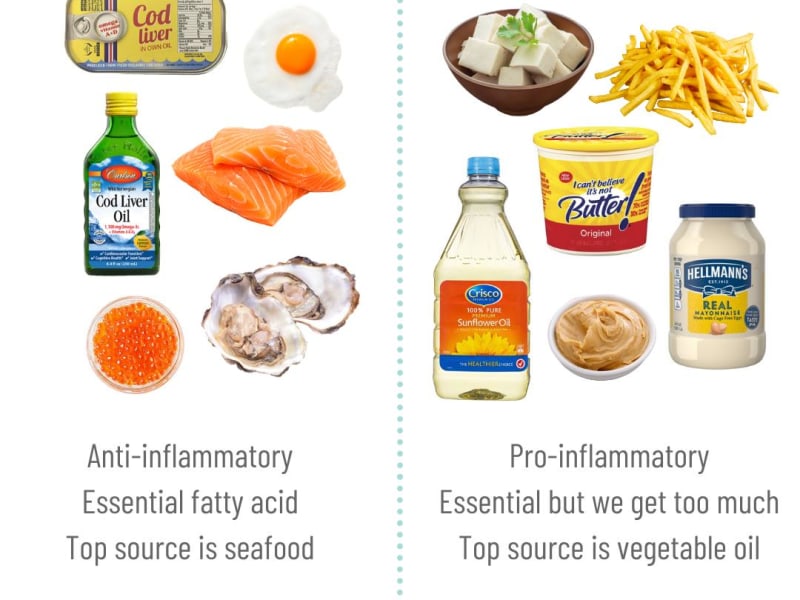
Your body needs both omega-3 and omega-6 fatty acids — but the ratio between them may be as important as their individual quantities. Modern diets have shifted this ratio dramatically, with serious implications for chronic disease and inflammation.
April 14, 2026