The idea of running after the sun goes down might conjure up images of dimly lit streets and uncertain safety. However, for many, especially those with busy daytime schedules or a preference for cooler temperatures, running at night offers a unique set of advantages. It's not just about squeezing in a workout; it's about a potentially more peaceful, less interrupted, and even sleep-enhancing experience. This guide explores the benefits of nighttime runs and, more importantly, provides practical safety tips to ensure you can enjoy your evening miles with confidence.
Why Choose Night Runs? Unpacking the Benefits
Running isn't just about physical fitness; it's a powerful tool for stress relief and mental well-being. When the day's demands fade, a nighttime run can offer a much-needed release. Let's look at some specific advantages:
Improved Sleep Quality
Contrary to what some might believe, exercising in the evening, particularly running, can positively influence your sleep. Research suggests that a good evening workout can help you fall asleep faster and experience deeper, more restorative sleep. The key is timing; exercising too close to bedtime might be disruptive for some, but a well-timed run can prepare your body for rest.
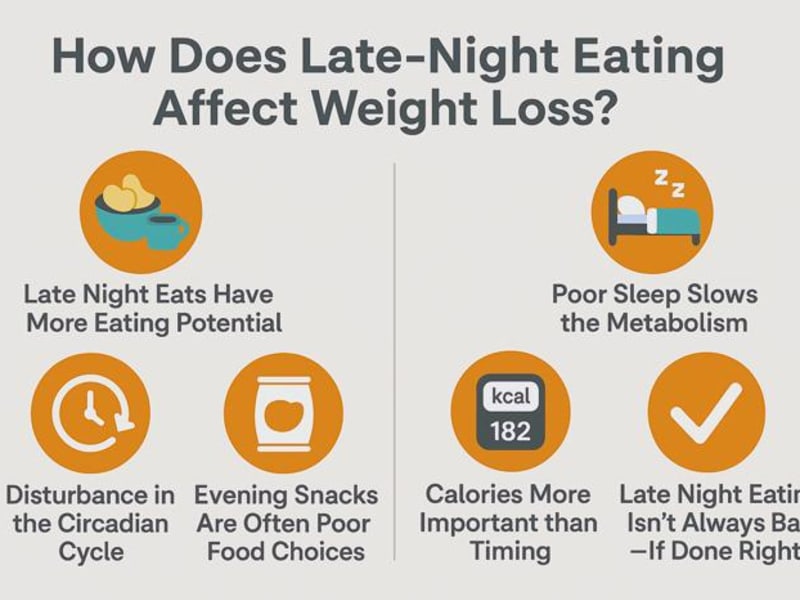
A Strategic Approach to Eating
Knowing you have a run planned later can subtly influence your food choices throughout the day. You might find yourself opting for lighter, easily digestible meals, especially in the hours leading up to your run. This conscious choice can help you avoid heavy, fried foods and potentially reduce your intake of alcoholic beverages at dinner. Instead, you might reach for hydrating options like coconut water, herbal teas, or fresh juices.
Consider this common scenario: Priya often feels sluggish after a heavy lunch. She's trying to incorporate a run into her day but finds it hard to exercise on a full stomach. By planning her run for the evening, she naturally adjusts her lunch and dinner to lighter options, making her post-work run more comfortable and enjoyable.
Flexibility for Busy Schedules
Early morning runs can be challenging if you're not a morning person or if your alarm consistently fails you. Similarly, midday runs might be impossible due to work or other commitments. Night runs offer a practical alternative, allowing you to complete your workout without the pressure of a packed morning schedule. This flexibility means you're less likely to skip your run altogether.
Fewer Distractions, More Focus
As the day winds down, the hustle and bustle often decrease. This quieter atmosphere can translate to fewer interruptions and distractions during your run. You might find it easier to focus on your pace, your breathing, and the simple act of running, potentially allowing you to cover more distance or simply enjoy a more mindful experience.
A Powerful Stress Reliever
The end of the day is a prime time to shed the accumulated stress and tension. Running releases endorphins, those feel-good chemicals that naturally elevate your mood and combat feelings of anxiety and depression. A nighttime run provides a dedicated time to process the day's frustrations, clear your head, and arrive at bedtime feeling more at peace.
Improved Physical Readiness
For many, the body feels more limber and ready for exercise as the day progresses. Morning stiffness can be a real issue, especially for those with certain medical conditions or simply those who feel less flexible upon waking. By evening, your muscles and joints are often warmed up, potentially reducing the risk of injury and improving your overall running performance. You might also find your coordination and muscle control are at their peak.
Safety First: Essential Tips for Nighttime Runners
While the benefits are compelling, safety must be your top priority when running after dark. The reduced visibility presents the most significant challenge. Here’s how to stay safe:
Maximize Your Visibility
This is non-negotiable. You need to be seen by others, especially vehicle drivers. Invest in:
- Reflective Gear: Wear clothing with reflective strips or panels on your arms, legs, and torso.
- Headlamp or Flashing Lights: A headlamp illuminates your path and makes you visible to others. Small flashing lights attached to your clothing or gear also add an extra layer of visibility.
- Bright Colors: Opt for bright, fluorescent colors even if they don't have reflective elements.
Be Aware of Your Surroundings
Beyond being seen, you need to see. Pay close attention to the terrain:
- Scan the Path: Look out for potholes, uneven surfaces, tree roots, ice, or debris that could cause a fall.
- Stick to Well-Lit Areas: Whenever possible, choose routes that are illuminated by streetlights. Parks and pathways with good lighting are preferable.
- Run Against Traffic: If you're on a road with no sidewalk, run facing oncoming traffic so you can see vehicles approaching and they can see you more easily.
Plan Your Route
Familiar routes are generally safer. Know where you're going and avoid venturing into unfamiliar or poorly lit areas. Consider running in areas with other people around, even if they are not runners.
Inform Someone of Your Plans
Let a family member or friend know where you are going and when you expect to be back. This is a simple but effective safety measure.
Carry Identification and a Phone
Always carry your mobile phone in case of emergencies. Ensure it's fully charged before you leave. Carrying identification with your emergency contact information is also wise.
Listen to Your Body and Your Instincts
If a situation feels unsafe or uncomfortable, trust your gut. Don't hesitate to shorten your run or turn back.
Consider Running with a Buddy
If possible, find a running partner. Running with someone else not only provides companionship but also significantly enhances safety.
Warm-up and Cool-down
Just like daytime runs, proper warm-ups and cool-downs are essential. They prepare your body for exertion and help it recover, reducing the risk of injury. A warm shower or a relaxing bath after your run can also aid in unwinding and preparing for sleep.
When to Reconsider Night Running
While beneficial, nighttime running might not be for everyone or every situation. If you have significant vision impairment, live in an area with high crime rates, or your planned route is consistently poorly lit and unsafe, it might be worth exploring alternative exercise times or locations. Safety should always dictate your choices.
Conclusion: Embrace the Evening Miles Safely
Running at night can be a rewarding experience, offering a unique blend of physical and mental benefits. By prioritizing safety through visibility, route planning, and awareness, you can confidently embrace the cooler, quieter hours for your runs. Listen to your body, choose your environment wisely, and enjoy the freedom and stress relief that an evening jog can provide.
Frequently Asked Questions (FAQ)
Q1: Can running at night actually help me sleep better?
A: Yes, for many people, moderate evening exercise like running can improve sleep quality by helping you fall asleep faster and sleep more deeply. However, intense exercise very close to bedtime might be disruptive for some individuals.
Q2: What is the biggest safety concern for night runners?
A: The primary safety concern is reduced visibility, both for the runner to see their surroundings and for others (like drivers) to see the runner. This increases the risk of trips, falls, and accidents.
Q3: How can I make sure drivers see me when I run at night?
A: You must wear highly visible and reflective clothing and use lights, such as a headlamp or flashing lights on your body or gear. Sticking to well-lit areas also helps.
Q4: Is it better to run on an empty stomach at night?
A: It depends on your personal preference and how your body responds. Some people prefer running on an empty stomach, while others need a light snack. The key is to allow enough time for digestion before your run, especially if you eat a heavier meal.
Q5: Should I run alone at night?
A: While many people run alone safely, running with a buddy is generally safer. If you do run alone, make sure someone knows your route and expected return time, and stick to familiar, well-lit areas.