

Free Helpline
We are here to assist you.
Health Advisor
+91-8877772277Available 7 days a week
10:00 AM – 6:00 PM to support you with urgent concerns and guide you toward the right care.

We are here to assist you.
Health Advisor
+91-8877772277Available 7 days a week
10:00 AM – 6:00 PM to support you with urgent concerns and guide you toward the right care.
Discover how to effectively use cycling for weight loss. Learn strategies like increasing intensity, HIIT, building endurance, and cross-training to pedal your way to a healthier, fitter you. Includes practical tips and advice for Indian readers.

Are you looking for an enjoyable and effective way to shed those extra kilos? Cycling, or biking, offers a fantastic cardiovascular workout that not only strengthens your heart and lungs but also helps you burn significant calories. It's a low-impact exercise, meaning it's kinder to your joints than high-impact activities like running, making it accessible to a wider range of people. But simply hopping on a bike and pedaling leisurely won't guarantee weight loss. To truly leverage the power of cycling for weight management, you need a strategic approach. This article will guide you through effective biking strategies to help you achieve your weight loss goals, making your journey not just productive but also enjoyable.
Cycling is a powerhouse of a workout. It improves blood circulation, builds muscle strength, and is a proven stress reliever. Most importantly for many of us, it's an excellent calorie burner. The faster and more intensely you pedal, the more energy your body expends, leading to greater calorie expenditure and, consequently, weight loss. A typical 30-minute moderate-paced bike ride can burn between 300 to 400 calories, depending on your weight and speed. For instance, a person weighing around 70 kg can burn approximately 298 calories in 30 minutes at a speed of 12-13.9 mph. If they increase their speed to 14-15.9 mph, they could burn up to 372 calories in the same timeframe. For someone heavier, say around 84 kg, these numbers are even higher: 355 calories at moderate speed and 444 calories at a faster pace. This calorie-burning potential makes biking a highly effective tool in your weight loss arsenal.
Simply cycling at a relaxed pace won't cut it if weight loss is your primary goal. To maximize calorie burn, you need to push yourself. The faster you cycle, the more energy your body requires, and thus, the more calories you will burn. Think of it as challenging your body; a greater challenge translates to a greater metabolic response.
Real-life scenario: Rohan has been cycling for 30 minutes every day after work. He enjoys the fresh air but hasn't seen much change on the weighing scale. He decides to incorporate some faster segments into his rides, pushing himself for a minute or two at a time before returning to a moderate pace. Within a few weeks, he notices his clothes fitting better and feels more energetic.
High-Intensity Interval Training (HIIT) is a game-changer for weight loss. It involves alternating short bursts of maximum effort cycling with brief recovery periods of easy pedaling. A typical HIIT cycling session might look like this:
Studies suggest that both HIIT and moderate-intensity continuous training can lead to significant fat mass reduction over a 12-week period. However, HIIT often achieves this in less time, making it a more practical and efficient option for fat reduction. The beauty of HIIT is that it not only burns a lot of calories during the workout but also keeps your metabolism elevated for hours afterward, a phenomenon known as the afterburn effect.
While intensity is key, building endurance is equally important for sustained weight loss and overall fitness. The general recommendation for adults is to aim for at least 150 minutes of moderate-intensity aerobic activity or 75 minutes of vigorous-intensity activity per week. For cycling, this means gradually increasing the duration of your rides.
Start small. If you're new to cycling or returning after a break, begin with 10 to 15 minutes per session. As you feel more comfortable, slowly add a few minutes to each ride. The goal is to eventually reach a point where you can comfortably cycle for longer durations, accumulating at least 150 minutes of cycling throughout the week. This consistent effort over time will contribute significantly to your calorie deficit and weight loss efforts.
Variety is the spice of life, and it's also beneficial for your fitness routine. Cross-training involves engaging in different types of exercises to complement your primary activity. For cyclists, this could mean including strength training, swimming, or yoga into your weekly schedule.
Strength training helps build lean muscle mass, which in turn boosts your metabolism and helps burn more calories even at rest. Yoga and other flexibility exercises can improve your range of motion, prevent injuries, and aid in recovery. By cross-training, you work different muscle groups, reduce the risk of overuse injuries, and keep your workouts engaging and challenging.
Whether you prefer the open road, scenic trails, or the convenience of an indoor stationary bike, all can contribute to your weight loss goals.
Before embarking on any new exercise program, especially if you have pre-existing health conditions, it's always wise to consult your doctor. This is particularly important if you experience any of the following:
Your doctor can provide personalized advice and ensure that cycling is a safe and appropriate choice for you.
The duration depends on your intensity and consistency. Aim for at least 150 minutes of moderate-intensity cycling per week. However, incorporating higher intensity intervals can help you achieve results faster. Consistency is key; regular cycling is more effective than sporadic long rides.
Cycling, like any effective cardio exercise, contributes to overall fat loss, which includes belly fat. Spot reduction (losing fat from one specific area) is largely a myth. By burning calories and creating a calorie deficit through regular cycling, you will gradually reduce fat from all over your body, including your abdomen.
Both cycling and running are excellent for weight loss as they burn a significant number of calories. Cycling is a low-impact option, making it a better choice for individuals with joint issues. Running can sometimes burn slightly more calories in the same amount of time due to higher impact, but the risk of injury is also higher. The best exercise for you is the one you enjoy and can stick with consistently.
Aim for at least 3-5 days a week. Mix moderate-intensity rides with 1-2 sessions of HIIT per week. Listen to your body and ensure you have rest days to allow for muscle recovery.
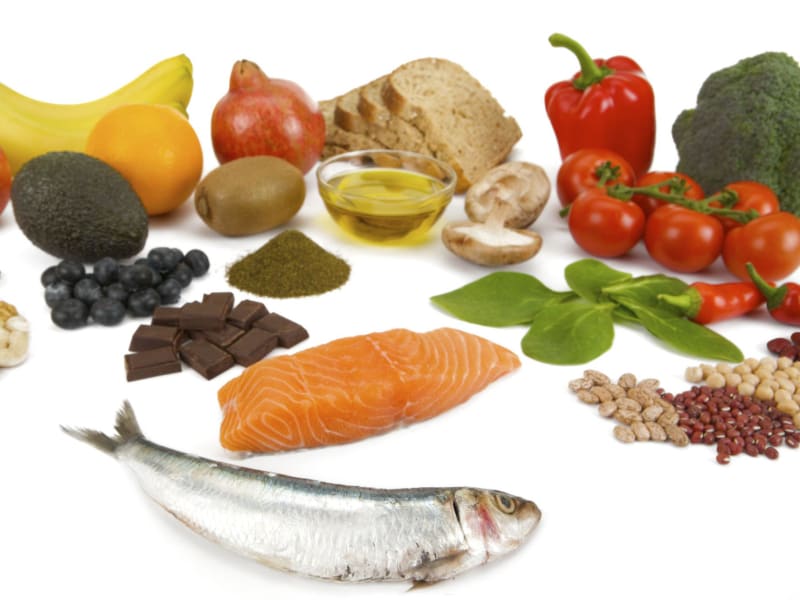
The superfood label is a marketing construct — but that doesn't mean all the foods wearing it are frauds. Some genuinely deserve the designation based on density of nutrients and breadth of evidence; others are expensive substitutes for far cheaper alternatives. Here's the honest breakdown.
April 14, 2026
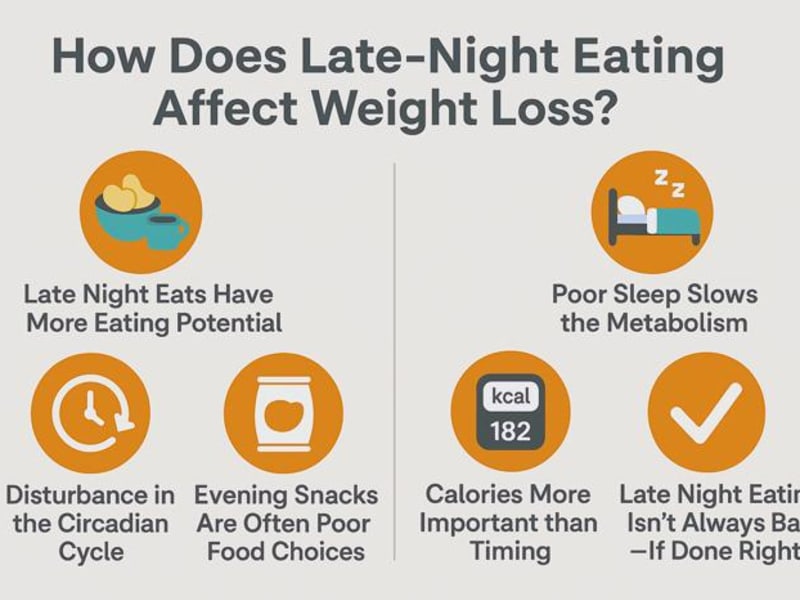
The belief that eating after 8pm automatically causes weight gain is pervasive — but the reality is more nuanced. Circadian biology, food choices, and total caloric intake all interact in ways that make the question far more interesting than a simple yes or no.
April 14, 2026
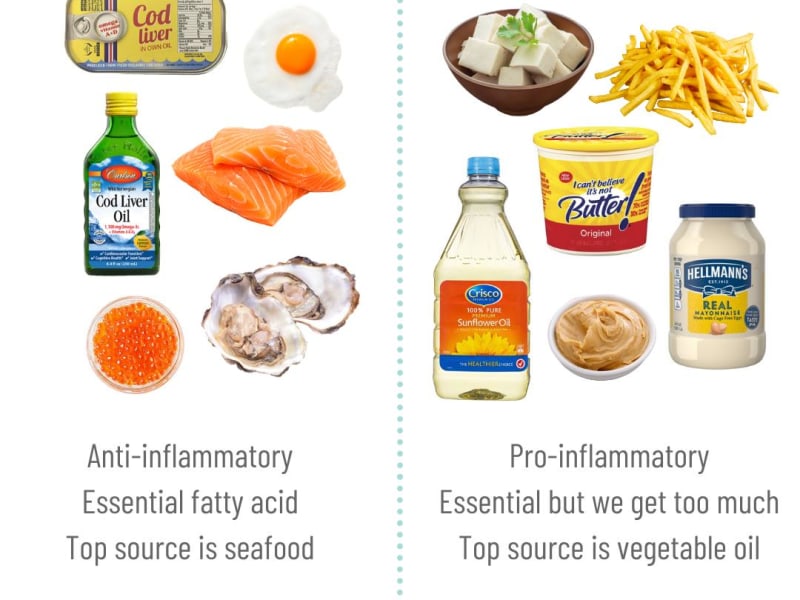
Your body needs both omega-3 and omega-6 fatty acids — but the ratio between them may be as important as their individual quantities. Modern diets have shifted this ratio dramatically, with serious implications for chronic disease and inflammation.
April 14, 2026