

Free Helpline
We are here to assist you.
Health Advisor
+91-8877772277Available 7 days a week
10:00 AM – 6:00 PM to support you with urgent concerns and guide you toward the right care.

We are here to assist you.
Health Advisor
+91-8877772277Available 7 days a week
10:00 AM – 6:00 PM to support you with urgent concerns and guide you toward the right care.
Learn how to prevent and treat ingrown hairs on your legs with practical tips on exfoliation, shaving techniques, and aftercare suitable for Indian readers.

Ingrown hair on the legs is a common concern, especially for individuals with curly or coarse hair. It occurs when a hair, after being shaved, waxed, or tweezed, grows back into the skin instead of out of the follicle. While usually not a serious medical issue, it can lead to discomfort, inflammation, and in some cases, chronic problems or scarring. This guide will delve into the causes, symptoms, and most importantly, practical prevention strategies tailored for Indian readers.
Several factors contribute to the development of ingrown hairs on the legs:
The symptoms of ingrown hair on the legs can vary but typically include:
Preventing ingrown hairs is key to maintaining smooth, comfortable skin. Here are some practical tips:
Regular exfoliation helps remove dead skin cells that can clog hair follicles. This is one of the most effective ways to prevent ingrown hairs.
If you shave your legs, adopting the right technique can make a significant difference:
If ingrown hairs are a persistent problem, explore other hair removal methods:
After removing hair from your legs, follow these steps:
While most ingrown hairs resolve on their own, seek medical advice if you experience any of the following:
A doctor, particularly a dermatologist, can offer treatments such as topical or oral antibiotics for infection, or prescription creams to help manage inflammation and prevent future ingrown hairs. In some cases, minor surgical removal of the trapped hair may be necessary.
Ingrown hairs on the legs can be a nuisance, but with the right approach to hair removal and skincare, they can be effectively managed and prevented. By incorporating regular exfoliation, adopting proper shaving techniques, and using appropriate aftercare products, you can enjoy smoother, healthier skin. Remember to listen to your body and consult a healthcare professional if you suspect an infection or have persistent issues.
This section adds practical context and preventive advice to help readers make informed healthcare decisions. It is important to verify symptoms early, consult qualified doctors, and avoid self-medication for persistent health issues.
Maintaining healthy routines, following prescribed treatment plans, and attending regular checkups can improve outcomes. If symptoms worsen or red-flag signs appear, immediate medical evaluation is recommended.
Track symptoms and duration.
Follow diagnosis and treatment from a licensed practitioner.
Review medication side effects with your doctor.
Seek urgent care for severe warning signs.

The superfood label is a marketing construct — but that doesn't mean all the foods wearing it are frauds. Some genuinely deserve the designation based on density of nutrients and breadth of evidence; others are expensive substitutes for far cheaper alternatives. Here's the honest breakdown.
April 14, 2026
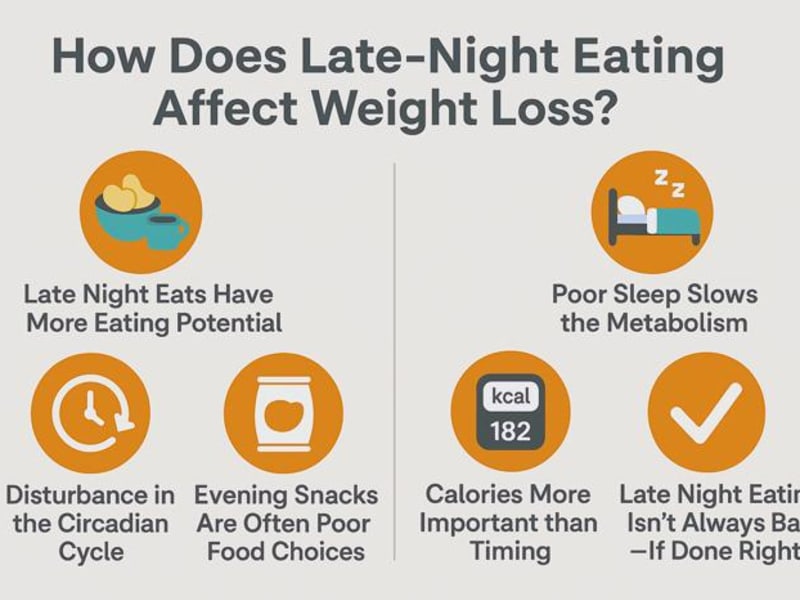
The belief that eating after 8pm automatically causes weight gain is pervasive — but the reality is more nuanced. Circadian biology, food choices, and total caloric intake all interact in ways that make the question far more interesting than a simple yes or no.
April 14, 2026

Your body needs both omega-3 and omega-6 fatty acids — but the ratio between them may be as important as their individual quantities. Modern diets have shifted this ratio dramatically, with serious implications for chronic disease and inflammation.
April 14, 2026