Understanding Tanning and Your Skin
Many people in India enjoy the look of tanned skin, often associated with holidays and a healthy glow. However, it's crucial to understand that tanning is your body's natural response to protect itself from harmful ultraviolet (UV) radiation from the sun. This protective mechanism involves the production of melanin, the pigment that gives your skin its colour. While a tan might seem appealing, prolonged and unprotected sun exposure carries significant risks, including premature aging and, more seriously, skin cancer. This guide aims to help you achieve a tan faster, thereby reducing the duration of sun exposure and minimising these risks, with specific considerations for Indian skin tones.
Why Do People Tan? The Role of Melanin
Melanin is a complex pigment produced by specialised cells called melanocytes. Its primary function is to absorb UV radiation, acting as a natural shield for your skin. When your skin is exposed to UV rays, melanocytes increase melanin production, leading to a darker skin tone – the tan. The amount of melanin in your skin varies greatly among individuals, influencing how quickly you tan and how susceptible you are to sunburn. People with darker skin tones, common in India, generally have more melanin and are less prone to burning but are still at risk of sun damage and skin cancer.
Risks Associated with Tanning
While the desire for tanned skin is common, it's essential to be aware of the associated dangers:
- Skin Cancer: Prolonged and excessive exposure to UV radiation is a primary cause of various skin cancers, including melanoma, basal cell carcinoma, and squamous cell carcinoma.
- Premature Aging: UV rays break down collagen and elastin in the skin, leading to wrinkles, fine lines, age spots, and a leathery texture.
- Sunburn: This is an immediate and painful reaction to overexposure, causing redness, blistering, and peeling.
- Eye Damage: UV rays can harm the eyes, increasing the risk of cataracts and other vision problems.
- Weakened Immune System: Excessive UV exposure can suppress the skin's immune function.
Tanning Beds vs. Sun Tanning
It's important to note that tanning beds and booths are not a safer alternative to sun tanning. In fact, they are often considered more dangerous. Tanning beds emit high levels of UVA and UVB radiation, which are classified as carcinogenic by the World Health Organization. They significantly increase the risk of skin cancer, especially when used from a young age.
Tips to Tan Faster Safely
The goal is to tan efficiently to minimise your time in the sun. Here are some practical tips:
1. Prepare Your Skin Beforehand
Exfoliation: A day or two before sun exposure, gently exfoliate your skin. This removes dead skin cells, allowing for a more even and deeper tan. You can use a body scrub or a loofah. Avoid harsh scrubbing on the day of tanning.
Moisturisation: Keep your skin well-hydrated. Dry skin can peel more easily, causing your tan to fade faster. Use a good moisturiser daily.
2. Choose the Right Time and Place
Timing: The sun's rays are strongest between 10 AM and 4 PM. While tanning during these hours can be faster, it also increases the risk of burning. Consider tanning in the late morning or late afternoon when the sun is less intense but still effective. Listen to your skin; if it starts to feel hot or uncomfortable, seek shade.
Location: Find a comfortable spot with good sun exposure. Ensure you can move around easily to change positions.
3. Use Sunscreen Wisely
SPF 30 or Higher: Contrary to popular belief, you should still use sunscreen when trying to tan faster. Opt for a broad-spectrum sunscreen with an SPF of at least 30. This protects your skin from the most harmful UV rays while still allowing you to tan. Apply it generously 15-20 minutes before sun exposure.
Reapplication: Reapply sunscreen every two hours, and immediately after swimming or excessive sweating, to maintain protection.
4. Hydration is Key
Drink Plenty of Water: Staying hydrated from the inside out is crucial. Drink ample water throughout the day, especially while sunbathing. Dehydration can make your skin more susceptible to damage and peeling.
5. Nourish Your Skin from Within
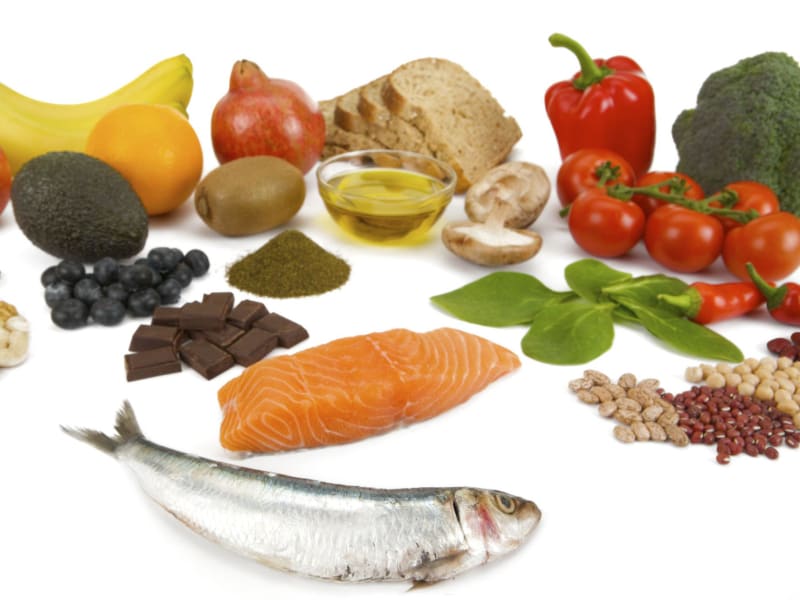
Lycopene-Rich Foods: Foods containing lycopene, an antioxidant, may offer some natural protection against UV damage. Include tomatoes, watermelon, guava, and papaya in your diet. Some studies suggest lycopene can help your skin develop a tan more evenly and reduce sensitivity to the sun.
Beta-Carotene: Foods rich in beta-carotene, like carrots, sweet potatoes, and kale, are also beneficial. Beta-carotene is converted to Vitamin A in the body and may help improve skin health and potentially reduce sun sensitivity. While more research is needed, incorporating these foods can contribute to overall skin health.
6. Tanning Oils and Lotions
Natural Oils: Some natural oils, like coconut oil, almond oil, or carrot seed oil, have a low natural SPF and can provide moisture. However, they should *never* replace your regular sunscreen. Use them as a supplement for added hydration and a potential boost to tanning, but always with sunscreen underneath.
Tanning Accelerators: Be cautious with products marketed as
Additional Medical Guidance
This section adds practical context and preventive advice to help readers make informed healthcare decisions. It is important to verify symptoms early, consult qualified doctors, and avoid self-medication for persistent health issues.
Maintaining healthy routines, following prescribed treatment plans, and attending regular checkups can improve outcomes. If symptoms worsen or red-flag signs appear, immediate medical evaluation is recommended.
Quick Checklist
Track symptoms and duration.
Follow diagnosis and treatment from a licensed practitioner.
Review medication side effects with your doctor.
Seek urgent care for severe warning signs.