

Free Helpline
We are here to assist you.
Health Advisor
+91-8877772277Available 7 days a week
10:00 AM – 6:00 PM to support you with urgent concerns and guide you toward the right care.

We are here to assist you.
Health Advisor
+91-8877772277Available 7 days a week
10:00 AM – 6:00 PM to support you with urgent concerns and guide you toward the right care.
Discover how long it takes to walk 10,000 steps, the factors influencing your pace, and practical tips to incorporate this daily fitness goal into your routine for better health and well-being. Learn about benefits, strategies, and FAQs.
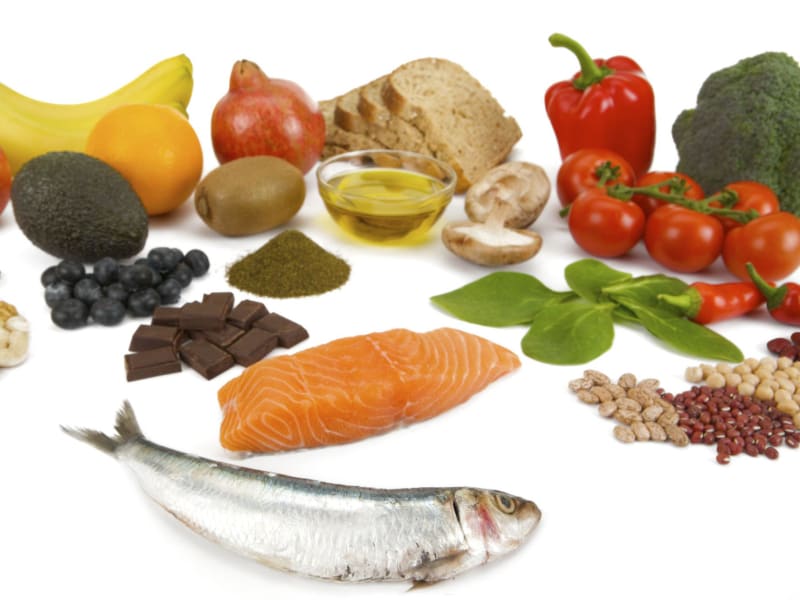
The superfood label is a marketing construct — but that doesn't mean all the foods wearing it are frauds. Some genuinely deserve the designation based on density of nutrients and breadth of evidence; others are expensive substitutes for far cheaper alternatives. Here's the honest breakdown.
April 14, 2026
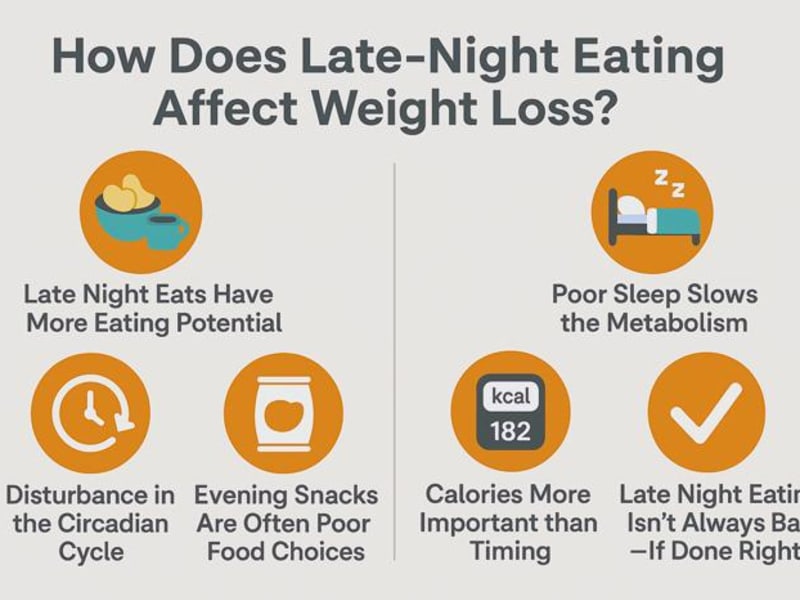
The belief that eating after 8pm automatically causes weight gain is pervasive — but the reality is more nuanced. Circadian biology, food choices, and total caloric intake all interact in ways that make the question far more interesting than a simple yes or no.
April 14, 2026

The 10,000-step goal has become a widely recognized benchmark for daily physical activity, often promoted by fitness trackers and health campaigns worldwide. It's a simple, measurable target that encourages people to move more and sit less. But for many, the question remains: how long does it actually take to walk 10,000 steps? The answer isn't as straightforward as a single number; it depends on a variety of factors unique to each individual. Understanding these variables can help you set realistic expectations, optimize your walking routine, and ultimately, achieve your fitness aspirations.
In this comprehensive guide, we'll delve into the origins of the 10,000-step recommendation, explore the key factors that influence the time it takes to hit this target, highlight the significant health benefits of consistent walking, and provide practical strategies to seamlessly integrate more steps into your daily life. Whether you're a seasoned walker or just starting your fitness journey, this article will equip you with the knowledge to make your 10,000-step goal a sustainable and rewarding part of your wellness routine.
The concept of walking 10,000 steps a day originated in Japan in the 1960s with the introduction of a pedometer called "Manpo-kei," which translates to "10,000 steps meter." While not initially based on extensive scientific research, this number gained popularity and has since been supported by numerous studies demonstrating the health benefits associated with increased physical activity.
On average, 10,000 steps translates to approximately 5 miles or 8 kilometers. This can vary slightly depending on an individual's stride length. For most adults, a mile is roughly 2,000 to 2,500 steps. The number of calories burned while achieving 10,000 steps also varies greatly based on body weight, walking speed, and terrain, but it typically ranges from 300 to 500 calories. This makes walking an excellent tool for weight management and overall metabolic health.
While 10,000 steps is a popular goal, it's important to note that even fewer steps can offer significant health benefits. Recent research suggests that substantial health improvements can be seen with as few as 4,000 to 7,000 steps daily, with benefits continuing to increase up to and beyond 10,000 steps. The key takeaway is consistent movement and gradually increasing your activity levels. The 10,000-step goal serves as an excellent, aspirational target to encourage a more active lifestyle.
As mentioned, there's no single answer to how long it takes to walk 10,000 steps. Several interconnected factors play a crucial role. Let's break them down:
This is arguably the most significant factor. Your speed directly dictates the time taken.
Your unique physical attributes also play a role:
Your surroundings and choices can also impact your step count time:
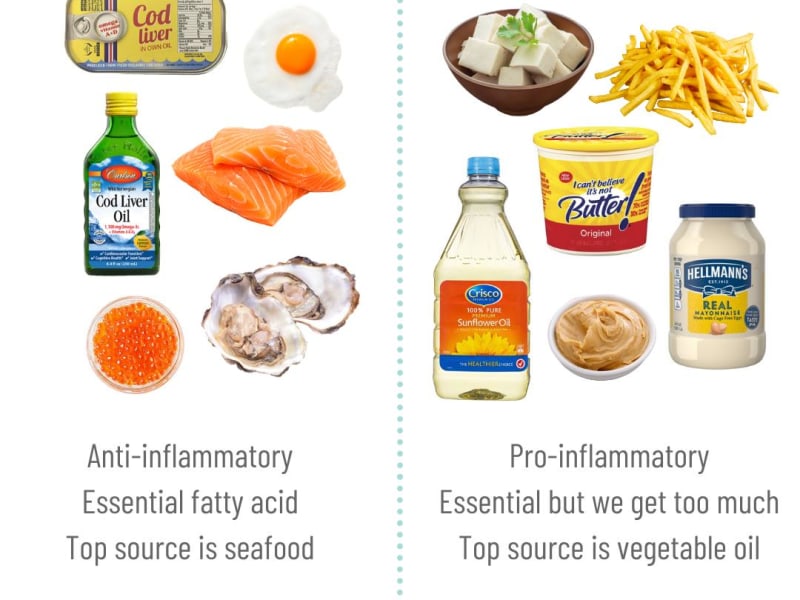
Your body needs both omega-3 and omega-6 fatty acids — but the ratio between them may be as important as their individual quantities. Modern diets have shifted this ratio dramatically, with serious implications for chronic disease and inflammation.
April 14, 2026