

Free Helpline
We are here to assist you.
Health Advisor
+91-8877772277Available 7 days a week
10:00 AM – 6:00 PM to support you with urgent concerns and guide you toward the right care.

We are here to assist you.
Health Advisor
+91-8877772277Available 7 days a week
10:00 AM – 6:00 PM to support you with urgent concerns and guide you toward the right care.
The level of ferritin represents the quantity of iron in your body. This manual gives normal ranges, low or high ferritin symptoms, causes and treatment.

This simplified medical guide will define levels of ferritin, normal range, low or high levels of ferritin, symptoms, and treatment.
Ferritin level is a vital indicator that is applied to estimate how much iron is stored in your body. It is diagnosed with a simple blood examination, and helps the doctors to be aware of your iron level. Lab levels of low and high ferritin can be indicators of other diseases. Your ferritin level is something that might help in early diagnosis and the right treatment.
Ferritin is an iron-storing protein that is released when your body requires it. It is very instrumental in ensuring healthy red blood cells.
The ferritin test is usually done in cases of suspicion of anaemia or iron overload.
Betrays iron storage in the body.
Helps in determining iron deficiency or overload.
Aids the provision of oxygen through the blood.
Of value to energy and good health, in general.
The ferritin level varies according to age, gender and health conditions. Reference ranges are used to interpret results by doctors.
Typical ranges:
Adult men: 30–400 ng/mL
Adult women: 15–150 ng/mL
Children: 7–140 ng/mL
There may be minor differences in values at the laboratories. Always seek a medical practitioner's explanation of findings.
The deficiency of iron is usually indicated by the low level of ferritin. When left unattended, it may lead to anaemia.
Common symptoms include:
Fatigue and wea
Pale skin
Shortness of breath
Dizziness or headaches
Hair loss
Cold hands and legs: Low ferritin may influence the functioning of the day and cannot be neglected.
This may be attributed to the reduced levels of ferritin, which might be a result of low intake of iron or excessive loss of iron.
Poor iron dietary intake.
Heavy menstrual bleeding
Constant loss of blood (e.g., ulcers)
Pregnancy
Malabsorption diseases (celiac disease, etc.) It is important to identify the cause to treat it accordingly.
The level of ferritin may increase, indicating excess iron or inflammation in the body.
Symptoms may include:
Joint pain
Fatigue
Abdominal pain
Liver issues
Skin darkening (in extreme cases)
In others, high ferritin is asymptomatic, and it is identified through screening.
High levels of ferritin may be a result of a number of medical conditions.
Common causes include:
Iron overload diseases (hemochromatosis)
Chronic inflammation or infection.
Liver disease
Excess iron supplementation
Certain metabolic conditions
Further tests are more often required to determine the exact cause.
It is treated depending on the low or high-ferritin levels and the cause.
For low ferritin:
A diet high in iron (leafy greens, meat, legumes)
Iron supplements (prescription)
Manage underlying causes of blood loss.
For high ferritin:
Lower the amount of iron in the body.
Treat underlying conditions
Therapeutic phlebotomy (elsewhere)
Never use medical advice improperly.
Balanced ferritin is the main characteristic of good health.
Have a balanced diet that contains iron.
Avoid unnecessary supplements
Visit hospitals regularly.
Manage predisposing conditions.
Keep up the gut health.
Ferritin level is one of the most important indicators of your health and storage of iron in the body. Both high and low can be indicators of some unaddressed problems.
Early testing, a healthy diet, and medical care can be employed in maintaining normal levels of ferritin and preventing complications.
1. What is the normal ferritin level?
Normal ranges are 30-400 ng/ml in men and 15-150 ng/ml in women.
2. Is severe low ferritin?
Yes, it may cause iron deficiency anaemia when unattended.
3. Is it possible to be dangerous with high ferritin?
Yes, it might be an indicator of iron overload or inflammation and it must be evaluated by a physician.
4. Ferritin testing?
It is a simple blood test that is measured.
Author: Doctar Team
Disclaimer: To know more about it contact Doctor on Doctar.

The superfood label is a marketing construct — but that doesn't mean all the foods wearing it are frauds. Some genuinely deserve the designation based on density of nutrients and breadth of evidence; others are expensive substitutes for far cheaper alternatives. Here's the honest breakdown.
April 14, 2026
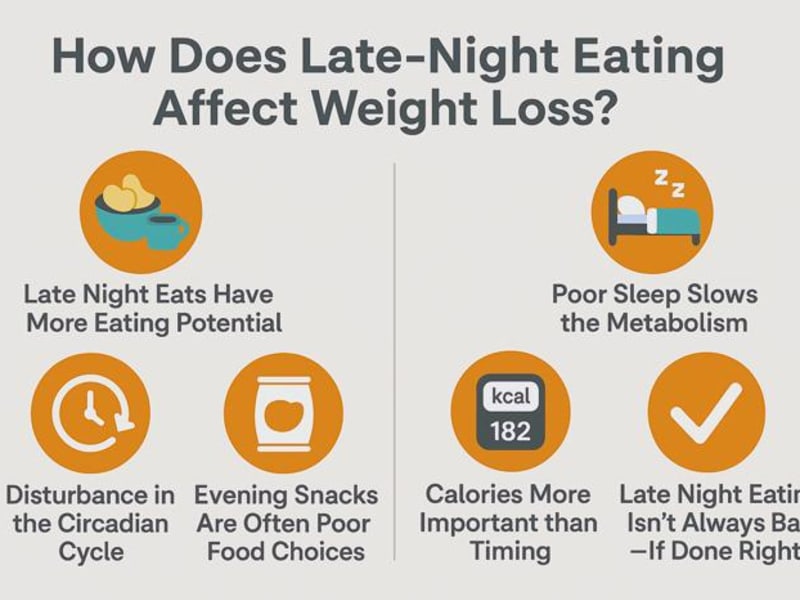
The belief that eating after 8pm automatically causes weight gain is pervasive — but the reality is more nuanced. Circadian biology, food choices, and total caloric intake all interact in ways that make the question far more interesting than a simple yes or no.
April 14, 2026
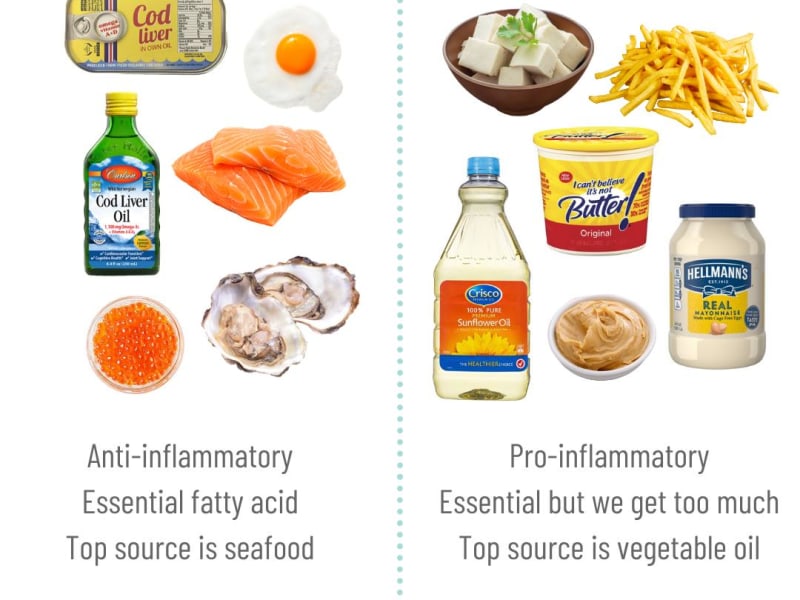
Your body needs both omega-3 and omega-6 fatty acids — but the ratio between them may be as important as their individual quantities. Modern diets have shifted this ratio dramatically, with serious implications for chronic disease and inflammation.
April 14, 2026