For too long, many of us have been chasing an elusive ideal of what it means to be “fit.” We’re bombarded with images and messages that promote a narrow definition of health, often a one-size-fits-all approach that simply doesn’t work for everyone. This journey is about breaking free from those external pressures and discovering what fitness truly means for you. It’s about cultivating a relationship with your body based on respect, strength, and self-love, not on societal expectations.
The Myth of the "Ideal" Body
Remember when you were a teenager, perhaps involved in dance, sports, or even just trying to navigate the confusing world of adolescence? The pressure to look a certain way can start incredibly early. For many, especially young women, the dance world presented an almost unattainable standard of beauty and fitness. This wasn’t just about being strong or healthy; it was about fitting a mold that, for many Black girls, was never designed with them in mind. This relentless pursuit of an external ideal can lead to unhealthy habits, a distorted body image, and a deep sense of inadequacy. It’s like trying to fit a square peg into a round hole – exhausting and ultimately unfulfilling.
The “freshman 15” is a well-known phenomenon, but it represents more than just weight gain. It’s often a symptom of stress, new environments, and a shift in lifestyle. For years, the habits formed during these times can persist. We might cycle through periods of intense workout routines, followed by periods of complete inactivity, driven more by guilt or fleeting motivation than by a sustainable approach to health. This inconsistency isn’t a failure on your part; it’s often a sign that the methods we’re using aren’t aligned with our genuine needs or lifestyle.
Understanding the Statistics and Disparities
It's essential to acknowledge the unique challenges faced by different communities. Statistics show that certain groups, like non-Hispanic Black adults, have a higher prevalence of obesity. What's particularly striking is that for Black women, this trend often persists regardless of income level. This isn't about personal failing; it's about systemic factors, access to resources, and societal pressures that disproportionately affect certain populations. Organizations like Black Girls Run emerged precisely to address this gap, creating supportive communities that encourage an active lifestyle within a familiar and understanding environment.
The past few years have amplified these challenges. The “quarantine 15” became a reality for many, a stark reminder of how stress impacts our physical and mental well-being. For Black, Indigenous, and People of Color (BIPOC), this stress is often compounded by the ongoing struggles with racism, health disparities, and economic inequality. In times of widespread societal upheaval, when many women are already navigating immense pressures in their careers and personal lives, prioritizing fitness can feel like an insurmountable task. It's a valid feeling, and it highlights the need for a more compassionate and holistic approach to health.
From External Standards to Internal Strength
The journey to a healthier relationship with fitness often begins with a painful realization: we’ve been trying to fit into someone else’s definition of perfect for too long. The obsession with mirrors, a habit often formed in youth, can become a source of anxiety rather than a tool for self-assessment. This can lead to destructive behaviors, such as purging to maintain a certain weight, especially when facing performances or auditions. This is not health; it’s a symptom of deep-seated insecurity fueled by external validation.
The dance world, with its historically rigid standards, is a prime example of how external pressures can warp our perception of fitness. When the “ideal” body isn’t representative of your own, it creates a profound sense of alienation. This feeling is shared by many Black women who have navigated fitness spaces that felt unwelcoming or exclusionary. Rejection, whether in career aspirations or social settings, can intensify this pressure. When combined with unattainable beauty standards, the result is a potent recipe for self-doubt and unhealthy coping mechanisms.
Binge eating and purging are often cycles driven by a desire for control in a life that feels chaotic. Enjoying food – whether it’s a healthy, home-cooked meal or a comforting treat – is a natural and healthy part of life. When food becomes a source of guilt or a battleground, it signals that something deeper needs attention. The urge to purge after eating, for instance, is not about weight management; it's a desperate attempt to regain control over a situation that feels overwhelming.
Building a Sustainable and Loving Fitness Routine
So, how do we shift from this cycle of external pressure and unhealthy habits to a sustainable, self-loving approach to fitness? It starts with acknowledging that fitness isn't just about physical appearance; it's about how you feel, your energy levels, your mental clarity, and your overall well-being. It's about building a body that feels strong and capable, one that can carry you through life's adventures.
Listen to Your Body
Your body sends signals. Are you tired? Are you stressed? Are you craving movement or rest? Instead of forcing yourself into a rigid routine, pay attention to these cues. Some days, a gentle yoga flow might be exactly what you need. Other days, you might have the energy for a vigorous workout. The key is flexibility and responsiveness.
Find Joy in Movement
What kind of movement do you genuinely enjoy? It doesn't have to be the gym or a dance class. It could be dancing in your living room, going for a brisk walk in nature, swimming, cycling, or playing a sport with friends. When you find activities that bring you joy, they stop feeling like a chore and start feeling like a reward.
Nourish, Don’t Deprive
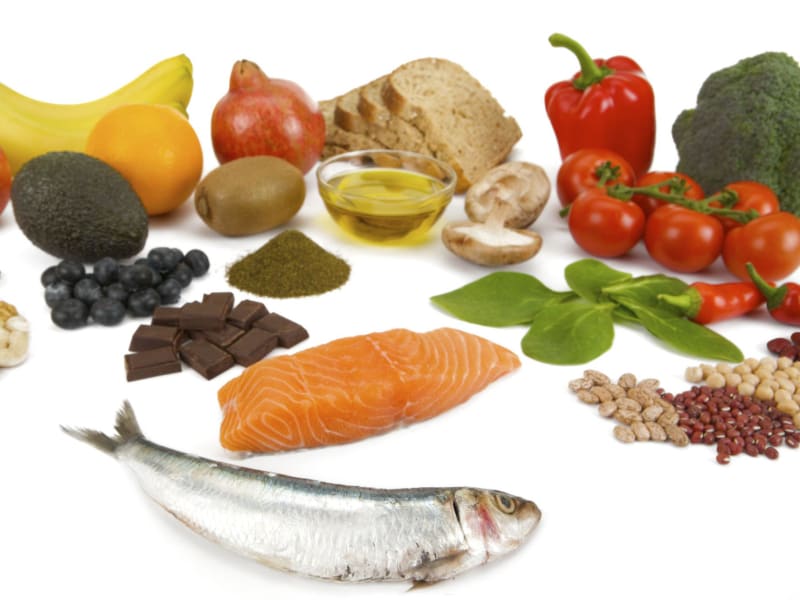
Shift your focus from restriction to nourishment. Enjoying food is a vital part of a healthy lifestyle. Explore different cuisines, experiment with healthy recipes, and savor every bite. If you have cravings, explore them mindfully. Sometimes, a craving is a signal for something your body needs, whether it’s a specific nutrient or simply a moment of comfort.
Community and Support
Connecting with others who share similar goals or experiences can be incredibly empowering. Whether it’s joining a running group, a yoga studio, or an online community, having a support system can provide motivation, accountability, and a sense of belonging. Remember groups like Black Girls Run, which created a space for shared experience and encouragement.
Mindfulness and Self-Compassion
Practice self-compassion. Be kind to yourself, especially on days when you don’t meet your own expectations. Fitness is a journey, not a destination. Celebrate small victories and acknowledge your progress. Mindfulness can help you stay present during your workouts and throughout your day, reducing anxiety and increasing self-awareness.
When to Seek Professional Guidance
While self-discovery is powerful, there are times when professional help is invaluable. If you struggle with disordered eating patterns, body image issues, or persistent feelings of inadequacy related to fitness, please reach out.
- Therapists and Counselors: Especially those specializing in body image, eating disorders, or trauma, can provide essential support.
- Registered Dietitians: Can help you develop a balanced and enjoyable eating plan that meets your nutritional needs without resorting to restrictive diets.
- Certified Personal Trainers: Can guide you in developing a safe and effective fitness routine tailored to your goals and abilities, focusing on strength and functional movement rather than just aesthetics.
Remember, true fitness is about building a healthy, resilient, and joyful life. It's about creating your own definition of what
Overall, early action and medically verified advice remain the safest approach.