

Free Helpline
We are here to assist you.
Health Advisor
+91-8877772277Available 7 days a week
10:00 AM – 6:00 PM to support you with urgent concerns and guide you toward the right care.

We are here to assist you.
Health Advisor
+91-8877772277Available 7 days a week
10:00 AM – 6:00 PM to support you with urgent concerns and guide you toward the right care.
Discover practical tips and expert advice to prevent and manage chafing during your runs. Learn about the right clothing, lubricants, and techniques to keep your skin comfortable and enjoy your workout.

The thrill of a good run, the wind in your hair, the rhythm of your feet pounding the pavement – it’s an exhilarating experience! But for many runners, especially in India where the climate can be unforgivingly hot and humid, a dreaded foe often crashes the party: chafing. That stinging, burning sensation isn't just uncomfortable; it can leave you sidelined, dreading your next outing. We’ve all been there, right? That raw patch on your inner thighs, the irritated skin under your sports bra, or the dreaded ‘jogger’s nipple’. It’s enough to make even the most dedicated runner want to hang up their shoes. But fear not! Chafing doesn't have to be an inevitable part of your running journey. With the right knowledge and a few smart strategies, you can keep that painful friction at bay and enjoy every stride. Let’s dive into how you can protect your skin and keep running comfortably, no matter the weather.
Before we tackle the solutions, let’s get a clear picture of our adversary. Chafing occurs when your skin rubs against fabric, or when skin rubs against skin. This repeated friction, especially when combined with heat and moisture, causes the outermost layer of your skin to break down. Think of it like a blister, but often more widespread and intensely painful. In a small study conducted in 2014, a staggering 42% of road runners reported experiencing chafing, making it the second most common running issue after blisters. It’s incredibly common, but that doesn’t mean it’s normal or that you have to endure it!
Running is a dynamic activity. Your body heats up, you sweat profusely, and there’s constant motion. This combination is a perfect storm for chafing:
These factors can lead to that familiar burning sensation, redness, rawness, and sometimes even bleeding. The discomfort can linger for days, affecting not just your running but your daily activities too.
It’s important to recognize the early warning signs so you can address them before they become severe. Look out for:
These symptoms typically appear on areas that experience a lot of rubbing, such as the inner thighs, underarms, nipples, and the areas where your sports bra or clothing seams lie.
The good news is that chafing is largely preventable. It’s all about being proactive and smart with your gear, your body, and your running environment. Here are seven effective strategies:
This is perhaps the most critical step. Every piece of your running attire should fit your body snugly but comfortably. It shouldn’t restrict your movement, but it must be close enough to your skin to prevent excessive sliding. Think of it as a second skin. If your clothes are too loose, they can bunch up and create friction points. For those with larger chests, a well-fitting sports bra with encapsulated cups is essential. It needs to hold everything steady. Any movement can lead to painful rubbing, often called ‘jogger’s nipple’ – a very real and painful friction burn.
The material of your running gear is just as vital as the fit. Certain fabrics are notorious chafing culprits. Avoid materials like denim and cotton, especially for longer runs. Why? They absorb moisture like a sponge, becoming heavy and clinging uncomfortably to your skin. This retained moisture intensifies the friction. Instead, opt for high-performance, moisture-wicking fabrics. These materials are designed to draw sweat away from your skin, keeping you drier and cooler. Look for synthetics like polyester, nylon, and spandex blends. Many brands now offer excellent moisture-wicking options perfect for Indian conditions.
Those little seams on your running clothes can become major irritants. When combined with sweat, they can rub and chafe relentlessly. When shopping for running gear, pay attention to the seams. Look for clothes with flatlock seams. These lie flat against the fabric, minimizing the chance of irritation. If you’re particularly sensitive, you might even consider cutting off tags from your clothing, as these can also cause itching and chafing.
Sometimes, even with the best-fitting, moisture-wicking clothes, friction can still occur, especially in areas where skin rubs against skin (like your inner thighs) or in particularly sensitive spots. This is where lubricants come in handy! Before your run, apply a generous amount of anti-chafing balm, petroleum jelly, or a specialized running lubricant to areas prone to chafing. Think inner thighs, underarms, nipples, and bra lines. This creates a slippery barrier that reduces friction, allowing your skin to glide rather than rub.
For areas that are particularly vulnerable, adding an extra layer of protection can make all the difference. For nipples, simple bandages or sports tape can provide effective coverage. For your inner thighs, consider wearing longer running shorts or capris that prevent skin-on-skin contact. Some runners even opt for compression shorts or leggings worn under their regular running shorts. The goal is to ensure that any friction happens between fabric layers, not directly on your skin.
While chafing can happen in any weather, extreme heat and humidity significantly increase the risk. If the heat index is soaring (think above 37°C or 98.6°F) and humidity is high (above 70%), it’s wise to reconsider your outdoor run. Opt for an indoor workout, hit the treadmill, or choose a cooler part of the day to run. Staying well-hydrated is also important, not just for performance but for overall skin health.
If chafing does occur, prompt and proper care is essential for healing and preventing future issues. Gently cleanse the affected area with cool water and mild soap. Pat the skin dry carefully – don’t rub. Apply a soothing ointment or balm, like one containing aloe vera or a healing cream, to aid in recovery. For severe cases, seek medical advice.
While most chafing cases are minor and can be managed at home, there are times when you need professional medical attention. Consult a doctor if you experience any of the following:
Your doctor can assess the severity, rule out other skin conditions, and prescribe appropriate treatment.
No, it’s strongly advised against. Cotton absorbs moisture and stays wet, increasing friction and the likelihood of chafing. Always opt for moisture-wicking synthetic fabrics.
Apply it before every run, especially on longer distances or in hot, humid conditions. You might need to reapply during very long runs if you notice any discomfort.
Yes, absolutely. High humidity combined with heat makes sweat less evaporative, increasing moisture on your skin and exacerbating friction.
This is a common issue known as ‘jogger’s nipple’. Use nipple guards, bandages, or sports tape before your run. Ensure your sports bra fits well and provides adequate support.
Don’t let chafing steal your running joy! By understanding its causes and implementing these practical prevention tips, you can enjoy your runs more comfortably and consistently. Happy running!

The superfood label is a marketing construct — but that doesn't mean all the foods wearing it are frauds. Some genuinely deserve the designation based on density of nutrients and breadth of evidence; others are expensive substitutes for far cheaper alternatives. Here's the honest breakdown.
April 14, 2026
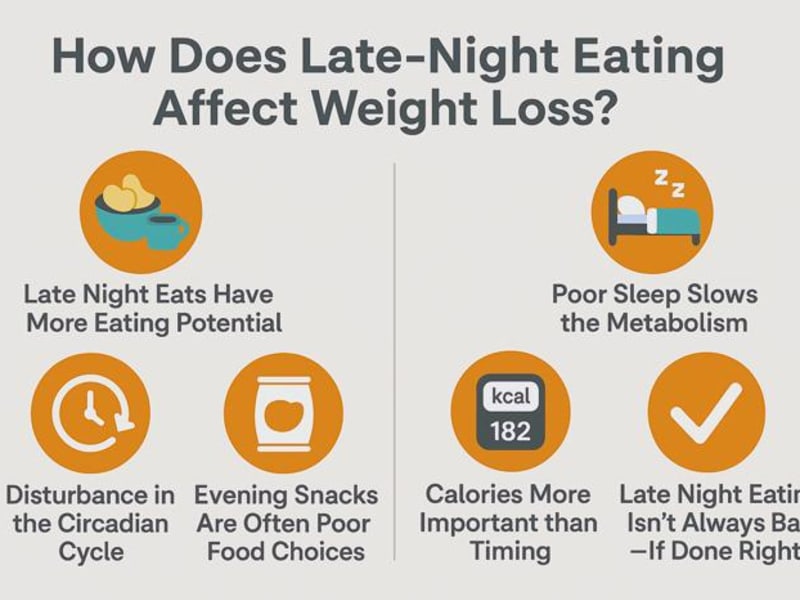
The belief that eating after 8pm automatically causes weight gain is pervasive — but the reality is more nuanced. Circadian biology, food choices, and total caloric intake all interact in ways that make the question far more interesting than a simple yes or no.
April 14, 2026
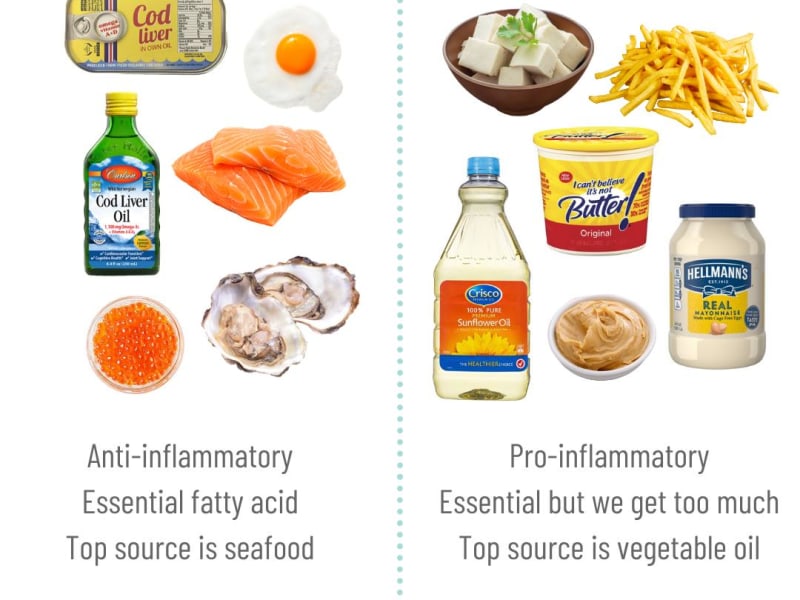
Your body needs both omega-3 and omega-6 fatty acids — but the ratio between them may be as important as their individual quantities. Modern diets have shifted this ratio dramatically, with serious implications for chronic disease and inflammation.
April 14, 2026