

Free Helpline
We are here to assist you.
Health Advisor
+91-8877772277Available 7 days a week
10:00 AM – 6:00 PM to support you with urgent concerns and guide you toward the right care.

We are here to assist you.
Health Advisor
+91-8877772277Available 7 days a week
10:00 AM – 6:00 PM to support you with urgent concerns and guide you toward the right care.
Explore the science behind veiny arms! Understand the factors like fitness, body fat, genetics, and age that contribute to vascularity. Learn safe ways to enhance vein visibility through exercise and diet, and know when to consult a doctor.

Understanding Veiny Arms: More Than Just a Fitness Fad Have you ever looked at someone with prominently veined arms and wondered if it’s a sure sign of peak physical condition? While veiny arms, often referred to as vascularity in fitness circles, are frequently associated with bodybuilding and intense training, the reality is a bit more nuanced. It’s true that many athletes and fitness enthusiasts develop more visible veins, but this doesn’t mean everyone with prominent veins is a super-athlete, nor does it mean that everyone who is fit will have them. Let’s explore what causes veins to become more noticeable and what you can safely do if you’re aiming for that sculpted look. What Makes Arm Veins Pop? Several factors contribute to how visible your veins are. It’s not just about how much time you spend in the gym; your body’s natural characteristics play a significant role too. 1. Exercise and Blood Flow When you exercise, especially with high intensity, your muscles need more oxygen and nutrients. Your heart pumps faster to deliver this, and your blood pressure rises. This increased blood flow causes your veins to dilate, or widen, making them push closer to the surface of your skin. Think of it like a river swelling during a heavy rain – more water means a bigger flow and a more prominent presence. During a strenuous workout, say lifting weights, your biceps and triceps are working hard. The demand for blood increases dramatically. This surge in blood volume and pressure directly impacts the veins in your arms, making them swell and become more visible. This effect is usually temporary and most noticeable during and immediately after your exercise session. 2. Low Body Fat Percentage Beneath your skin lies a layer of subcutaneous fat. If this layer is thin, your muscles and the veins beneath them will appear more defined. Bodybuilders often strive for very low body fat percentages to showcase their muscle definition and vascularity. When there’s less fat covering them, veins naturally stand out more. Imagine trying to see intricate patterns on a carpet that’s covered by a thick rug. You can’t see the details. However, if you remove the rug, the patterns become clear. Similarly, a lower body fat percentage acts like removing that rug, allowing the underlying structures like muscles and veins to be seen more clearly. 3. Muscle Mass Larger, more developed muscles can also contribute to more prominent veins. As your muscles grow, they require a greater blood supply. This increased demand can lead to larger veins that are more visible, even when you’re not actively exercising. The veins essentially grow to meet the increased metabolic needs of your developed muscles. 4. Genetics and Natural Vascularity Some individuals are simply born with a genetic predisposition for more visible veins. This can be due to factors like the natural thickness of their skin, the size and placement of their veins, or how their circulatory system is structured. You might know someone who has always had noticeable veins, even without being a dedicated gym-goer. That’s often genetics at play. 5. Age As we age, our skin naturally becomes thinner and loses some of its elasticity. The valves within our veins, which help blood flow in one direction, can also weaken over time. This combination can lead to veins appearing larger and more prominent, especially in older adults. It’s a natural part of the aging process for many people. 6. Hormonal Factors and Stress Stress can trigger the release of hormones like cortisol. Elevated cortisol levels can affect your body in various ways, including potentially increasing vascularity. Another hormone, aldosterone, can cause your body to retain water and sodium, which can increase blood pressure and make veins appear more swollen. Consider a scenario where you’re facing a tight deadline at work. The stress might make your heart pound a little faster, and your body releases stress hormones. While you might not notice your veins bulging at your desk, these physiological responses are your body’s way of preparing for action, and they can influence vascularity. How to Safely Enhance Arm Vein Visibility If you’re interested in making your arm veins more prominent, there are several safe and effective strategies you can employ. Remember, the goal is to improve your overall health and fitness, with enhanced vascularity as a potential byproduct. 1. Strength Training to Build Muscle Consistent and targeted strength training is key to building muscle mass. Focus on exercises that engage your biceps, triceps, and forearm muscles. Aim for workouts that involve lifting heavier weights for fewer repetitions (e.g., 6-12 reps per set) with adequate rest periods between sets. Incorporating exercises where you lift weights overhead can particularly enhance arm vascularity. Sample Workout Focus: Biceps: Barbell curls, hammer curls, concentration curls. Triceps: Close-grip bench press, overhead triceps extensions, dips. Forearms: Wrist curls, reverse wrist curls, farmer’s walks. When performing these exercises, focus on controlled movements and progressively increasing the weight or resistance as you get stronger. This consistent challenge signals your muscles to adapt and grow. 2. Reducing Body Fat Through Cardio and Diet To make veins more visible, you need to reduce the layer of subcutaneous fat. This is achieved through a combination of cardiovascular exercise and a balanced, calorie-controlled diet. Regular cardio sessions, such as running, cycling, or swimming, help burn calories and improve your overall body composition. Pair this with a diet that focuses on whole, unprocessed foods and a slight caloric deficit. Practical Diet Tip: Instead of sugary drinks, opt for water. Swap white bread for whole wheat. Increase your intake of lean proteins and vegetables. Small, consistent changes in your eating habits can make a significant difference over time. 3. Staying Hydrated Proper hydration is essential for overall health and can also influence the appearance of your veins. When you’re well-hydrated, your blood volume increases, which can make your veins appear fuller and more prominent. Aim to drink plenty of water throughout the day, especially before, during, and after workouts. 4. Blood Flow Restriction Training (BFRT) BFRT involves using a cuff or band to partially restrict blood flow to a limb during exercise. This method can increase vascularity and allow you to build muscle and strength with lighter weights. It forces your muscles to work harder under slightly different conditions, promoting adaptations that can enhance vein visibility. However, BFRT should be performed with caution and ideally under the guidance of a qualified fitness professional or healthcare provider to ensure safety. Important Note: If you have any pre-existing health conditions, particularly related to blood pressure or circulation, consult your doctor before trying BFRT. When to Be Cautious or Consult a Doctor While veiny arms are often a sign of fitness, there are times when you should pay closer attention and seek medical advice. 1. Sudden or Painful Vein Changes If you notice veins suddenly becoming very prominent, painful, swollen, or changing color, it’s important to consult a doctor. These could be signs of a more serious underlying condition such as a blood clot (deep vein thrombosis or DVT), phlebitis (inflammation of a vein), or other circulatory issues. 2. High Blood Pressure If you have unmanaged high blood pressure, be cautious during intense exercise. The rise in blood pressure can put extra strain on your circulatory system. It’s essential to manage your blood pressure effectively through medication, diet, and lifestyle changes under medical supervision. 3. Varicose Veins While not directly related to fitness vascularity, if you have concerns about varicose veins or spider veins, a healthcare professional can provide diagnosis and treatment options. Frequently Asked Questions (FAQ) Q1: Are veiny arms always a sign of being healthy and fit? A1: Not necessarily. While fitness can enhance vascularity, genetics, age, body fat percentage, and even temporary factors like hydration and heat can influence vein visibility. Some very fit individuals may not have prominent veins, and some people naturally have more visible veins without being particularly athletic. Q2: Can I get veiny arms if I don’t want to lift heavy weights? A2: You can still enhance vascularity through consistent cardiovascular exercise, maintaining a low body fat percentage, and staying well-hydrated. While heavy lifting is a direct way to build muscle and increase vein prominence, overall fitness and body composition play a significant role. Q3: Is it safe to try and make my veins more prominent? A3: Generally, yes, if done through healthy lifestyle choices like exercise and diet. However, avoid extreme measures. If you have any health concerns, especially regarding blood pressure or circulation, always consult your doctor before embarking on new fitness routines or making significant lifestyle changes. Q4: Do veiny arms mean I have good blood circulation? A4: Visible veins during exercise are often a sign of good blood flow to the working muscles. However, the overall health and efficiency of your circulation involve many factors beyond just vein visibility. If you have concerns about your circulation, discuss them with your doctor. The Takeaway: Focus on Health, Not Just Appearance Prominent veins can be an
In summary, timely diagnosis, evidence-based treatment, and prevention-focused care improve long-term health outcomes.
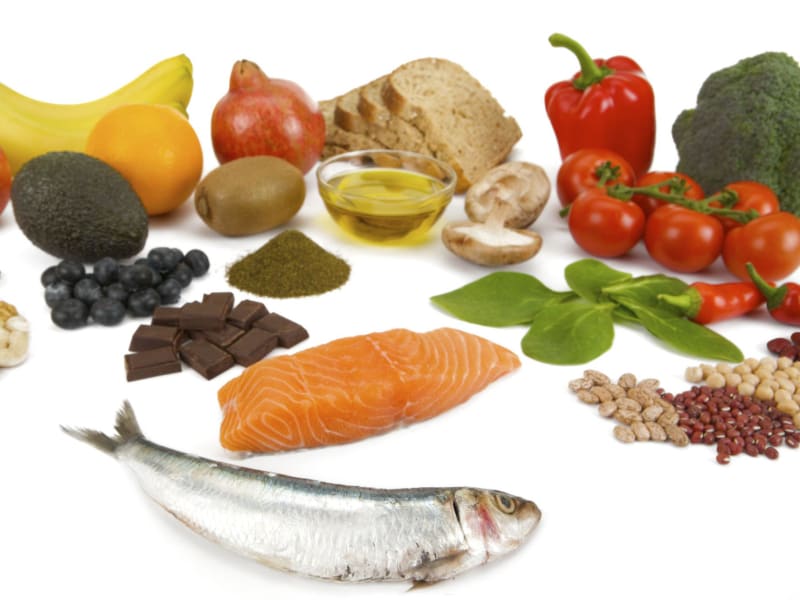
The superfood label is a marketing construct — but that doesn't mean all the foods wearing it are frauds. Some genuinely deserve the designation based on density of nutrients and breadth of evidence; others are expensive substitutes for far cheaper alternatives. Here's the honest breakdown.
April 14, 2026
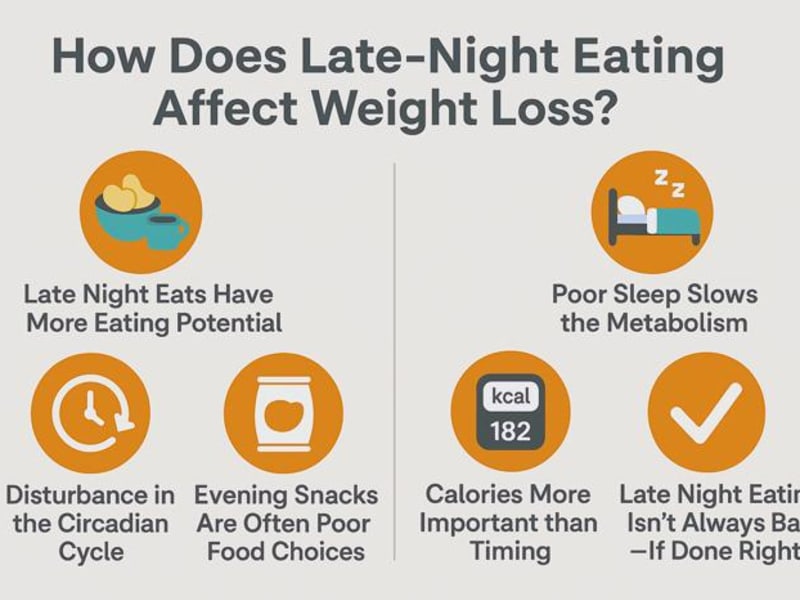
The belief that eating after 8pm automatically causes weight gain is pervasive — but the reality is more nuanced. Circadian biology, food choices, and total caloric intake all interact in ways that make the question far more interesting than a simple yes or no.
April 14, 2026
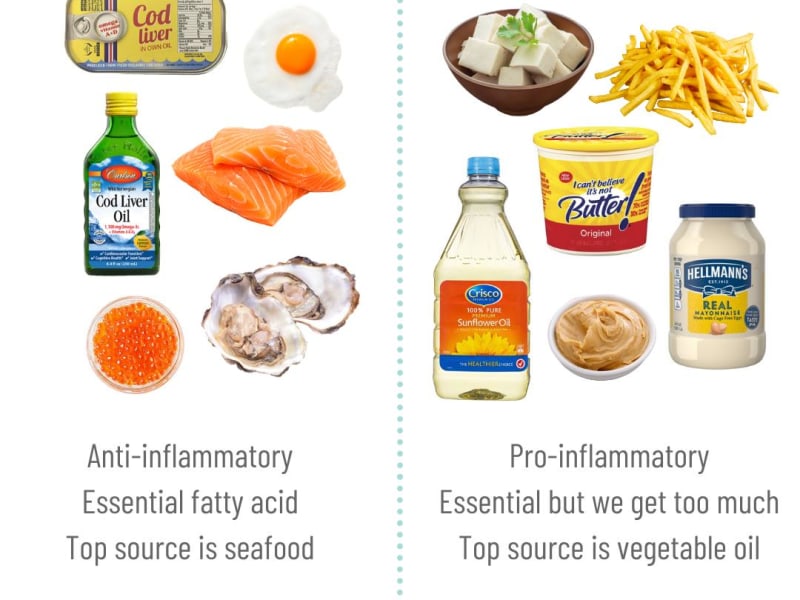
Your body needs both omega-3 and omega-6 fatty acids — but the ratio between them may be as important as their individual quantities. Modern diets have shifted this ratio dramatically, with serious implications for chronic disease and inflammation.
April 14, 2026